
King Charles Paid £12.9M in Taxes for 2024-25 - Historic Disclosure
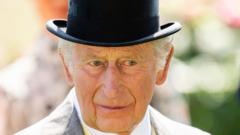
King Charles makes historic disclosure of £12.9M tax payment, becoming the first British monarch to publicly reveal financial records and rank among UK's top 10...
Historic Tax Transparency: King Charles Breaks Royal Tradition
In an unprecedented move, King Charles tax payment for the 2024-25 fiscal year has been officially disclosed, revealing a substantial contribution of £12.9 million to the UK treasury. This landmark decision represents the first time in British history that a reigning monarch has voluntarily published their personal tax records, establishing a new standard for royal financial accountability.
The King's tax payment places him firmly among the UK's elite contributors, ranking within the nation's top 100 taxpayers. This disclosure demonstrates a commitment to financial transparency that extends beyond conventional royal practices and aligns with modern expectations regarding public accountability.
Breaking Precedent: The First Monarch to Disclose Tax Records
The initiative undertaken by King Charles fundamentally reshapes how the British royal family approaches financial transparency. Historically, monarchs have maintained privacy regarding their personal finances, relying on constitutional protections and established conventions. However, the current King has chosen to diverge from this tradition, recognizing the importance of demonstrating fiscal responsibility to the nation.
This decision reflects broader conversations about institutional transparency and public trust. By voluntarily revealing his tax contributions, King Charles sends a powerful message about the royal family's willingness to embrace contemporary standards of financial disclosure. The move resonates particularly strongly given increasing public scrutiny regarding government spending and elite financial practices.
Financial Significance and Ranking
The £12.9 million tax payment positions King Charles within an exclusive group of Britain's highest individual taxpayers. This figure underscores the substantial financial resources associated with the Crown and highlights the considerable tax burden borne by the monarch himself. Ranked among the top 100 UK taxpayers, the King's contribution represents a significant portion of government revenue.
Understanding the context of this payment requires recognizing the sources of royal income, which include the Duchy of Cornwall, official state expenditures, and personal investments. The disclosed amount demonstrates how, like other high-net-worth individuals, the monarch contributes meaningfully to the public finances supporting essential services and infrastructure across the United Kingdom.
Implications for Royal Financial Accountability
The disclosure of King Charles tax payment establishes important precedent regarding royal financial practices. This transparency initiative may influence expectations for other members of the royal family and similar institutions worldwide. By openly sharing tax information, the monarchy demonstrates alignment with contemporary democratic values emphasizing accountability and fiscal responsibility.
The move also addresses historical criticisms regarding institutional privilege and financial opacity. Royal institutions have occasionally faced scrutiny over their financial arrangements, exemptions, and spending patterns. By proactively publishing tax records, King Charles addresses these concerns and reinforces the Crown's commitment to operating within established legal and financial frameworks.
Setting Standards for Modern Monarchy
This unprecedented disclosure reflects evolving perspectives on what modern monarchy entails. Rather than relying solely on traditional conventions and constitutional protections, King Charles recognizes that contemporary institutions—including the royal family—benefit from demonstrating financial transparency and contributing visibly to national coffers.
The publication of the King's tax payment represents more than a single financial transaction; it embodies a philosophical shift toward institutional openness. This approach strengthens public confidence in the monarchy and demonstrates that the Crown takes its financial obligations seriously, paying proportionally substantial taxes like other successful British enterprises and individuals.
Future Outlook and Royal Financial Practices
The significance of this disclosure extends beyond immediate financial figures, suggesting potential changes in how royal finances are communicated going forward. The precedent established by King Charles may reshape public expectations regarding transparency from other public institutions and prominent figures.
As the monarchy continues evolving to meet contemporary expectations, initiatives like voluntary tax disclosure demonstrate institutional adaptability. This proactive approach to financial transparency positions the Crown as responsive to modern governance standards while maintaining its constitutional role and historical significance within British society.


