
Israeli Military Reports Two Hezbollah Operatives Killed in Lebanon Operation
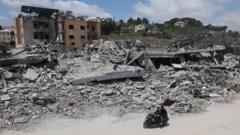
Israeli troops conduct military operation in south Lebanon, killing two individuals identified as Hezbollah operatives amid ceasefire tensions and accusations o...
Israeli Military Operation Ends Period of Relative Calm
The Israeli military has reported the killing of two individuals it identified as Hezbollah operatives during an operation conducted in southern Lebanon, marking a significant escalation following a period of relative quiet in the region. The Israeli military Lebanon operation represents a critical moment in the ongoing tensions between the two sides, as authorities provide differing accounts of the incident and its implications for fragile peace negotiations.
According to Israeli military statements, the two men engaged in the operation were confirmed members of the Iran-backed militant group. However, Hezbollah has swiftly disputed this characterization, leveling accusations that Israel has violated the terms of the existing ceasefire agreement that had brought relative stability to the border region.
Diverging Accounts of the Incident
The conflicting narratives surrounding the military engagement highlight the deep mistrust between the two adversaries. Israeli officials maintained that their forces acted within the scope of legitimate military operations targeting identified threats to national security. The statement emphasized that the operation targeted individuals engaged in activities that posed direct risks to Israeli civilians and military personnel stationed near the Lebanese border.
Conversely, Hezbollah representatives issued statements characterizing the action as an unprovoked military incursion that violated the terms of the ceasefire arrangement. The Iran-backed group argued that the operation represented a flagrant breach of the understanding that had halted previous rounds of intense fighting between the two sides. This accusation has significant implications for the broader stability of the region and the sustainability of the current pause in hostilities.
Context of Regional Tensions and Ceasefire Fragility
The incident occurs within a broader context of longstanding hostilities between Israel and Hezbollah, an organization that maintains strong ties to Iran and operates as both a political and military force in Lebanon. The period of relative calm that preceded this operation had been viewed by some analysts as a tentative step toward de-escalation, though underlying tensions have remained high throughout the region.
South Lebanon has long served as a focal point for Israeli security concerns and Hezbollah operations. The border area has witnessed periodic clashes and military engagements over the past several years, with civilian populations caught between the two sides' strategic interests. The operation reported by Israeli authorities represents a resumption of active military engagement in this sensitive geographic zone.
International Implications and Ceasefire Sustainability
The reported killing of the two alleged Hezbollah operatives raises serious questions about the long-term viability of the ceasefire arrangement. International observers and regional analysts have expressed concern that such incidents could quickly unravel the fragile peace that had begun to take hold. The interpretation of what constitutes a ceasefire violation remains contested between the parties, with each side maintaining that its actions fall within permissible boundaries.
The disagreement over this single incident exemplifies the broader challenge of maintaining sustainable peace agreements in the Middle East, where competing claims of sovereignty, security needs, and historical grievances create persistent obstacles to lasting stability. Both Israel and Hezbollah maintain that their actions are defensive in nature and necessary for protecting their respective interests and populations.
Humanitarian Concerns and Civilian Impact
Military operations in southern Lebanon carry significant implications for civilian populations living in the region. Previous periods of escalation have resulted in substantial displacement, infrastructure damage, and loss of civilian life. The resumption of Israeli military activities in Lebanon raises humanitarian concerns from international organizations monitoring the situation.
The local population in southern Lebanon has experienced the cyclical nature of violence and relative peace multiple times over recent decades. Each military operation, regardless of its stated military objectives, carries the potential to destabilize civilian life and provoke broader regional reactions.
Looking Forward: Prospects for De-escalation
The current situation underscores the precarious nature of the existing ceasefire and the continued need for diplomatic engagement to prevent further escalation. International mediators and regional stakeholders will likely intensify efforts to clarify the terms of the ceasefire arrangement and prevent the incident from triggering a broader cycle of retaliation and counter-retaliation.
The coming days and weeks will be critical in determining whether this incident represents an isolated operation or signals the beginning of renewed large-scale military confrontation between Israel and Hezbollah. Both diplomatic channels and military postures will be monitored closely by international observers and neighboring countries concerned about broader regional security implications.


