
Infantino Brushes Off European Backlash Over Trump Intervention
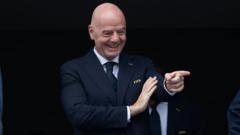
Gianni Infantino remains unfazed by European criticism regarding Trump intervention. Discover why the FIFA president's position stays solid despite mounting con...
The Trump Intervention and European Discontent
The Trump intervention in international football governance has sparked considerable outrage across Europe, yet FIFA president Gianni Infantino appears largely unperturbed by the mounting criticism. After a decade steering the world's governing body for soccer, Infantino has weathered numerous storms, and the current Trump intervention controversy seems unlikely to dislodge him from his position of power.
Infantino's Decade of Resilience
Since assuming the presidency a decade ago, Gianni Infantino has demonstrated remarkable political acumen and an ability to consolidate support despite periodic controversies. His tenure has been marked by significant transformations within FIFA, including expanded tournament formats and increased commercial partnerships. This extended period in office has allowed him to build a formidable network of supporters across multiple continents, making any serious challenge to his authority exceptionally difficult to mount.
European Voices Against the Intervention
European football federations and officials have been particularly vocal in their opposition to what they perceive as political meddling in football affairs. The Trump intervention represents, in their view, an unwelcome incursion of executive politics into sport. These concerns, while legitimate, lack the unified muscle required to translate dissatisfaction into institutional change. Europe's fractured political landscape within FIFA means that coordinated opposition remains challenging to organize effectively.
The Folarin Balogun Precedent
The Folarin Balogun controversy has been cited as a potential turning point that could shift opinion against Infantino's leadership. However, despite the emotional resonance of this particular issue, it appears insufficient as a catalyst for removing an entrenched president. The controversy highlights tensions within international football governance but has not galvanized the level of unified opposition necessary to challenge Infantino's control of FIFA's institutional machinery.
Why Infantino's Position Remains Secure
Several factors contribute to Infantino's continued security in his presidential role. First, he maintains strong support from non-European confederations, particularly from African, Asian, and South American federations that hold significant voting power. Second, his administration has overseen substantial financial growth for FIFA, which translates into resources for member associations worldwide. Third, any attempt to remove him would require navigating complex constitutional procedures that inherently favor incumbents.
The Limits of European Influence
While Europe commands considerable influence within international football, it does not possess unilateral power to reshape FIFA's leadership. The voting structure of FIFA's Congress means that European confederations, despite their collective importance, represent only one portion of the global football family. This distributing of power has been a cornerstone of Infantino's strategy since taking office, ensuring that no single region can dominate decision-making processes.
Political Capital and Strategic Positioning
Infantino has invested heavily in cultivating relationships across the Global South, recognizing that demographic and voting realities favor confederations outside Europe. His expansion of World Cup formats and increased opportunities for diverse nations to participate reflect this strategic positioning. Such moves generate goodwill among crucial voting blocs, making European criticism a manageable political headwind rather than an existential threat.
The Broader Context of FIFA Governance
The Trump intervention episode, while significant, represents just one chapter in ongoing debates about FIFA's relationship with political actors. Infantino has consistently maintained that FIFA operates as an independent organization, while simultaneously engaging pragmatically with various national governments and political figures. This balancing act requires considerable diplomatic skill, which he has demonstrated throughout his presidency.
Looking Ahead
Despite European backlash and legitimate concerns about appropriate boundaries between politics and sport, Gianni Infantino's position appears resilient. The combination of strong support from non-European confederations, financial success during his tenure, and the structural advantages afforded to sitting presidents makes any serious leadership challenge highly improbable in the near term. European voices will continue to express reservations about the Trump intervention and related governance issues, yet these critiques are unlikely to translate into meaningful institutional consequences for Infantino's presidency.
The situation underscores a fundamental reality of modern FIFA: while European football remains culturally and economically significant, the organization's power structure has evolved to include broader global representation. This shift, intentional or otherwise, has created conditions where regional dissatisfaction, regardless of its legitimacy, struggles to produce concrete change in leadership.


