Inclusive UK Transport Could Generate £176bn Economic Boost
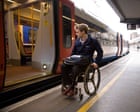
Study reveals accessible public transport could add £176bn to UK economy and enable 2.8m disabled workers. IMechE report highlights workforce gains.
Accessible Public Transport Could Unlock Massive Economic Potential
A comprehensive analysis demonstrates that transforming the accessible public transport infrastructure across the United Kingdom represents a significant opportunity for economic expansion. According to recent findings, implementing full accessibility measures throughout buses, trains, and station facilities could contribute an estimated £176bn boost to the national economy while simultaneously enabling millions of disabled individuals to participate more actively in the workforce.
The Institution of Mechanical Engineers (IMechE) has published research highlighting the substantial economic case for establishing an inclusive transport network throughout the country. Current transportation systems effectively exclude approximately 2.8 million working-age individuals from meaningful employment opportunities, representing both a social challenge and an untapped economic resource.
Current Barriers Affecting Working-Age Population
The existing network of public transportation in the UK presents significant obstacles for disabled passengers seeking workforce participation. The IMechE report reveals that the current system remains inaccessible to nearly a quarter of the working-age population, creating substantial barriers to employment and economic participation.
These accessibility challenges extend across multiple transportation modes and infrastructure elements. Buses frequently lack proper accessibility features, train stations often have inadequate facilities for disabled passengers, and overall coordination between different transport services remains fragmented. The cumulative effect of these limitations creates a systemic barrier that prevents millions from accessing employment opportunities.
Economic Benefits of Full Accessibility Implementation
The £176bn economic projection outlined in the IMechE analysis reflects both direct and indirect benefits from implementing comprehensive accessibility improvements. When disabled individuals gain improved access to transportation networks, they can more readily participate in the labour market, increasing overall workforce productivity and economic output.
Enhanced accessibility measures would enable individuals with various disabilities to commute to workplaces independently, reducing reliance on specialised transport services and associated public expenditure. This shift would simultaneously increase tax revenues while reducing welfare spending, creating a positive fiscal impact alongside broader economic growth.
Workforce Participation and Employment Gains
The research demonstrates that accessible public transport directly correlates with increased employment rates among disabled populations. When transportation barriers diminish, more individuals can pursue employment opportunities, access training programmes, and contribute meaningfully to their organisations and communities.
Current estimates suggest that improved accessibility to the transport network could unlock employment potential for millions of individuals currently excluded from the workforce. These individuals represent significant human capital that remains underutilised due to infrastructure limitations rather than capability constraints.
Implications for Transport Policy and Investment
The IMechE findings provide a compelling economic argument for prioritising accessibility improvements within transport planning and investment decisions. Rather than viewing accessibility enhancements as costs to be minimised, the research frames them as investments generating substantial returns through increased economic activity and workforce participation.
Policymakers and transport authorities face an opportunity to restructure their approach toward accessibility, moving beyond compliance-focused thinking toward value-creation perspectives. Strategic investment in accessible public transport infrastructure represents an economically rational decision alongside its social and ethical dimensions.
Comprehensive Approach to Transport Accessibility
Achieving full accessibility requires coordinated improvements across multiple transportation systems and infrastructure elements. Bus networks require enhanced boarding mechanisms, interior accessibility features, and driver training. Railway services need improved station facilities, accessible rolling stock, and comprehensive passenger assistance systems.
Beyond individual mode improvements, integrated accessibility requires seamless connections between different transport services, consistent accessibility standards across regions, and user-centred design approaches incorporating feedback from disabled passengers themselves.
Conclusion: Economic and Social Imperatives Aligned
The IMechE report effectively demonstrates that improving accessible public transport aligns economic interests with social objectives. The potential £176bn economic contribution provides a substantial rationale for prioritising accessibility investments within broader transport and economic policy frameworks.