
Hepatitis B Vaccine Trial in Guinea-Bissau Receives Approval
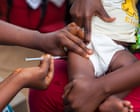
Danish researchers approved to conduct controversial hepatitis B vaccine study in Guinea-Bissau, withholding doses from newborns. RFK Jr's vaccine research visi...
Hepatitis B Vaccine Trial Receives Green Light in Guinea-Bissau
A contentious hepatitis B vaccine trial has been cleared to proceed in Guinea-Bissau, marking a significant development in the international vaccine research landscape. The study, spearheaded by Danish researchers, will examine the effects of withholding standard hepatitis B vaccinations from a portion of newborn participants, raising substantial ethical and medical concerns within global health circles.
This particular hepatitis B vaccine trial aligns closely with the vaccine research priorities championed by Robert F. Kennedy Jr., who currently serves as secretary of the US Department of Health and Human Services. Kennedy has maintained a prominent position as a vaccine skeptic for decades, advocating for alternative approaches to immunization protocols that diverge significantly from established public health recommendations.
The Study's Design and Methodology
The research protocol involves deliberately withholding the recommended dose of hepatitis B vaccine from thousands of newborns in Guinea-Bissau. This deliberate variance from standard vaccination schedules represents a departure from conventional medical practice, where hepatitis B immunization typically begins within 24 hours of birth in most health systems worldwide.
Danish researchers involved in the project will monitor and document outcomes over an extended period, collecting data intended to inform future vaccine policy discussions. The study's framework examines potential health impacts when standard hepatitis B vaccination protocols are modified or delayed in populations considered historically underserved by traditional medical infrastructure.
Regulatory Approval and Controversy
The approval granted this week allows the study to move forward despite considerable opposition from medical professionals and public health advocates. Critics argue that withholding established vaccines raises profound ethical questions, particularly when conducted in developing nations with limited healthcare resources and vulnerable populations.
The decision by Guinea-Bissau's regulatory authorities to permit this research has generated substantial debate within international health organizations. Proponents of the trial contend that examining alternative vaccination strategies could yield valuable scientific insights, while detractors emphasize the potential risks associated with denying proven preventive measures to study participants.
Kennedy's Influence on Vaccine Research Policy
Robert F. Kennedy Jr.'s appointment to lead the HHS has amplified discussions surrounding vaccine research methodologies and immunization strategies. His long-standing skepticism toward conventional vaccination programs has influenced policy conversations at the highest levels of American government, extending to international research partnerships and funding decisions.
The approval of this particular vaccine study reflects broader shifts in how certain vaccine research agendas are being prioritized and funded. Kennedy's vision for reimagining vaccine development and deployment strategies has resonated with particular constituencies while drawing sharp criticism from mainstream medical and public health establishments.
Global Health Implications
The Guinea-Bissau hepatitis B vaccine trial carries significant implications for how vaccine research is conceptualized and implemented across African nations and other developing regions. As a pilot initiative, the study's outcomes will likely influence future research protocols and policy frameworks governing immunization programs in resource-limited settings.
Public health experts monitoring the situation emphasize the importance of maintaining rigorous ethical standards in medical research, particularly when vulnerable populations and proven preventive interventions are involved. The balance between scientific inquiry and protection of study participants remains a central tension in contemporary vaccine research debates.
Looking Forward
As this hepatitis B vaccine trial proceeds in Guinea-Bissau, international medical communities will closely observe its progression, methodology, and reported findings. The research represents a pivotal moment in ongoing discussions about vaccine policy, research ethics, and the future direction of immunization strategies in developing nations.
The trial's outcomes will inevitably contribute to broader conversations about vaccine development, implementation standards, and the influence of alternative perspectives on established medical protocols. How this research unfolds will likely shape vaccine-related policy discussions for years to come.