Germany Reconsiders Coal Power as Energy Costs Soar
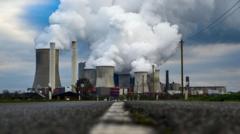
Germany may reverse its coal phase-out plan due to rising natural gas prices. Discover how energy crisis impacts Germany's climate commitments and future power...
Germany Reassesses Coal Energy Amid Rising Gas Prices
Germany's commitment to phasing out coal power faces renewed pressure as Germany coal power emerges as a viable alternative to increasingly expensive natural gas. The nation's energy landscape is undergoing significant shifts, forcing policymakers to reconsider long-established climate goals in light of unprecedented market conditions and geopolitical tensions affecting fuel supplies.
The Original Coal Phase-Out Plan
For years, Germany had committed to abandoning coal as part of its ambitious climate agenda. The nation pledged to eliminate coal-fired power plants by 2038, aligning with European environmental standards and global climate commitments. This strategic shift was intended to transition the country toward renewable energy sources such as wind and solar power, positioning Germany as a leader in sustainable energy development.
Rising Natural Gas Costs Drive Policy Reconsideration
Recent developments have complicated this trajectory. The cost of natural gas has experienced dramatic increases, fundamentally altering the economic calculus of energy production. Several factors contribute to this surge, including supply chain disruptions, geopolitical conflicts affecting Eastern European gas pipelines, and growing global demand for liquefied natural gas. These circumstances have made natural gas significantly more expensive than previously anticipated.
As gas prices remain elevated, coal-fired power plants have become increasingly competitive from an economic standpoint. Germany coal power facilities, which are currently operational, could potentially be reactivated or kept in service longer than initially planned. This economic reality presents policymakers with a difficult choice between maintaining climate commitments and ensuring affordable, stable electricity supplies for businesses and households.
Economic Pressures on Industrial Sectors
Germany's manufacturing industries, among the most energy-intensive in Europe, face severe pressure from elevated utility costs. Companies dependent on reliable, affordable electricity are struggling with profit margins, and some have already relocated operations or reduced production. The competitive disadvantage created by expensive energy threatens Germany's industrial base and employment levels across multiple sectors.
Implications for Germany's Energy Strategy
The potential reconsideration of coal represents a significant policy shift with multiple implications. While coal power would provide immediate relief from high energy costs, it contradicts Germany's stated environmental objectives and commitments under European Union climate regulations. The European Green Deal and other continental environmental initiatives pressure member states to accelerate decarbonization rather than delay it.
Renewable energy infrastructure expansion remains incomplete, and battery storage technology for intermittent power sources continues development. The gap between renewable generation capacity and energy demand cannot yet be fully bridged without conventional power sources. This reality places Germany in a challenging position where short-term energy security concerns intersect with long-term climate responsibilities.
Alternative Solutions and Energy Diversification
Some analysts suggest that rather than returning to Germany coal power, the nation should accelerate renewable energy deployment and diversify its energy portfolio. Investments in offshore wind, expansion of solar installations, and development of green hydrogen technologies could provide sustainable alternatives without compromising climate goals.
Nuclear energy, another low-carbon option, remains politically contentious in Germany following historical decisions to phase out nuclear plants. However, technological advances and energy security concerns may prompt fresh discussions about nuclear's role in the transition period.
International Dimensions and European Energy Security
Germany's energy dilemma reflects broader European challenges regarding fuel independence and supply security. The continent's reliance on Russian natural gas has become untenable following geopolitical developments, creating urgency to develop alternative energy sources rapidly. This situation affects Germany's industrial competitiveness and its role as Europe's economic engine.
Looking Forward
The question of whether Germany will substantially increase reliance on coal power remains unresolved. Policymakers must balance competing priorities: maintaining industrial competitiveness, protecting household budgets from energy poverty, fulfilling climate commitments, and ensuring grid stability. This decision will significantly influence Germany's energy landscape for decades and set precedents for other European nations facing similar pressures.