
Geothermal Energy: Unlocking Abundant Power Beneath the Earth
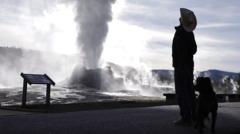
Discover how startups are revolutionizing geothermal energy technology with innovative approaches. Learn if this abundant underground resource can become econom...
Geothermal Energy: A Costly Yet Promising Resource
Geothermal energy represents one of the planet's most abundant yet underutilized power sources, lying dormant beneath our feet. Despite its tremendous potential, the development of this renewable resource has faced significant economic challenges that have prevented widespread adoption across industries and residential sectors.
Innovative Start-ups Reshape the Industry
A new wave of entrepreneurial ventures is transforming the geothermal energy landscape through cutting-edge technological innovations. These forward-thinking companies are developing alternative methodologies that challenge conventional extraction and utilization practices. By implementing advanced drilling techniques and enhanced geothermal systems, these start-ups aim to reduce operational expenses and improve overall efficiency in harnessing this valuable resource.
The Current Economic Challenge
The primary obstacle facing geothermal energy development remains the substantial upfront capital investment required for exploration and infrastructure construction. Traditional approaches demand extensive geological surveys, deep drilling operations, and specialized equipment installation—factors that significantly increase production costs. This financial burden has historically deterred larger-scale commercial deployment, particularly in regions where conventional fossil fuels or solar power remain economically competitive in the short term.
Technological Innovations Breaking Barriers
Contemporary start-ups are addressing these economic constraints through revolutionary approaches. Enhanced Geothermal Systems (EGS) technology enables energy extraction from previously inaccessible geological formations, expanding the geographic range of viable projects. Additionally, modular drilling solutions and AI-driven site selection tools are streamlining exploration phases, thereby reducing preliminary investigation costs substantially.
These innovations extend beyond extraction methods. Companies are developing direct-use applications for geothermal heat, utilizing this energy source for district heating systems, agricultural operations, and industrial processes. Such diversified applications maximize return on investment by generating multiple revenue streams from individual installations.
Market Viability and Future Prospects
The economic feasibility of geothermal energy projects varies significantly depending on geographic location, local regulatory frameworks, and available incentive programs. Regions with abundant geothermal resources—such as Iceland, New Zealand, and parts of the United States—demonstrate that profitability is achievable when conditions align favorably. Government subsidies, tax credits, and renewable energy mandates have proven instrumental in supporting geothermal energy deployment in these markets.
Start-ups are increasingly targeting previously overlooked markets by adapting their business models to local conditions. Some enterprises focus exclusively on geothermal energy applications for district heating, while others concentrate on power generation for industrial facilities. This targeted approach allows companies to optimize their operational models and achieve profitability more rapidly than traditional large-scale utilities.
Comparing Economic Models
Unlike solar photovoltaic or wind energy, geothermal energy provides consistent, baseload power generation regardless of weather conditions. This reliability translates to higher capacity factors and more predictable revenue streams for operators. However, the capital intensity of initial development remains substantially higher than competing renewable technologies, creating a barrier for smaller investors and emerging markets.
Conclusion: Transforming Energy Economics
The question remains whether innovative approaches by start-ups can overcome the persistent economic barriers associated with geothermal energy development. While technological breakthroughs continue to reduce costs and expand operational possibilities, widespread commercialization will likely depend on sustained policy support and continued innovation in extraction methodologies. For investors and communities seeking reliable, sustainable power solutions, geothermal energy represents both an opportunity and a challenge worthy of serious consideration in the coming years.


