
France Faces Surge in Drowning Deaths During Extreme European Heatwave
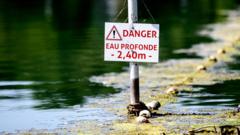
Drowning deaths surge across France as heatwave peaks in Europe. Prime Minister confirms 40 fatalities since last Thursday amid extreme temperatures.
Drowning Deaths Surge Across France During Peak Heatwave Conditions
A critical public health emergency has unfolded across France as drowning deaths soar to alarming levels during the continent's most intense heatwave period. Prime Minister Sébastien Lecornu confirmed that drowning deaths France have claimed approximately 40 lives since the preceding Thursday, highlighting the severe consequences of sustained extreme temperatures gripping European nations.
The catastrophic surge in water-related fatalities reflects a dangerous pattern emerging as citizens seek relief from oppressive heat through swimming and aquatic activities. These tragic incidents underscore the intersection of natural disaster preparedness and public safety protocols that have become increasingly critical as climate-related emergencies intensify across the continent.
Understanding the Scale of the Crisis
The magnitude of drowning fatalities represents a significant escalation in mortality rates compared to typical summer periods. Authorities attribute the concentration of incidents to the unprecedented duration and intensity of the current heatwave, which has pushed temperatures to record-breaking levels throughout multiple European regions.
The 40 confirmed deaths encompass drowning incidents across various water bodies, including beaches, lakes, rivers, and swimming facilities. Each fatality reflects circumstances where individuals, attempting to cope with dangerous heat conditions, ventured into water bodies without adequate safety measures or in conditions that proved more hazardous than anticipated.
Contributing Factors to Rising Drowning Incidents
Several interconnected elements have contributed to the escalation of drowning deaths during this particular heatwave event. The extreme temperatures themselves drive population behavior toward water-based cooling strategies, increasing the number of people entering potentially dangerous aquatic environments simultaneously.
Additionally, the prolonged heatwave has affected public alertness and decision-making capabilities. Heat exhaustion and heat stroke impair judgment, making individuals more prone to taking risks they might otherwise avoid. Vulnerable populations, including elderly residents and those with medical conditions, face compounded risks when attempting to manage extreme heat exposure through water immersion.
Weather Pattern Disruptions
Meteorological conditions accompanying the heatwave have created additional complications for water safety. Unusual currents, unexpected temperature variations in water bodies, and atmospheric pressure changes associated with extreme heat systems can generate conditions that even experienced swimmers find challenging to navigate.
Regional Impact Across Europe
While France has experienced the most significant documented death toll, the broader European heatwave continues affecting neighboring countries with comparable climate impacts. Multiple nations face increased emergency service demands as hospitals and rescue operations strain under the pressure of heat-related medical emergencies alongside water safety incidents.
European health authorities have issued coordinated warnings regarding the compounding effects of sustained heat exposure and dehydration on physical capabilities. These physiological effects directly influence individuals' ability to respond appropriately to aquatic emergencies or recognize their own limitations during water activities.
Official Response and Safety Measures
Prime Minister Lecornu's public acknowledgment of the drowning crisis signals increased governmental attention to emergency response protocols. Authorities have intensified beach and public water facility monitoring, deploying additional lifeguard resources and implementing enhanced safety messaging campaigns.
French public health officials have coordinated public awareness initiatives specifically addressing water safety during extreme heat conditions. These campaigns emphasize the importance of supervising vulnerable individuals, recognizing signs of fatigue and heat stress, and avoiding water immersion when physical condition remains compromised.
Long-Term Implications for Public Health
The dramatic increase in drowning fatalities during the current heatwave event raises important questions about climate adaptation and emergency preparedness infrastructure. As extreme weather events become more frequent and intense, communities must develop more sophisticated responses that address the interconnected nature of climate emergencies.
Public health agencies are evaluating whether current drowning prevention frameworks adequately account for the behavioral and environmental changes associated with extreme heat scenarios. Enhanced planning may include expanded lifeguard services during heat events, improved water temperature monitoring systems, and targeted education for high-risk populations.
The tragic toll of the current drowning crisis in France serves as a stark reminder of climate change's complex public health consequences. Policymakers across Europe face mounting pressure to develop comprehensive strategies that address not only primary climate impacts but also the secondary health and safety emergencies that emerge during extreme weather events.


