
Ford Brings Back Human Engineers After AI Quality Control Shortfall
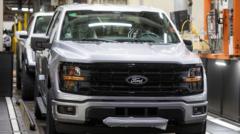
Ford rehires experienced engineers after discovering AI quality checks cannot match human expertise. Learn why the automaker reversed its automation strategy.
Ford's Strategic Return to Human Quality Control
Ford AI quality control systems have proven insufficient in maintaining the rigorous standards expected by the automotive manufacturer. The company has made the significant decision to rehire experienced human engineers after discovering that artificial intelligence technology cannot adequately replicate the expertise and precision that veteran technicians bring to quality assurance processes.
The Limitations of Automated Quality Systems
The implementation of AI-based quality control mechanisms represented an attempt to streamline manufacturing operations and reduce labor costs. However, Ford's extensive testing revealed critical gaps in the automated system's ability to detect defects and inconsistencies that experienced human inspectors routinely identify. These limitations in Ford AI quality control highlighted the irreplaceable value of decades of accumulated manufacturing expertise.
Veteran technicians possess an intuitive understanding of manufacturing processes that extends beyond programmed algorithms. Their ability to recognize subtle variations, anticipate potential failure points, and make nuanced judgment calls has proven essential for maintaining the company's reputation for vehicle reliability.
Why Human Expertise Remains Irreplaceable
The decision to reinvest in human engineers underscores a fundamental reality in modern manufacturing. While automation continues to advance rapidly, certain quality assurance functions demand the cognitive flexibility and pattern recognition capabilities that experienced professionals provide. Automotive quality assurance requires not only detecting visible defects but also understanding complex interactions between components and predicting long-term performance issues.
Ford's engineering teams can adapt their inspection methodologies based on evolving production challenges and customer feedback. This adaptive capacity, combined with their ability to exercise professional judgment in ambiguous situations, creates a quality control environment that surpasses what current AI manufacturing limitations allow.
Industry Implications and Manufacturing Strategy
Ford's reversal of its automation strategy carries significant implications for the broader automotive industry. The decision demonstrates that achieving optimal manufacturing outcomes may require hybrid approaches that combine technological innovation with human expertise rather than pursuing complete automation. Vehicle quality checks performed by experienced technicians can catch issues that might escape algorithmic detection.
This development challenges the prevailing narrative that automation inevitably replaces human workers. Instead, Ford's experience suggests that competitive advantage in manufacturing stems from strategic integration of advanced technology with irreplaceable human capabilities. The company recognizes that rushing toward full automation without properly evaluating functional performance can actually compromise product quality and customer satisfaction.
Reinvestment in Technical Talent
The rehiring initiative reflects Ford's commitment to building a workforce that values institutional knowledge and professional experience. By bringing back veteran engineers, the company gains access to the institutional memory and problem-solving expertise that cannot be quickly replicated. These professionals understand the nuances of Ford's manufacturing culture, equipment, and quality standards accumulated over years of hands-on experience.
Investment in human capital also strengthens employee morale and workplace stability. The message that the company values experienced talent encourages long-term career development and attracts skilled professionals who seek meaningful, sustainable employment in the manufacturing sector.
Future Outlook for Automotive Manufacturing
Ford's strategic pivot suggests a more balanced future for automotive manufacturing where AI manufacturing limitations are acknowledged alongside the technology's genuine advantages. The company appears to be developing a comprehensive quality framework that leverages artificial intelligence for data analysis, consistency monitoring, and high-volume inspection tasks while reserving critical decision-making functions for experienced human professionals.
This hybrid approach may represent the optimal path forward for automotive quality assurance, combining the scalability and consistency of automated systems with the judgment and adaptability of experienced engineers. As other manufacturers observe Ford's results, similar reassessments of automation strategies may occur throughout the industry, ultimately reshaping how companies approach the integration of technology and human expertise in production environments.


