
Food Purchase Tracking: Key Benefits for Your Health
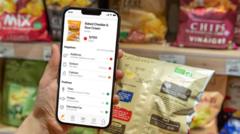
Discover how tracking your food purchases impacts your diet quality and wellness. Learn about the health benefits and best practices for monitoring your eating...
Understanding Food Purchase Tracking and Its Health Impact
Food purchase tracking has emerged as a significant wellness tool that helps individuals understand their dietary patterns and make informed choices about nutrition. When you monitor your food purchases regularly, you gain valuable insights into what you're consuming and how it affects your overall health outcomes.
What Does Food Purchase Tracking Involve?
Food purchase tracking encompasses recording the items you buy at grocery stores, restaurants, and other food establishments. This practice goes beyond simple shopping lists—it creates a comprehensive log of your nutritional intake patterns. Many health-conscious consumers use digital applications or traditional notebooks to maintain detailed records of their food purchases throughout the day and week.
The Connection Between Tracking and Dietary Improvements
Research indicates that individuals who engage in food purchase tracking often experience measurable improvements in their dietary choices. When you actively monitor what you're purchasing, you become more conscious of your eating behaviors. This heightened awareness frequently leads to:
Better nutritional balance: Food purchase tracking helps you identify gaps in your diet, such as insufficient vegetable intake or excessive processed food consumption. By understanding these patterns, you can adjust your shopping habits accordingly.
Reduced impulse buying: Tracking your purchases encourages more intentional shopping decisions. Instead of making spontaneous choices at checkout, you're more likely to stick to planned purchases that align with your health goals.
Budget consciousness: Food purchase tracking often reveals spending patterns on unhealthy foods, motivating you to reallocate funds toward nutritious alternatives.
Popular Methods for Food Purchase Tracking
Several approaches have proven effective for maintaining food purchase records:
Digital Applications
Modern food tracking apps offer sophisticated features including nutritional analysis, calorie counting, and macronutrient breakdowns. These platforms enable seamless logging of purchases and provide data visualization that helps you understand your dietary trends over time.
Manual Journaling
Traditional food purchase tracking through notebooks or journals appeals to individuals who prefer a more tactile, reflective approach. This method encourages mindfulness and deliberate engagement with your eating choices.
Receipt Analysis
Simply reviewing store receipts provides an immediate overview of your food purchases without requiring additional effort. This passive approach still offers valuable insights into your spending and consumption patterns.
Health Benefits of Consistent Food Tracking
When implemented consistently, food purchase tracking contributes to numerous health advantages:
Weight management: Food purchase tracking supports weight control by making you more aware of portion sizes and caloric content. This awareness naturally leads to more moderate consumption patterns.
Disease prevention: By monitoring what you purchase and consume, you can reduce your intake of sodium, added sugars, and unhealthy fats—risk factors for cardiovascular disease and diabetes.
Energy optimization: Understanding which foods provide sustained energy helps you make choices that prevent afternoon slumps and maintain stable blood sugar levels throughout the day.
Overcoming Challenges in Food Tracking
Despite its benefits, food purchase tracking presents certain obstacles worth addressing. Some individuals find the practice tedious or overwhelming initially. The key is starting with simple tracking methods and gradually increasing complexity. Others worry about developing obsessive relationships with monitoring, but research shows this risk decreases when tracking focuses on broad patterns rather than exact measurements.
Integrating Food Purchase Tracking Into Your Routine
Successfully implementing food purchase tracking requires practical strategies. Begin by selecting a tracking method that fits your lifestyle—whether digital or analog. Set realistic goals focused on gradual improvements rather than perfectionism. Consider tracking for specific periods, such as two weeks, to identify patterns without indefinite commitment.
Conclusion: A Practical Tool for Wellness
Food purchase tracking serves as a valuable instrument for enhancing dietary quality and overall health outcomes. While no single approach works universally, the practice of monitoring food purchases significantly increases awareness and supports better decision-making. Whether you choose digital applications, manual journals, or receipt review, consistent food purchase tracking empowers you to take control of your nutrition and move toward your health objectives with confidence and clarity.


