
EU Under Fire for Taliban Talks in Brussels
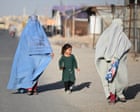
Rights groups and MEPs condemn EU plans to meet Taliban delegation in Brussels, warning it normalizes a regime that restricts women's rights and education.
EU Faces Backlash Over Controversial Taliban Engagement
The European Union has come under intense scrutiny following plans to host a Taliban delegation in Brussels, a move that has prompted sharp condemnation from human rights organizations and Members of the European Parliament. The EU Taliban meeting in Brussels represents a significant diplomatic step that critics argue could legitimize a regime with a deeply troubling record on fundamental freedoms and gender equality.
Rights Groups Express Strong Opposition
Human rights campaigners and MEPs have issued stern warnings about the implications of such engagement. They argue that convening with Taliban representatives risks normalizing a government that has implemented sweeping restrictions on women's participation in society and education. The Taliban has banned girls from attending school beyond the sixth grade, effectively denying millions of young females access to secondary education. Furthermore, the regime has systematically worked to erase women from public and professional life, imposing severe limitations on their movement, employment, and autonomy.
Serious Allegations Against Taliban Leadership
Adding to the controversy, two of the Taliban leaders expected to participate in discussions have been accused of crimes against humanity. These allegations raise profound ethical and legal questions about the appropriateness of diplomatic engagement at the highest levels. Critics contend that meeting with individuals facing such serious accusations sends a troubling message about international accountability and the consequences of human rights violations.
Official Confirmation of Delegation Travel
An official spokesperson from the Afghan foreign ministry has confirmed that a Taliban delegation did indeed travel to Brussels following the issuance of five single-day visas by the Belgian foreign ministry. The provision of these visas represents a formal diplomatic gesture that has intensified debate about the EU's engagement strategy with the Taliban-led government in Afghanistan. The decision to grant entry permits has been viewed by many observers as a preliminary step toward normalizing relations with the Taliban administration.
Implications for Women's Rights and International Standards
The controversy surrounding the EU Taliban meeting reflects broader concerns about the tension between diplomatic pragmatism and adherence to international human rights standards. Rights advocates argue that engagement with the Taliban should be conditional upon measurable improvements in the treatment of women and girls, religious minorities, and other vulnerable populations. They emphasize that dialogue without preconditions or accountability mechanisms effectively condones ongoing human rights abuses.
The decision to host Taliban representatives has reignited discussions about how the international community should balance diplomatic relations with principled stands on human rights. Many MEPs have called for the EU to establish clear benchmarks and conditions for any future interactions with Taliban officials, ensuring that engagement does not inadvertently legitimize policies that contradict European values and international law.