
Energy Meters: Essential Reading as Household Prices Surge
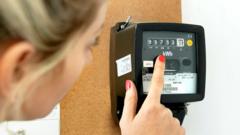
Households urged to read energy meters as prices climb 13% annually following Ofgem's latest price cap implementation. Essential tips for managing costs.
Energy Meter Reading Becomes Critical as Costs Escalate
Reading your energy meter regularly has become more important than ever, as households face a significant surge in energy consumption costs. With household energy prices increasing by 13% annually following the implementation of Ofgem's latest price cap, consumers are seeking every opportunity to manage their expenses more effectively. Understanding how to properly read your energy meter is a fundamental step toward gaining control over your utility spending.
Understanding the Latest Price Cap Impact
Ofgem, the regulatory authority overseeing the energy market, has introduced a new price cap that directly affects millions of households across the country. This regulatory adjustment has resulted in the considerable 13% annual increase in energy bills that many families are experiencing. The price cap is designed to protect consumers while maintaining market stability, yet the financial burden remains substantial for households already struggling with rising living costs.
Why Energy Meter Reading Matters Now More Than Ever
Accurately reading your energy meter serves multiple critical purposes in the current economic climate. First, it allows you to monitor your actual consumption patterns and identify areas where energy waste occurs. By taking regular meter readings, you can establish a baseline of your typical usage and quickly spot any unusual spikes that might indicate a malfunction or inefficiency in your home.
Furthermore, regular meter readings help prevent billing disputes and ensure that suppliers charge you based on accurate consumption data rather than estimates. Many households discover they have been overcharged for months or years simply because their meter readings were not recorded correctly or frequently enough. This makes the simple act of reading your energy meter an essential consumer protection measure.
How to Read Your Energy Meter Correctly
Understanding the mechanics of your energy meter is straightforward but often overlooked by householders. Most modern digital meters display consumption in kilowatt-hours, and you should record the numbers shown on the display exactly as they appear. For older mechanical meters, you need to read the numbers from left to right, ignoring any red dials or numbers that appear in smaller circles.
The frequency of meter readings is equally important. Industry experts recommend taking readings at least quarterly, though monthly readings provide even better accuracy and control. By establishing this routine, you create a comprehensive record that can be invaluable if disputes arise or if you need to transition to a new energy supplier.
Managing Energy Costs During Price Increases
Beyond reading your energy meter, several complementary strategies can help mitigate the impact of rising prices. Improving home insulation, upgrading to energy-efficient appliances, and adopting behavioral changes such as reducing heating temperatures can collectively reduce consumption. When combined with accurate energy meter monitoring, these measures create a comprehensive approach to cost management.
Communicating your meter readings directly to your energy supplier also ensures accurate billing cycles. Many suppliers now offer online portals where customers can submit readings, eliminating reliance on estimated bills based on historical data. This direct communication often results in fairer charges and prevents the accumulation of balance disputes.
Consumer Advocacy and the Energy Market
Consumer organizations continue to advocate for greater transparency in how energy meters are read and billed. As the energy market becomes increasingly complex, the ability to independently verify your consumption through regular energy meter reading has become a fundamental consumer right. Advocacy groups emphasize that households should never feel intimidated by the technical aspects of monitoring their own usage.
Looking Forward: Energy Awareness and Financial Control
The 13% annual price increase mandated by Ofgem's latest regulations underscores the importance of proactive energy management at the household level. By developing the habit of regularly reading your energy meter, you take control of one of the few variables within your reach during volatile market conditions. This simple but powerful practice represents genuine consumer empowerment in an increasingly challenging financial environment.


