
Electric Car Insurance Costs: Why Premiums Rise Higher
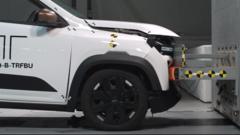
Discover why electric vehicle insurance costs more and explore solutions addressing affordability concerns for EV buyers.
Understanding Electric Vehicle Insurance Premium Increases
The surge in electric vehicle insurance costs remains a significant barrier for potential purchasers considering the transition to sustainable transportation. Electric vehicle insurance costs have become increasingly challenging, with insurers charging substantially higher premiums compared to conventional gasoline-powered vehicles. This pricing disparity stems from multiple interconnected factors that insurers evaluate when calculating coverage rates for battery-powered automobiles.
Why Electric Vehicles Command Higher Insurance Premiums
Several critical reasons explain the elevated insurance costs associated with electric vehicles. The replacement and repair expenses for sophisticated battery systems represent the primary driver of increased premiums. When an electric vehicle sustains damage to its high-voltage battery pack, repair costs can reach tens of thousands of dollars, sometimes exceeding the vehicle's actual market value. This financial exposure compels insurance companies to demand higher premiums to offset potential claims.
Battery Replacement and Repair Expenses
The battery technology integrated into modern electric vehicles requires specialized expertise and genuine manufacturer components for repairs. Unlike conventional automotive systems, battery pack restoration demands technicians with specific training and certification. The scarcity of qualified repair facilities nationwide creates supply constraints, further inflating service costs. Insurance actuaries factor these elevated repair expenses directly into premium calculations, resulting in coverage rates substantially higher than traditionally powered vehicles.
Limited Repair Infrastructure and Technical Expertise
The automotive industry continues developing adequate repair networks for electric vehicle maintenance and damage restoration. Many independent repair shops lack the necessary equipment and technical knowledge to safely service high-voltage battery systems. This limitation forces owners toward manufacturer-authorized dealerships, which typically charge premium labor rates. Insurance providers recognize this infrastructure gap and adjust premiums accordingly.
Market Data and Current Premium Comparisons
Recent insurance industry analysis demonstrates that electric vehicle owners pay significantly higher premiums than comparable gasoline vehicle owners. Premium differentials range between 20 to 40 percent higher for identical coverage levels, depending on vehicle model and regional factors. Popular electric models command particularly elevated insurance rates due to limited repair facility availability and restricted access to replacement parts.
Age and model year significantly influence electric vehicle insurance pricing patterns. Newer electric vehicles with advanced autonomous driving features attract even higher premiums, as collision repair costs multiply with sophisticated sensor and electronic component integration. Older electric vehicle models sometimes benefit from reduced premiums as battery technology becomes more widely understood and repair infrastructure expands gradually.
Solutions and Industry Responses to Address Insurance Affordability
The insurance industry and automotive manufacturers are implementing strategic initiatives to reduce electric vehicle insurance costs and improve affordability for consumers. These collaborative efforts aim to streamline repair processes and expand technical capacity across the nation.
Expansion of Certified Repair Networks
Automakers are actively partnering with independent repair facilities to establish certified technician programs focused on electric vehicle service and damage restoration. Third-party certification organizations are developing standardized training curriculum ensuring consistent repair quality across diverse geographical regions. This network expansion directly addresses the scarcity issue, ultimately reducing per-unit repair costs and supporting lower insurance premiums.
Insurance Industry Innovations and Premium Reduction Programs
Progressive insurance carriers are introducing specialized coverage products designed specifically for electric vehicle owners. Usage-based insurance programs that monitor driving patterns allow cautious electric vehicle operators to earn premium discounts. Some insurers offer dedicated electric vehicle coverage tiers with reduced deductibles and streamlined claims processes, recognizing the distinct characteristics of battery-powered vehicles.
Technological Advancements Impacting Future Insurance Costs
Emerging automotive technologies promise substantial improvements in insurance affordability for electric vehicle owners. Advanced collision avoidance systems and autonomous emergency braking capabilities reduce accident frequency and severity. These safety innovations provide insurance companies with empirical data demonstrating lower claim rates, justifying premium reductions for equipped models.
Battery technology evolution continues enhancing durability and reducing replacement costs proportionally. Manufacturers developing more robust battery designs with extended warranties provide insurance companies confidence in reduced long-term failure rates. These technological improvements create favorable conditions for gradual premium normalization across the electric vehicle market.
Regional Variations and Insurance Rate Differences
Geographic location significantly influences electric vehicle insurance costs. Urban areas with established repair infrastructure typically offer lower premiums than rural regions with limited service options. States implementing supportive regulations for electric vehicle adoption often experience more competitive insurance pricing as market conditions improve and repair networks expand systematically.
Conclusion: Moving Forward with Electric Vehicle Accessibility
Electric vehicle insurance costs will gradually decrease as industry infrastructure matures and repair capabilities expand nationwide. Consumer awareness regarding available discount programs and specialized coverage options can immediately reduce financial barriers to electric vehicle adoption. Continued collaboration between manufacturers, insurers, and independent repair shops promises sustainable solutions addressing affordability concerns while maintaining appropriate coverage standards for this rapidly evolving automotive segment.


