Dover Vigilantes Warn of Fresh Blockades If Police Fail to Intervene
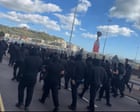
Far-right linked group threatens repeat Dover disruptions. Campaigners urge stronger police action against masked protesters blocking roads and ports.
Masked Protesters Threaten Renewed Dover Blockades
The emergence of black-clad Dover vigilantes has sparked serious concerns among local authorities and civil rights organizations, with warnings that similar disruptions could occur repeatedly unless law enforcement intensifies intervention efforts. These masked demonstrators, who brought traffic to a standstill at the strategic port location, have triggered an urgent debate about public order management and the growing visibility of extremist activity in the United Kingdom.
The group claiming responsibility for the recent Dover vigilantes incident is Patriot Platform, an anti-immigration organization with documented connections to far-right movements. The group presents itself as defenders of national interests, employing nationalist rhetoric and positioning itself as protectors of homeland security. However, civil rights advocates and political figures have raised alarm about their tactics and underlying ideology.
Extremist Group Mobilization and Police Response
According to the founder of Hope Not Hate, a prominent anti-extremism organization, the Dover vigilantes have demonstrated a troubling capacity to organize and mobilize at considerable scale, largely due to what they characterize as insufficient police response. This assessment highlights a critical gap between public expectations for security and the actual deployment of law enforcement resources to counter such demonstrations.
The blockade at Dover represented a significant disruption to commercial traffic and civilian movement, demonstrating the potential impact when organized groups can mobilize without adequate containment. The port facility, crucial to UK-EU trade operations, found itself paralyzed during the incident, raising questions about infrastructure vulnerability to protest action.
Political and Community Concerns About Future Incidents
Multiple politicians and campaign organizations have publicly stated that without enhanced police measures and preventative strategies, the Dover vigilantes and affiliated groups will likely attempt similar actions in the coming months. This assessment reflects growing concern that the initial response to the blockade may have been perceived as insufficient by extremist networks, potentially encouraging replication of the tactic.
The characterization of Patriot Platform as linked to far-right ideology carries particular weight given the organization's rhetoric and the appearance and conduct of its supporters during the Dover action. Observers have noted the deliberate use of intimidating visual elements—including all-black clothing and face coverings—designed to project an image of coordinated, disciplined force.
Strategic Implications for Law Enforcement
The Dover vigilantes incident has exposed challenges in real-time response coordination and intelligence gathering regarding extremist mobilization. Law enforcement agencies face the dual challenge of preserving rights to peaceful assembly while preventing organized disruptions that affect public services and commerce.
Anti-extremism groups contend that the police's approach has been reactive rather than proactive, responding to demonstrations after they commence rather than deploying preventative measures beforehand. This criticism extends to questions about monitoring extremist communication channels and identifying planned actions before they materialize.
Broader Context of Anti-Immigration Activism
The Dover vigilantes and Patriot Platform represent a broader trend of organized, visible anti-immigration activism across the UK. These groups have leveraged social media and grassroots organizing to coordinate supporters and amplify their message regarding border security and immigration policy.
Civil society organizations argue that while protest constitutes a protected democratic activity, the methods and ideology associated with the Dover vigilantes cross into concerning territory. The deliberate intimidation tactics and far-right connections differentiate these demonstrations from conventional civic participation.
Urgent Call for Preventative Action
Campaigners have issued explicit warnings that police departments must enhance their strategic response to prevent future Dover vigilantes incidents. Recommendations include improved intelligence gathering, stronger community engagement, and clearer communication of enforcement intentions to potential participants.
The threat of renewed blockades hangs over Dover and potentially other strategic locations, pending police and government response to these warnings. Without tangible changes to security protocols and law enforcement visibility, political leaders and anti-extremism organizations fear that organized vigilante groups will interpret continued disruptions as tolerable and repeatable tactics for advancing their political objectives.