
Channel 4 Documentary Sparks Major ADHD Charity Controversy
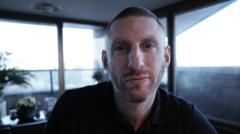
ADHD charity issues formal complaint against Channel 4's ADHD documentary. Media describes show as most controversial of the year amid heated debate.
ADHD Charity Issues Formal Complaint Against Channel 4 Documentary
A prominent ADHD charity has lodged an official complaint regarding Channel 4's controversial documentary, intensifying ongoing debates about the representation of attention deficit hyperactivity disorder in mainstream media. The ADHD charity complaint addresses serious concerns about how the broadcaster presented information regarding this widely diagnosed neurodevelopmental condition.
Documentary Labeled as Most Controversial Show of the Year
Media outlets have characterized the Channel 4 documentary as generating unprecedented controversy within the industry. One prominent newspaper described the program as "the most controversial show of the year," highlighting the significant divide it has created among viewers, medical professionals, and advocacy groups.
Nature of the Concerns Raised
The ADHD charity complaint centers on allegations that the documentary misrepresented current scientific understanding of the condition. Charities working extensively with individuals diagnosed with ADHD have expressed deep frustration about what they characterize as misleading narratives presented throughout the program. These organizations argue that the documentary failed to adequately represent established medical consensus regarding ADHD diagnosis, treatment options, and the lived experiences of those affected.
Broader Implications for Public Understanding
This controversy surrounding the Channel 4 documentary raises fundamental questions about how broadcasting organizations approach sensitive health topics. The ADHD charity complaint underscores the importance of ensuring that documentaries addressing medical and neurodevelopmental conditions maintain accuracy while respecting the experiences of affected communities. Advocacy groups emphasize that misinformation broadcast to millions can have significant consequences for public perception and policy decisions.
Industry Response and Standards
The incident has prompted discussions within the broadcasting industry about editorial standards when covering complex neurological and psychological conditions. Media organizations increasingly face scrutiny regarding how they balance controversial perspectives with factual accuracy, particularly when documentaries challenge established medical understanding. This case exemplifies the tension between encouraging debate and maintaining responsibility toward audiences who may lack specialized knowledge.
Impact on ADHD Advocacy and Awareness
Charities dedicated to ADHD support and education view formal complaints as necessary tools for protecting their constituents from potentially damaging misinformation. The ADHD charity complaint process aims to establish accountability mechanisms that ensure public broadcasters meet appropriate standards when addressing health-related topics. These organizations continue advocating for more nuanced, evidence-based media coverage that acknowledges the complexity of neurodevelopmental conditions.


