
Badenoch Blasts Starmer Over £5bn Defence Spending Gap
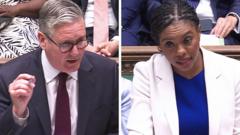
Conservative leader Kemi Badenoch criticizes PM Starmer for a £5bn shortfall in defence investment plans, claiming inadequate military funding strategy.
Badenoch Challenges Government Defence Spending Strategy
Conservative Party leader Kemi Badenoch has launched a direct attack on Prime Minister Keir Starmer over what she characterises as a significant gap in the defence spending gap within the government's investment framework. The criticism centres on an alleged shortfall of £5 billion in the current defence budget allocation, which Badenoch argues represents a critical failure in the administration's commitment to national security.
The defence spending gap identified by the Opposition leader raises serious questions about the government's financial planning for military capabilities and infrastructure. Badenoch's intervention represents a escalation in parliamentary scrutiny of how the current administration is handling defence finances, particularly as international security concerns remain elevated across Europe and beyond.
Scale of the Alleged Defence Investment Shortfall
According to Badenoch's assessment, the defence spending gap amounts to approximately £5 billion across the investment plan period. This figure, if accurate, would represent a substantial reduction in anticipated military expenditure compared to previous government commitments and strategic defence reviews.
The Conservative leader contends that such a significant defence spending gap undermines Britain's capacity to maintain its military readiness and modernise equipment. She argues that the shortfall directly impacts defence personnel, procurement schedules, and the broader technological advancement of armed forces across air, sea, and land operations.
Political Context and Parliamentary Response
Badenoch's criticism emerges within a broader context of political disagreement over budget priorities and fiscal management. The allegations regarding the defence spending gap have prompted increased debate within Parliament about how Defence Department resources are being allocated and whether current funding levels are sufficient for stated security objectives.
The interaction between Conservative Opposition and the Labour government on defence matters reflects traditional partisan divisions over military spending levels. Conservative politicians have historically advocated for higher defence budgets, while the current government has stated its commitment to increasing defence investment gradually over the coming years.
Government Defence Budget Commitments
The government has pledged to increase defence spending to 2.5% of GDP by 2030, representing what ministers describe as a historic commitment to military funding. However, Badenoch's identification of the defence spending gap suggests that current provisions fall short of meeting these long-term targets or fail to adequately fund existing commitments.
The question of adequate defence financing has become increasingly prominent in recent parliamentary sessions, with concerns expressed about equipment availability, personnel numbers, and operational capabilities across military branches. The alleged defence spending gap highlights tensions between stated policy commitments and actual budget allocations.
Implications for UK Military Capability
The defence spending gap identified by Badenoch raises substantive questions about the practical implications for British military operations and readiness. Critics argue that insufficient funding could affect equipment maintenance, training schedules, and the ability to respond to emerging security threats.
Military leadership has occasionally indicated concerns about resource constraints affecting operational effectiveness. The debate over the defence spending gap therefore connects broader discussions about whether Britain can maintain its geopolitical position and NATO commitments with current spending levels.
Opposition Scrutiny and Parliamentary Debate
Badenoch's intervention represents part of ongoing Conservative scrutiny of government defence policy. The Conservative Opposition continues to monitor defence spending decisions closely, arguing that national security should be treated as a paramount budgetary priority.
The alleged defence spending gap provides ammunition for parliamentary criticism and public debate about government priorities. As defence concerns remain relevant to voter concerns, particularly regarding international stability and national protection, the issue appears likely to persist as a significant point of political contention.
The broader debate encompasses questions about whether existing defence spending gaps can be addressed through budget reallocation, whether supplementary funding will be provided, and what timeline might be established for closing any identified shortfalls in military investment planning.


