
Artificial Ice Pyramids Rescue Water Supplies in Indian Mountains
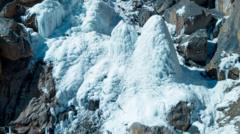
Himalayan villages engineer ice pyramids to secure spring water for crops. Discover how artificial glaciers save mountain communities from drought and climate c...
Innovative Water Solutions in Mountain Communities
Artificial glaciers India has become a lifeline for remote Himalayan villages facing severe water scarcity challenges. These ingeniously engineered ice structures, often called ice pyramids, represent a transformative approach to securing reliable water supplies during critical spring months when agricultural demands peak. Communities across the mountain regions have implemented this sustainable technology to combat drought and ensure their crops receive adequate irrigation.
The crisis of water availability in high-altitude settlements stems from climate change and irregular snowfall patterns. Traditional glacier melt, which historically provided consistent water flow through spring and early summer, has become increasingly unpredictable. Farmers in these remote areas have struggled to maintain their agricultural productivity as precipitation patterns shift dramatically year after year.
How Ice Pyramids Function
The artificial glaciers India construction process involves channeling water from higher elevations down to lower areas during winter months. Engineers and local communities work together to create controlled ice formations that store water in frozen form. These structures essentially act as natural reservoirs, preserving water resources during the coldest months and releasing them gradually as temperatures rise in spring.
The ice pyramids are built using a simple yet effective principle. Water is diverted through pipes during winter when temperatures remain well below freezing. As water flows down the mountainside into designated areas, it naturally freezes, creating large blocks and formations of ice. These artificial glaciers mountains maintain their frozen state longer than natural snow and ice, extending the water availability period well into the warmer seasons.
Engineering and Community Involvement
Local engineers and water conservation specialists work alongside village residents to construct these systems. The infrastructure requires careful planning to ensure water sources are properly channeled and ice formations develop optimally. Communities participate in maintenance and monitoring throughout the winter season to maximize ice accumulation and preservation.
Impact on Agricultural Practices
For farmers in Himalayan villages, artificial glaciers India provides essential irrigation during spring planting and early growth seasons. Without this water, crops would fail, threatening food security for entire communities. The technology has proven particularly valuable for growing apples, grains, and vegetables that require consistent moisture during their critical development phases.
The spring water supply from these ice pyramids has enabled farmers to expand their cultivated areas and increase crop yields significantly. Previously, many fields remained dormant during crucial growing seasons due to water constraints. With reliable artificial glacier systems in place, the same land now produces multiple harvests or larger yields per season.
Climate Change Adaptation Strategy
The development of ice pyramids represents a broader climate adaptation strategy for vulnerable mountain communities. As traditional glaciers continue retreating due to global warming, artificial glaciers mountains offer communities agency in preserving their water resources. This approach demonstrates how local innovation can address the impacts of climate change without relying solely on external interventions.
Environmental experts recognize artificial glaciers India as one of the most promising low-cost adaptation solutions for high-altitude regions. Unlike large dam projects that require substantial investment and environmental impact assessments, ice pyramid systems can be implemented by communities with relatively modest resources and technical support.
Challenges and Future Prospects
Despite their success, ice pyramid projects face several challenges. Inconsistent winter temperatures due to climate variability can affect ice formation rates. Additionally, some villages lack sufficient water sources or appropriate topography for implementing these systems effectively.
Researchers continue improving artificial glacier technology to enhance efficiency and reliability. New designs and materials are being tested to increase ice preservation rates and extend the period of water availability. Educational programs train local communities in system maintenance and optimization.
Regional Success Stories
Several Himalayan villages have become models for successful ice pyramid implementation. These communities have documented significant improvements in water security and agricultural productivity. Their experiences provide valuable lessons for other regions facing similar challenges, potentially inspiring adoption across multiple states in India and neighboring countries.
The success of these projects has attracted international attention from climate researchers and water conservation specialists. Organizations focused on sustainable development increasingly recognize artificial glaciers mountains as a valuable component of climate adaptation strategies for vulnerable mountain communities worldwide.


