Advanced Microscope Technology Offers Hope for Inflammatory Bowel Disease Research
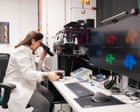
Cutting-edge microscope technology provides unprecedented resolution to uncover treatment breakthroughs for inflammatory bowel disease affecting millions worldw...
Revolutionary Microscope Technology Advances Inflammatory Bowel Disease Research
Scientists are increasingly optimistic that groundbreaking microscopy technology will unlock the mysteries of inflammatory bowel disease, a debilitating condition affecting millions globally. The innovative imaging system operates at ten times the resolution of standard microscopes, potentially enabling researchers to identify the underlying mechanisms responsible for this incurable ailment and develop targeted therapeutic interventions.
The prevalence of inflammatory bowel disease among younger demographics continues to rise at an alarming rate internationally. This concerning trend has motivated the medical and research communities to prioritize the development of advanced diagnostic and investigative tools capable of penetrating the complexity of these conditions.
Understanding the Scale of Inflammatory Bowel Disease in the United Kingdom
The United Kingdom faces a significant public health challenge related to inflammatory bowel disease. According to data from the British Society of Gastroenterology, over half a million individuals across the nation currently manage inflammatory bowel disease, representing a substantial portion of the population dealing with chronic gastrointestinal complications.
Inflammatory bowel disease encompasses multiple clinical presentations, with Crohn's disease and ulcerative colitis representing the two predominant forms of the condition. Both variants present patients with serious challenges, including chronic inflammation, pain, and compromised quality of life. The distinction between these forms is crucial for understanding disease progression and determining appropriate management strategies.
The Transformative Capabilities of 'Curie' Microscope Technology
The specialized microscope, designated as 'Curie,' represents a paradigm shift in biomedical imaging capabilities. Operating at magnifications and resolutions previously unattainable through conventional microscopy techniques, this instrument enables researchers to examine cellular and molecular structures at unprecedented levels of detail. The tenfold enhancement in resolution compared to traditional microscopes facilitates the observation of subtle pathological changes that conventional systems would inevitably overlook.
This enhanced visualization capacity addresses a fundamental challenge in inflammatory bowel disease research: the inability to directly observe the precise mechanisms triggering disease onset and progression. By providing detailed imagery of affected tissues and cellular interactions, the microscope creates opportunities for identifying previously unknown therapeutic targets and developing novel treatment approaches.
Implications for Future Treatment Development
Researchers anticipate that insights derived from 'Curie' microscope observations will catalyze significant advances in therapeutic development for inflammatory bowel disease patients. The identification of specific molecular pathways and cellular abnormalities responsible for disease manifestation could enable the design of targeted medications with greater efficacy and potentially fewer adverse effects than current treatment options.
The potential for discovering new treatments represents hope for millions of individuals worldwide who experience the daily burden of inflammatory bowel disease symptoms. Current management strategies often focus on symptom control rather than disease resolution, leaving patients requiring lifelong medical intervention and adaptation to chronic health limitations.
Global Impact and Research Momentum
The increasing global prevalence of inflammatory bowel disease underscores the urgency of advancing research initiatives and investigative technologies. Young people, in particular, face the prospect of managing these incurable conditions for decades, making therapeutic breakthroughs essential for improving long-term health outcomes and quality of life.
The deployment of advanced microscope technology like 'Curie' reflects the scientific community's commitment to addressing major gastrointestinal health challenges. By combining innovative imaging capabilities with rigorous research methodology, investigators position themselves to make meaningful contributions to understanding and ultimately treating inflammatory bowel disease more effectively.