

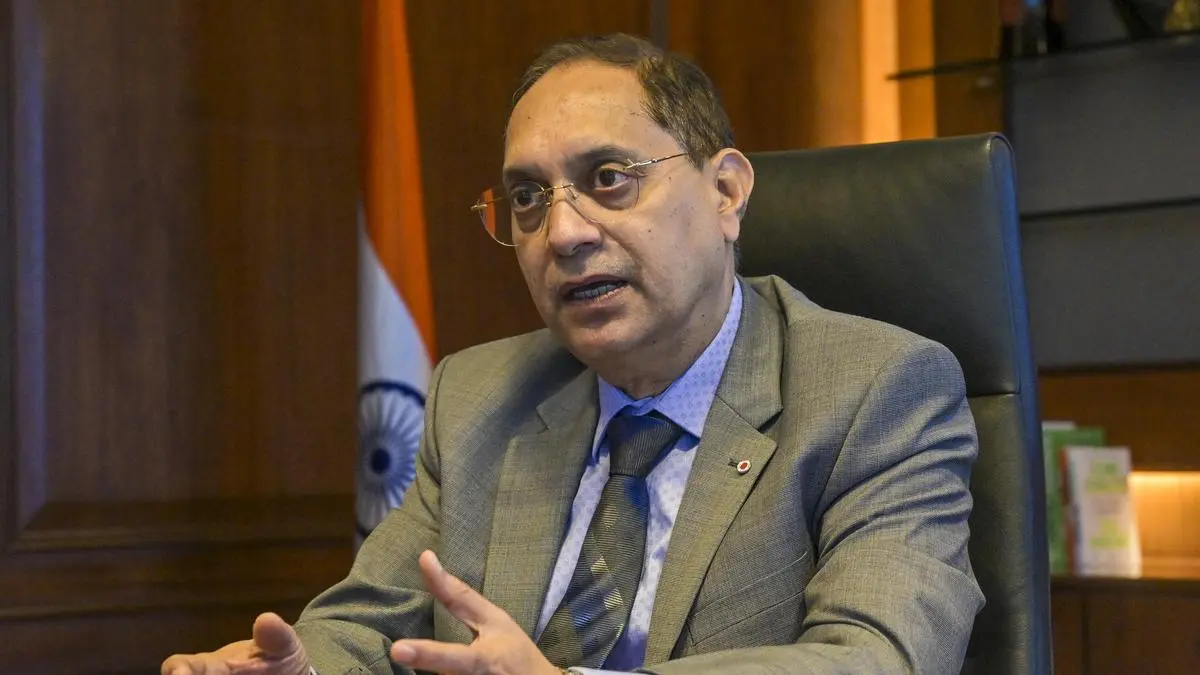
SEBI (Securities and Exchange Board of India) chief, Ajay Tyagi, recently addressed the market concerns and upcoming board discussions by highlighting the importance of stability in derivatives policy. In a time of unprecedented uncertainty and volatility in the financial markets, his words carry immense significance.
Derivatives are financial instruments that derive their value from an underlying asset such as stocks, commodities, or currencies. They play a crucial role in hedging risks and providing liquidity to the markets. However, if not regulated properly, they can also lead to excessive speculation and market manipulation. This is where the role of SEBI comes into play.
Mr. Tyagi, while speaking at a virtual conference organized by the National Institute of Securities Markets, stressed on the need for stability in derivatives policy. He acknowledged the concerns raised by market participants regarding the frequent changes in regulations and policies pertaining to derivatives. He stated that SEBI is committed to maintaining a stable and predictable environment for the derivatives market.
The SEBI chief also mentioned that the board will soon discuss the review of the framework for derivatives trading. This review is expected to address the concerns related to the eligibility criteria for stocks to be included in the derivatives segment, margin requirements, and position limits for market participants.
The stability of the derivatives policy is crucial for the development and growth of the Indian financial market. It not only provides a level playing field for all participants but also ensures a transparent and fair trading environment. The regulatory framework for derivatives should be dynamic enough to adapt to changing market conditions, but at the same time, it should also provide a stable and predictable environment for market participants.
SEBI has taken several initiatives in recent years to strengthen the derivatives market. In 2019, it introduced the concept of physical settlement for stock derivatives, which has helped in reducing the volatility in stock prices during expiry. It has also increased the minimum contract size for derivatives trading, which has reduced the impact of small trades on the overall market.
The SEBI chief also emphasized the need for market participants to adhere to the risk management practices prescribed by the regulator. He stated that SEBI will continue to monitor the market closely and take necessary actions to prevent any potential risks.
In the wake of the COVID-19 pandemic, the Indian financial market has faced unprecedented challenges. During such times, the stability of the derivatives market becomes even more critical. Mr. Tyagi reassured that SEBI is closely monitoring the market and is ready to take swift measures, if required, to maintain stability and protect the interests of investors.
The derivatives market has shown tremendous growth in recent years and has become an integral part of the Indian financial system. It has provided an avenue for investors to manage their risks and earn attractive returns. The stability of the derivatives market is crucial for maintaining investor confidence and attracting more investments into the market.
The SEBI chief’s emphasis on stability in derivatives policy is a positive sign for the market. It shows the regulator’s commitment to creating a conducive environment for market participants and ensuring the healthy growth of the derivatives market. The upcoming board discussions will provide an opportunity to further strengthen the regulatory framework and address any existing concerns.
In conclusion, the stability of derivatives policy is of utmost importance for the Indian financial market, and SEBI’s chief has rightly highlighted this in his recent address. The regulator’s efforts to strike a balance between flexibility and stability in the derivatives market are commendable. It is imperative for all stakeholders to work together to maintain this stability and continue the growth trajectory of the Indian financial market.