

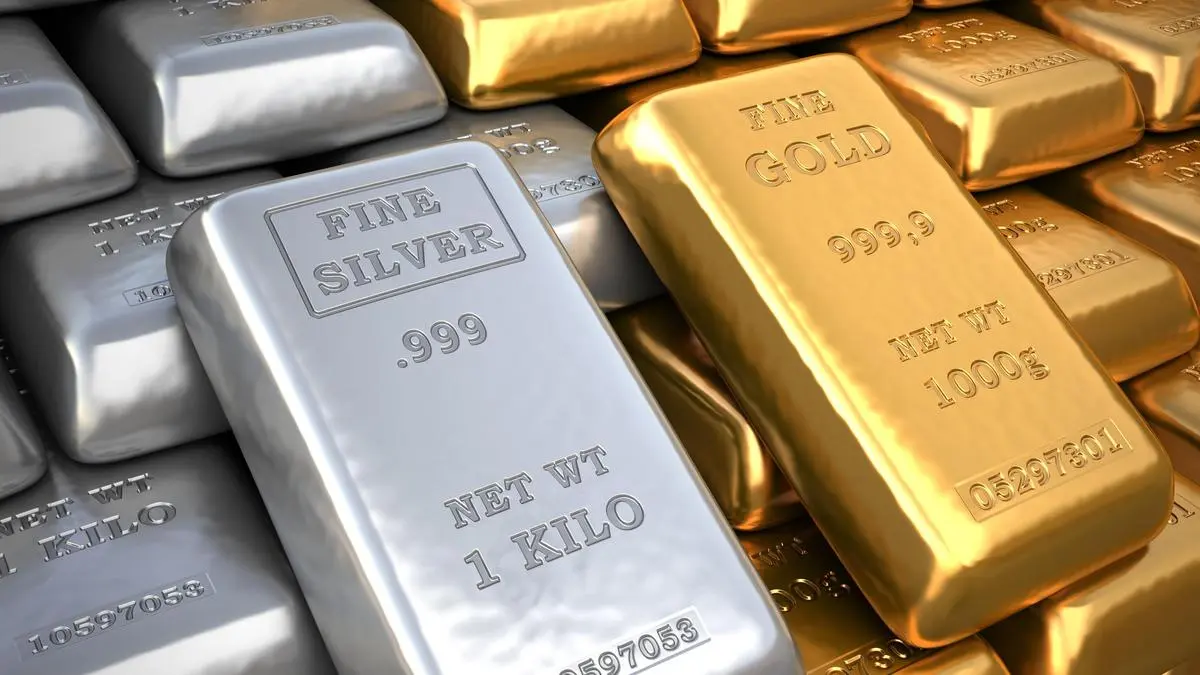
In recent years, the world has been facing an increasing number of geopolitical crises. From trade wars to political conflicts, these global events have caused uncertainty and volatility in financial markets, leading investors to seek safe-haven assets. Among these assets, gold and silver have proven to be the most attractive as they often hold their value in times of crisis. As a result, the escalating geopolitical crisis has revived the demand for these precious metals.
Gold, often referred to as the “ultimate store of value”, has been a symbol of wealth and prosperity for centuries. Its unique properties, such as being scarce and easily divisible, have made it a popular choice for investors looking to protect their wealth during times of economic and political instability. Silver, also known as “poor man’s gold”, is another precious metal that has been gaining traction as a safe-haven asset in recent years. Its industrial applications and affordability make it an attractive alternative to gold for investors.
The current geopolitical landscape has created a perfect storm for gold and silver as safe-haven assets. The trade war between the world’s two largest economies, the United States and China, has caused a ripple effect on global markets. The uncertainty and unpredictability of the situation have led investors to seek shelter in gold and silver, driving up their prices. Similarly, the ongoing political conflicts in the Middle East and Europe have also added to the market volatility, further increasing the demand for these precious metals.
Moreover, the recent outbreak of the COVID-19 pandemic has brought the global economy to a screeching halt, causing widespread panic among investors. In such tumultuous times, gold and silver have once again proven their worth as safe-haven assets. As stock markets plunged and currencies devalued, the demand for these precious metals soared. According to the World Gold Council, the demand for gold increased by 22% in the first quarter of 2020 compared to the same period last year.
The rise in demand for gold and silver has not only been driven by the escalating geopolitical crisis but also by the actions of central banks around the world. In an effort to revive their struggling economies, central banks have been lowering interest rates and implementing quantitative easing measures, which have the potential to devalue fiat currencies. This has further strengthened the appeal of gold and silver as a safe-haven, as they are not affected by changes in interest rates and can retain their value in the long run.
In addition to being a safe-haven asset, gold and silver also serve as a hedge against inflation. As governments and central banks continue to inject trillions of dollars into the economy, the fear of inflation has grown among investors. History has shown that during times of inflation, the value of gold and silver tends to rise, making them a valuable addition to any investment portfolio.
The revival of the demand for gold and silver has not only been limited to investors but also to everyday consumers. The global pandemic has caused disruptions in the supply chain, leading to shortages of essential goods and services. This has resulted in a surge in the demand for physical gold and silver, as people look for tangible assets that will retain their value in times of crisis.
In conclusion, the escalating geopolitical crisis has revived the demand for gold and silver as safe-haven assets. With their historical track record of retaining value during times of uncertainty and volatility, these precious metals have become an essential part of any well-diversified portfolio. As the world continues to navigate through the current crises, the demand for gold and silver is expected to remain strong, making them a safe haven for investors seeking stability and security for their wealth.