

Electricity is an essential component of our daily lives, powering our appliances, devices, and industries. As our reliance on electricity continues to grow, so does the demand for it. However, a key watchdog has recently issued a warning that the outlook for electric grid reliability in North America is worsening.
According to the North American Electric Reliability Corporation (NERC), the demand for electricity is expected to outpace supply in the years ahead. In its annual Long-Term Reliability Assessment, NERC highlighted the growing demand from new data centers and other large loads as the main reason for this concern.
The rise of data centers, which store and process large amounts of data for various industries, has been fueled by the increased use of cloud computing and the internet of things (IoT). These facilities require a significant amount of electricity to operate, and their numbers are expected to increase significantly in the coming years. In addition, other large loads, such as electric vehicles and cryptocurrency mining, are also contributing to the growing demand for electricity.
According to NERC, the projected demand growth for electricity in North America is about 2% per year. This may not seem like a significant increase, but it can have a significant impact on the reliability of the electric grid. As demand outpaces supply, there is a risk of blackouts and other disruptions to the grid.
To prevent such scenarios from happening, NERC has identified several areas that need immediate attention. These include increasing energy efficiency, incorporating more renewable energy sources, and investing in new infrastructure. NERC also stressed the need for a collaborative effort between government entities, utilities, and other stakeholders to address this issue.
One of the primary solutions proposed by NERC is the integration of more renewable energy sources into the grid. Renewable energy, such as wind and solar, is becoming increasingly cost-competitive and is a crucial step towards reducing our reliance on fossil fuels. By incorporating more renewable energy, we can decrease our carbon footprint and ensure a more sustainable energy future.
Energy efficiency is another critical aspect that needs to be addressed. By promoting energy-efficient practices and technologies, we can reduce the overall demand for electricity. This can be achieved through measures such as building codes, appliance standards, and energy conservation programs. Encouraging individuals, businesses, and industries to adopt energy-saving practices can go a long way in ensuring grid reliability.
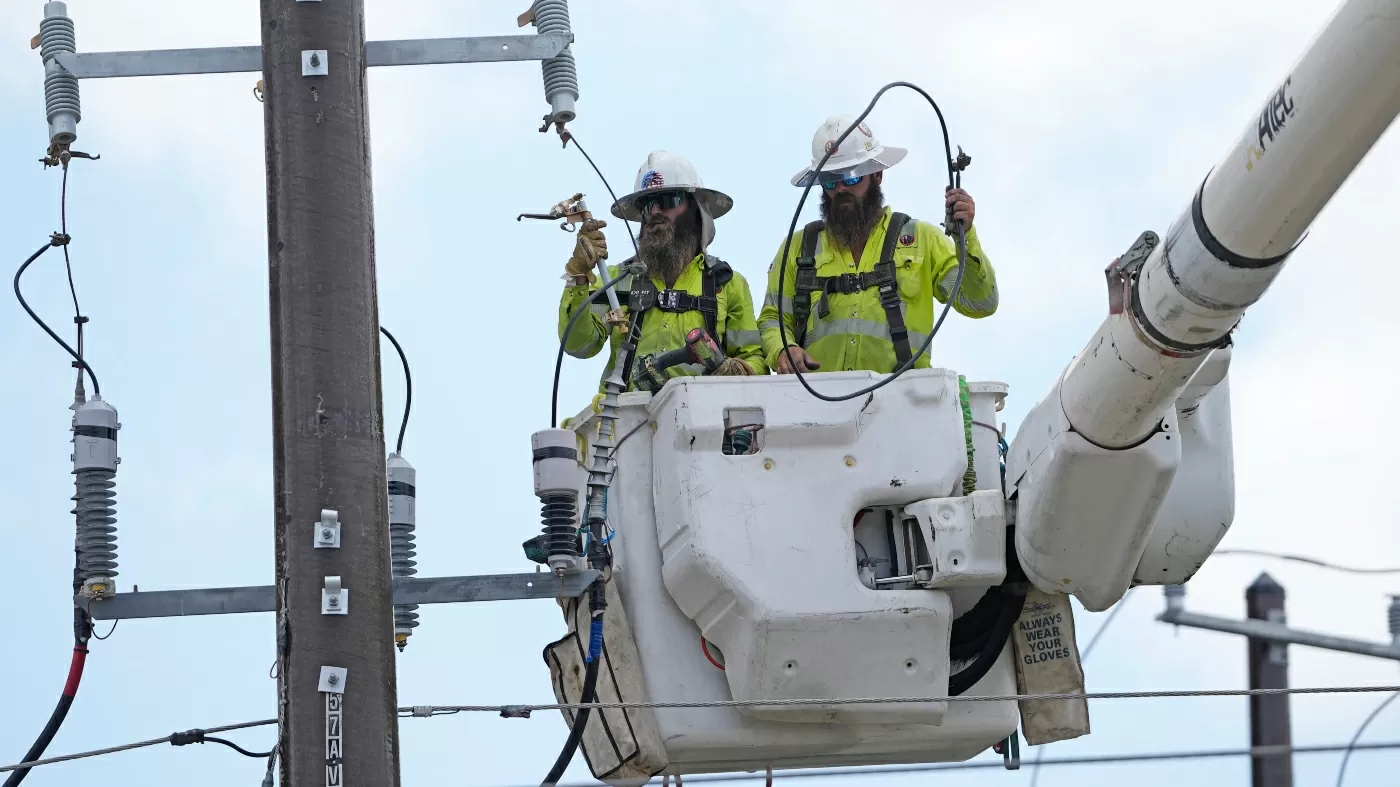
In addition, NERC highlighted the need for investing in new infrastructure to meet the growing demand for electricity. This includes building new transmission lines and upgrading existing ones to improve the flow of electricity across the grid. It also involves modernizing the grid with advanced technologies such as energy storage systems, smart meters, and control systems.
As concerning as NERC’s warning may sound, it also presents an opportunity for growth and innovation in the energy sector. The increasing demand for electricity can drive investment in renewable energy, energy efficiency, and new infrastructure. This, in turn, can create new jobs and economic growth while reducing our carbon footprint.
Moreover, NERC’s report also emphasizes the importance of collaboration and coordination among all stakeholders. The responsibility of ensuring grid reliability falls on government entities, utilities, and consumers alike. By working together and implementing NERC’s recommendations, we can ensure a reliable and sustainable electric grid for the future.
It’s also worth noting that NERC’s assessment is based on a long-term outlook. This means that there is still time to address the potential issues and implement solutions. However, it also means that we must act now to prevent future energy crises.
In conclusion, the outlook for electric grid reliability in North America is a cause for concern, but it is not a lost cause. With strategic planning and collaborative efforts, we can overcome this challenge and ensure a reliable and sustainable energy future for generations to come. Let’s take NERC’s warning as a call to action and work towards a better tomorrow.