

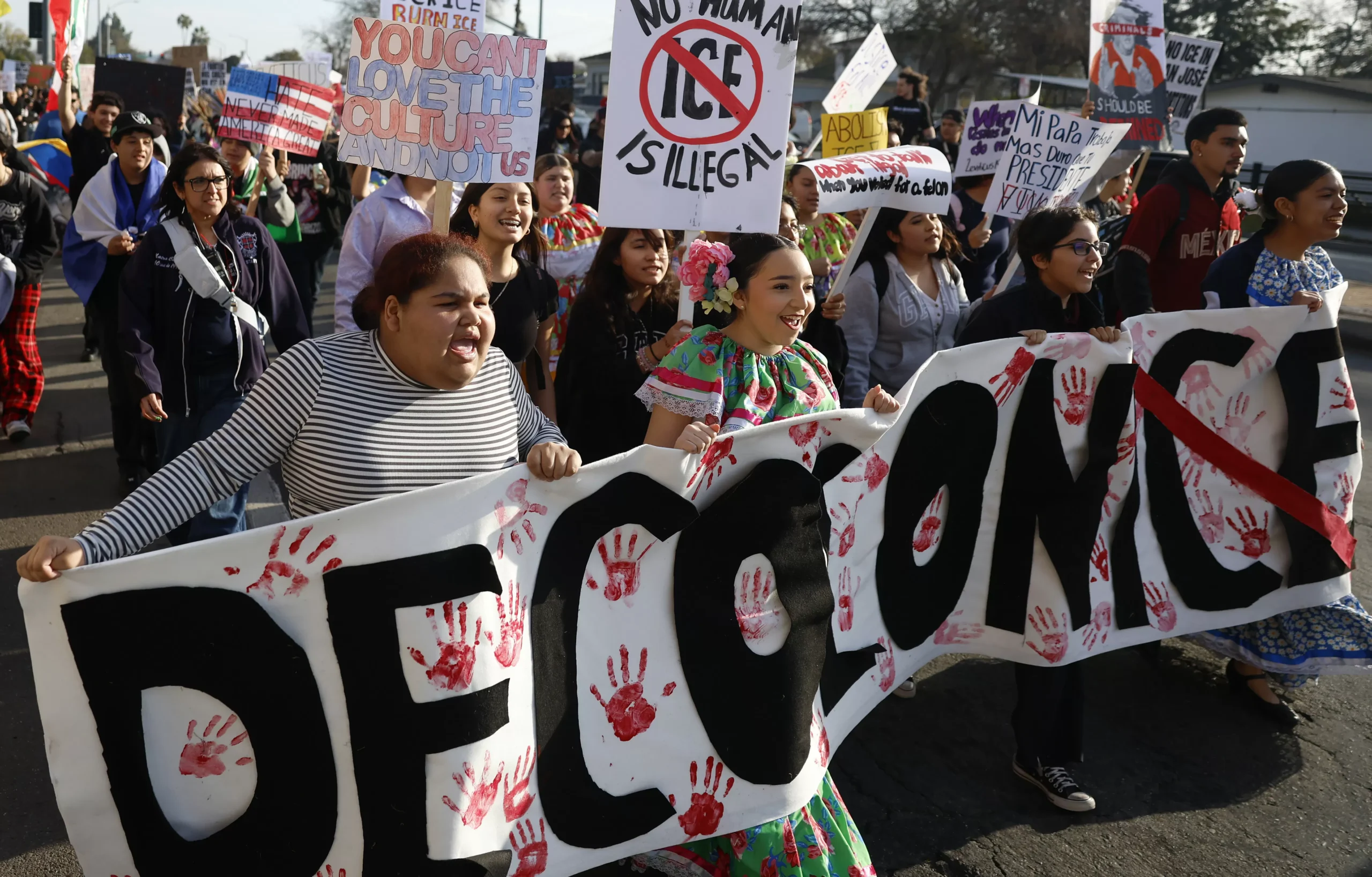
“What’s happening with ICE right now is not right at all,” one student said. These words echo the sentiments of many students and citizens across the United States as the Immigration and Customs Enforcement (ICE) agency continues to make headlines for its controversial actions. The recent events surrounding ICE have sparked a nationwide debate on immigration policies and have left many questioning the morality and ethics of the agency’s actions.
ICE, a federal agency under the Department of Homeland Security, is responsible for enforcing immigration laws and protecting the country from cross-border crime and illegal immigration. However, in recent years, ICE has come under fire for its aggressive tactics and treatment of immigrants, especially those who are undocumented.
One of the most controversial actions of ICE is the practice of separating families at the border. Under the Trump administration’s “zero tolerance” policy, thousands of children were separated from their parents and placed in detention centers. This sparked outrage and condemnation from both the public and political leaders, leading to a change in policy. However, the damage had already been done, and the trauma inflicted on these families cannot be undone.
Furthermore, ICE has been accused of using excessive force and violating the rights of immigrants during raids and arrests. There have been numerous reports of ICE agents using aggressive tactics, such as breaking down doors and detaining individuals without proper warrants. These actions have caused fear and anxiety among immigrant communities, who are already living in constant fear of deportation.
The treatment of immigrants in detention centers has also been a cause for concern. Reports of inhumane conditions, lack of access to medical care, and even deaths in these facilities have raised serious questions about the agency’s accountability and responsibility towards those in their custody. The recent COVID-19 pandemic has only exacerbated these issues, with reports of inadequate measures being taken to protect detainees from the virus.
The actions of ICE have also had a significant impact on students and their families. Many students who are undocumented or have family members who are undocumented live in constant fear of being separated from their loved ones. This fear and uncertainty can have a detrimental effect on their mental health and academic performance. Additionally, the constant threat of deportation can discourage students from pursuing higher education or participating in extracurricular activities, hindering their personal and professional growth.
The current state of affairs with ICE is not only a humanitarian crisis but also a violation of basic human rights. The agency’s actions go against the values of compassion, empathy, and inclusivity that the United States stands for. As a nation built by immigrants, it is our responsibility to ensure that everyone, regardless of their immigration status, is treated with dignity and respect.
It is heartening to see that many students are speaking out against the injustices committed by ICE. They are using their voices to raise awareness and demand change. As future leaders of this country, it is essential for students to be informed and engaged in issues that affect their communities. Their activism and advocacy are crucial in bringing about meaningful change and holding those in power accountable.
The recent protests and calls for defunding or abolishing ICE have sparked a much-needed conversation about immigration policies in the United States. It is time for the government to listen to the voices of its citizens and take action to reform the agency. This includes implementing policies that prioritize the well-being and rights of immigrants, providing a pathway to citizenship for undocumented individuals, and holding ICE accountable for its actions.
In conclusion, what is happening with ICE right now is not right at all. The agency’s actions have caused immense harm and suffering to countless individuals and families. It is time for us, as a society, to stand up against these injustices and demand change. We must strive towards a more compassionate and inclusive society, where everyone is treated with dignity and respect, regardless of their immigration status. As students, we have the power to make a difference, and it is up to us to use our voices to create a better future for all.