

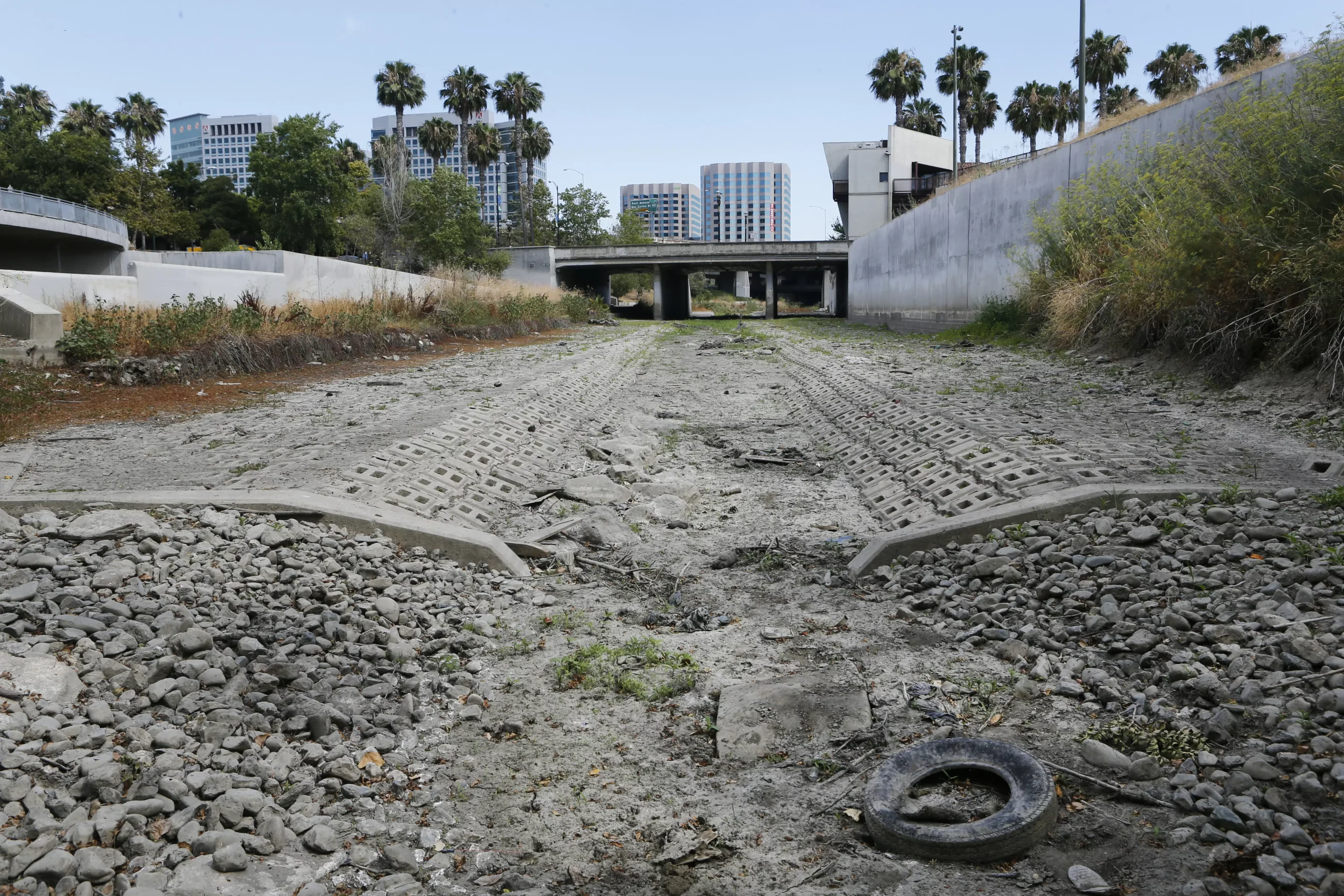
As the world continues to face the consequences of climate change, water scarcity has become a major concern for many countries. In recent years, severe droughts have become more frequent and have led to water shortages, affecting millions of people and causing significant economic and environmental damage. In order to combat this issue, innovative solutions such as reservoirs, groundwater banking, and recycled water are being implemented to reduce water shortages during severe droughts.
Reservoirs have been used for centuries to store water for various purposes, including irrigation, drinking water, and hydropower. These man-made structures are built to capture and store rainwater or water from rivers and streams, which can then be used during periods of drought. In addition to providing a reliable source of water, reservoirs also help to regulate water flow, preventing floods during heavy rainfall and ensuring a steady supply during dry periods.
One such example is the Hoover Dam, which was built in the 1930s on the Colorado River in the United States. This massive structure not only provides water to millions of people in the surrounding areas but also generates electricity for several states. Similarly, the Three Gorges Dam in China is the world’s largest hydroelectric power station and has helped to mitigate water shortages in the region.
Groundwater banking is another effective method of storing water for future use. It involves the intentional recharge of groundwater aquifers during times of excess water supply, which can then be extracted during times of drought. This process mimics the natural water cycle and helps to replenish depleted aquifers, making it a sustainable solution for long-term water management.
The Orange County Water District in California, USA, has implemented a successful groundwater banking program. They capture excess water during wet years and store it in underground aquifers, which can then be pumped out during dry periods. This has helped to reduce water shortages in the region and provide a reliable source of water for the community.
Recycled water, also known as reclaimed water, is another solution that is gaining popularity in the fight against water scarcity. This process involves treating wastewater to a level that is safe for non-potable uses such as irrigation, industrial processes, and groundwater recharge. By recycling water, countries can reduce their dependence on freshwater sources and ensure a sustainable water supply for their growing populations.
One of the most successful examples of recycled water is the Singapore NEWater project. This initiative has transformed Singapore from a water-stressed nation to a leader in water sustainability. The country now recycles and reuses almost 40% of its wastewater, providing a safe and reliable source of water for its citizens.
In addition to these large-scale solutions, individuals can also play a role in reducing water shortages during droughts. Simple actions such as fixing leaks, using water-efficient appliances, and practicing responsible water usage can make a significant impact in conserving water. Communities can also come together to implement rainwater harvesting systems, which can collect rainwater for household use and reduce the strain on freshwater sources.
In conclusion, reservoirs, groundwater banking, and recycled water are effective solutions that can help to reduce water shortages during severe droughts. These innovative methods not only provide a reliable source of water but also promote sustainable water management practices. However, it is important to remember that these solutions should be implemented alongside responsible water usage and conservation efforts. By working together, we can overcome water scarcity and ensure a secure water future for generations to come.