

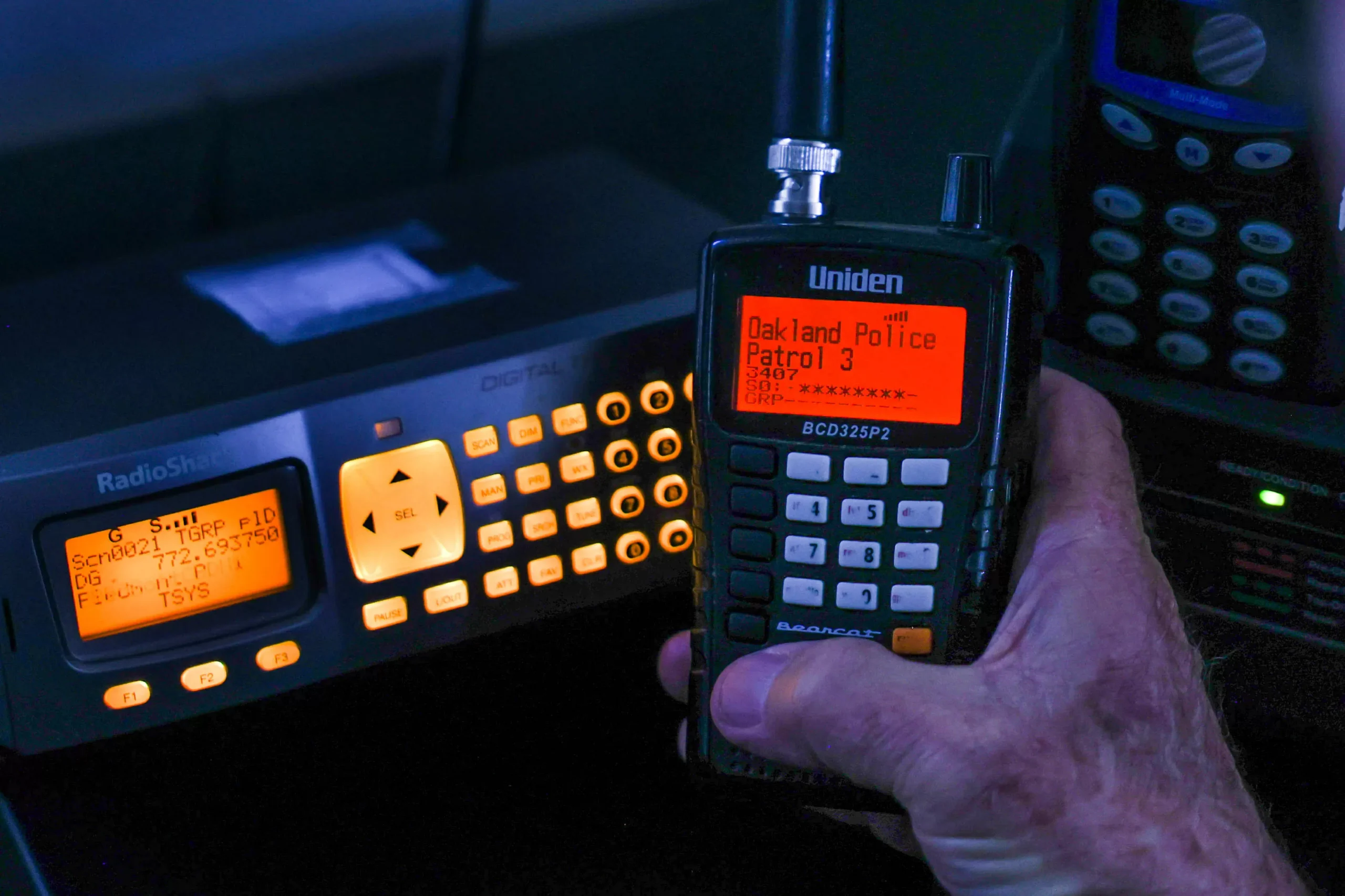
Encrypting scanners is a crucial step towards ensuring the safety and security of citizens. The Berkeley Police Department has taken a commendable decision to align with other law enforcement offices in the East Bay by encrypting their feeds. This move will not only benefit the department but also the community as a whole.
In October, several law enforcement agencies in the East Bay started encrypting their feeds, and now the Berkeley Police Department has joined the league. This move is a progressive step towards enhancing the efficiency and effectiveness of the department’s operations. With the increasing use of technology by criminals, it is vital for law enforcement agencies to stay ahead of them. Encrypting scanners is a significant step in that direction.
The decision to encrypt the feeds has been met with some criticism, with concerns raised about the public’s access to information. However, it is essential to understand that the encryption of scanners will not affect the department’s transparency. The Berkeley Police Department remains committed to providing the community with timely and accurate information. The encryption will not hinder the department’s ability to share information with the public; it will only ensure that sensitive information is not compromised.
One of the main advantages of encrypting scanners is the protection of sensitive information. With the use of unencrypted scanners, criminals can easily listen to police communications and gather crucial information. This puts officers’ lives at risk and can compromise ongoing investigations. By encrypting the feeds, the department can ensure that only authorized personnel have access to sensitive information. This will not only protect the officers but also help in maintaining the integrity of investigations.
Another benefit of encrypting scanners is the reduction of radio traffic. With unencrypted scanners, there is a lot of unnecessary chatter on the radio, which can be distracting for officers. By encrypting the feeds, the department can limit the radio traffic to only essential communications. This will not only improve the efficiency of officers but also reduce the chances of crucial information being missed due to excessive chatter.
The decision to encrypt scanners also aligns the Berkeley Police Department with other law enforcement agencies in the East Bay. This will improve coordination and communication between different departments during joint operations. It will also ensure that the Berkeley Police Department is on the same page as other agencies, making it easier to share information and work together towards a common goal of ensuring the safety and security of the community.
Moreover, encrypting scanners will also enhance the privacy of citizens. With unencrypted scanners, anyone can listen to police communications, including personal information about citizens. This can be a violation of privacy and can cause unnecessary panic among citizens. With encryption, the department can ensure that citizens’ personal information remains confidential and is not accessible to the general public.
The decision to encrypt scanners also reflects the department’s commitment to keeping up with technological advancements. Criminals are constantly finding new ways to exploit technology, and it is crucial for law enforcement agencies to stay ahead of them. By encrypting scanners, the Berkeley Police Department is taking a proactive approach in staying ahead of criminals and ensuring the safety of the community.
The encryption of scanners will also have a positive impact on the morale of officers. It will give them a sense of security, knowing that their communications are secure and cannot be intercepted by criminals. This will also improve their efficiency and productivity, ultimately leading to better service to the community.
In conclusion, the decision to encrypt scanners by the Berkeley Police Department is a commendable move towards ensuring the safety and security of the community. It will protect sensitive information, reduce radio traffic, align the department with other agencies, enhance privacy, and keep up with technological advancements. The department remains committed to transparency and providing timely and accurate information to the public. This step towards encryption is a positive and progressive move that will benefit the department and the community in the long run.