

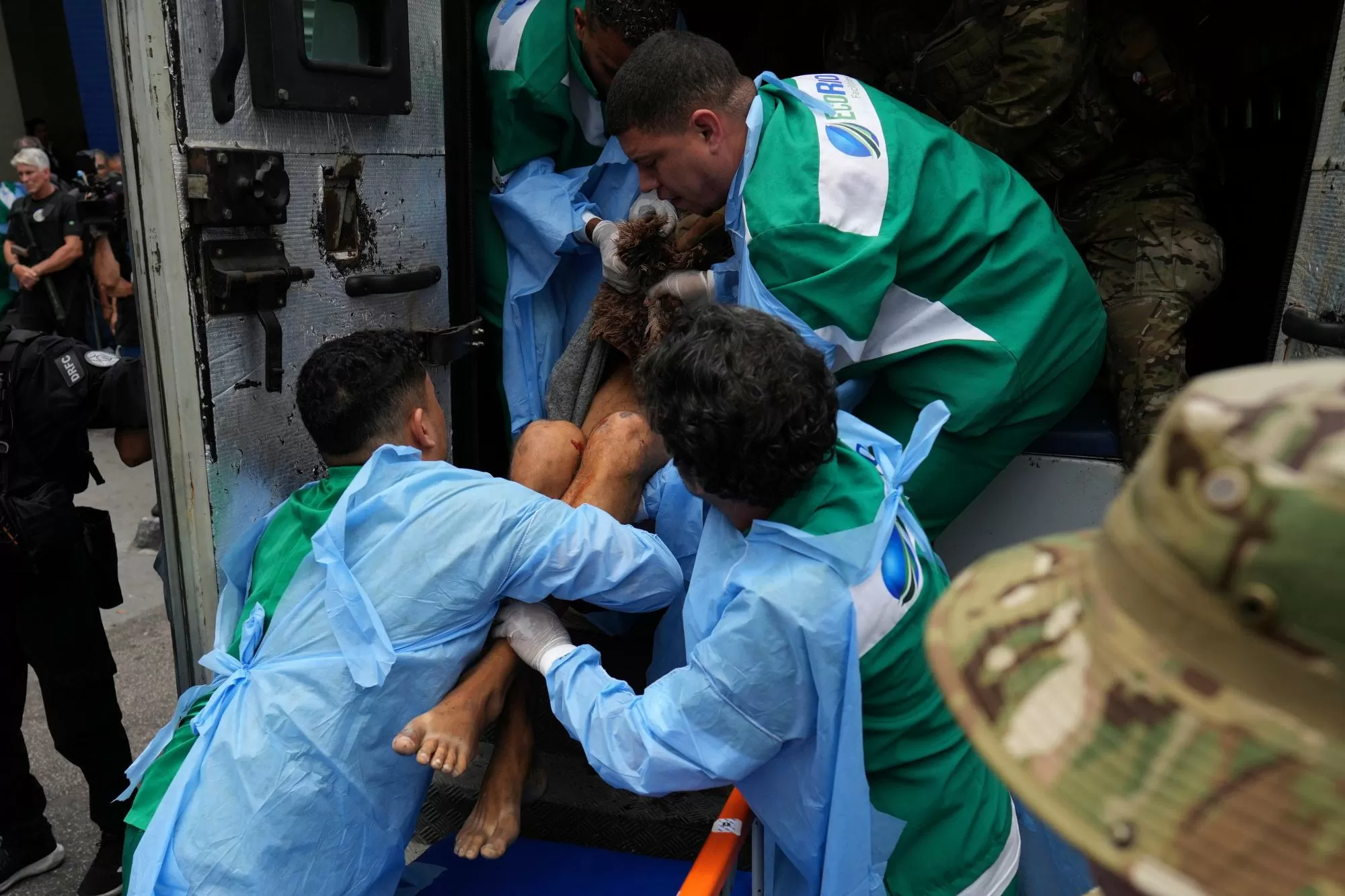
The recent police operation in Brazil has left a mark in the country’s history, and unfortunately, it is not a positive one. The operation, which took place in one of the favelas in Rio de Janeiro, has been described as one of the most violent in Brazil’s recent history. The use of excessive force and the number of casualties have raised concerns and sparked outrage among the citizens. This incident has once again brought to light the issue of police brutality in the country.
The operation, which was carried out by the Military Police, was aimed at cracking down on drug trafficking in the favela. However, the way it was conducted has raised questions about the methods used by the police. Eyewitnesses and residents of the favela reported that the police used heavy artillery, including helicopters and armored vehicles, to enter the community. The use of such weapons in a densely populated area has resulted in the death of several innocent civilians, including children.
The images and videos circulating on social media from the operation are disturbing and heartbreaking. They show the devastation caused by the police, with houses and buildings destroyed, and families left homeless. The residents of the favela, who are already living in poverty, have now lost everything they had. The trauma and fear they have experienced will stay with them for a long time.
The violence and excessive use of force by the police have been condemned by human rights organizations and activists. They have called for an independent investigation into the incident and for those responsible to be held accountable. The Brazilian government has also received criticism for its failure to address the issue of police brutality in the country. This incident is not an isolated one, and it reflects the systemic problem of violence and abuse of power by the police in Brazil.
The police have a crucial role in maintaining law and order in society. However, their actions should be within the boundaries of the law and respect human rights. The use of excessive force and violence only creates more problems and does not solve the root cause of the issue. The government needs to address the underlying problems in the favelas, such as poverty and lack of access to education and healthcare, which contribute to the rise of drug trafficking.
It is also essential for the police to be properly trained and equipped to handle such situations without resorting to violence. The use of non-lethal weapons and de-escalation tactics should be prioritized to avoid unnecessary casualties. The police should also work closely with the community to build trust and establish a positive relationship. This will not only help in preventing crime but also in creating a safer and more harmonious society.
The recent police operation in Brazil has once again highlighted the urgent need for police reform in the country. The government must take concrete steps to address the issue of police brutality and ensure that the police are held accountable for their actions. The citizens of Brazil deserve to feel safe and protected by the authorities, and it is the responsibility of the government to make that happen.
In conclusion, the recent police operation in Brazil has been a tragic and devastating event. The violence and excessive use of force have caused harm to innocent civilians and have raised concerns about the state of law enforcement in the country. It is time for the Brazilian government to take action and address the issue of police brutality. Only then can we hope for a safer and more just society for all.