

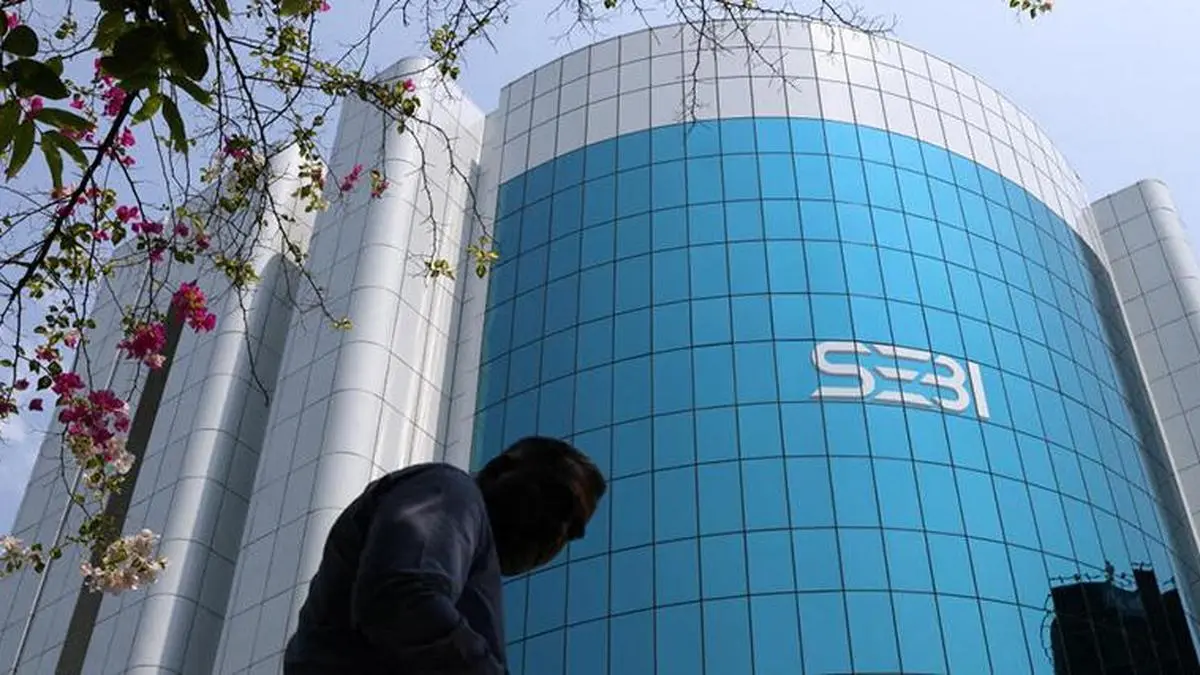
The financial world is constantly evolving, with new regulations and policies being implemented to ensure a fair and transparent system for all. In recent times, there has been a growing concern regarding the actions of exchanges when it comes to blocking pay-outs. To address this issue, the regulator has taken a significant step towards formalizing how exchanges act on directions from courts or agencies to block pay-outs. This move is set to bring much-needed clarity and accountability to the process, ultimately benefiting both investors and the financial system as a whole.
The role of exchanges in the financial market is crucial, as they act as intermediaries between buyers and sellers. They facilitate the buying and selling of securities, such as stocks and bonds, and ensure that the transactions take place smoothly and efficiently. However, with great power comes great responsibility, and it is essential for exchanges to act in the best interest of all parties involved.
In recent years, there have been instances where exchanges have been directed by courts or agencies to block pay-outs to investors. This could be due to various reasons, such as a court order in a legal dispute or a regulatory agency investigating potential fraud or misconduct. While this may be necessary to protect the interests of investors and maintain the integrity of the financial system, there have been concerns about the lack of formal guidelines for exchanges to follow in such situations.
To address these concerns, the regulator has announced its plans to formalize the process of how exchanges handle directions to block pay-outs. This move is a significant step towards bringing transparency and accountability to the process, ultimately benefiting all stakeholders in the financial market.
One of the key aspects of the regulator’s plan is to establish clear and comprehensive guidelines for exchanges to follow when they receive directions to block pay-outs. These guidelines will outline the steps that exchanges need to take, the timelines they need to adhere to, and the factors they need to consider before making a decision. This will ensure that exchanges act in a fair and consistent manner, and investors can have confidence in the process.
Moreover, the regulator aims to establish a robust monitoring and reporting system to ensure that exchanges comply with the guidelines. This will not only hold exchanges accountable for their actions but also provide investors with a channel to voice their concerns if they feel that their pay-outs have been unjustly blocked. This will bring much-needed transparency to the process and build trust among investors.
The move to formalize how exchanges act on directions to block pay-outs is a welcome step towards a more transparent and accountable financial system. It will also bring India in line with international best practices, as many developed countries have similar guidelines in place. This will not only boost investor confidence but also strengthen the country’s position as a global financial hub.
Additionally, the regulator’s move will also benefit exchanges themselves. By providing clear guidelines, the regulator is setting a level playing field for all exchanges, eliminating any scope for ambiguity or unfair practices. This will ultimately foster healthy competition and drive exchanges to improve their processes and services, benefiting investors in the long run.
In conclusion, the regulator’s move to formalize how exchanges act on directions to block pay-outs is a significant step towards bringing transparency, accountability, and fairness to the process. It will benefit all stakeholders in the financial market and strengthen the country’s position as a global financial hub. As we move towards a more regulated and transparent financial system, we can be confident that our investments are in safe hands.