

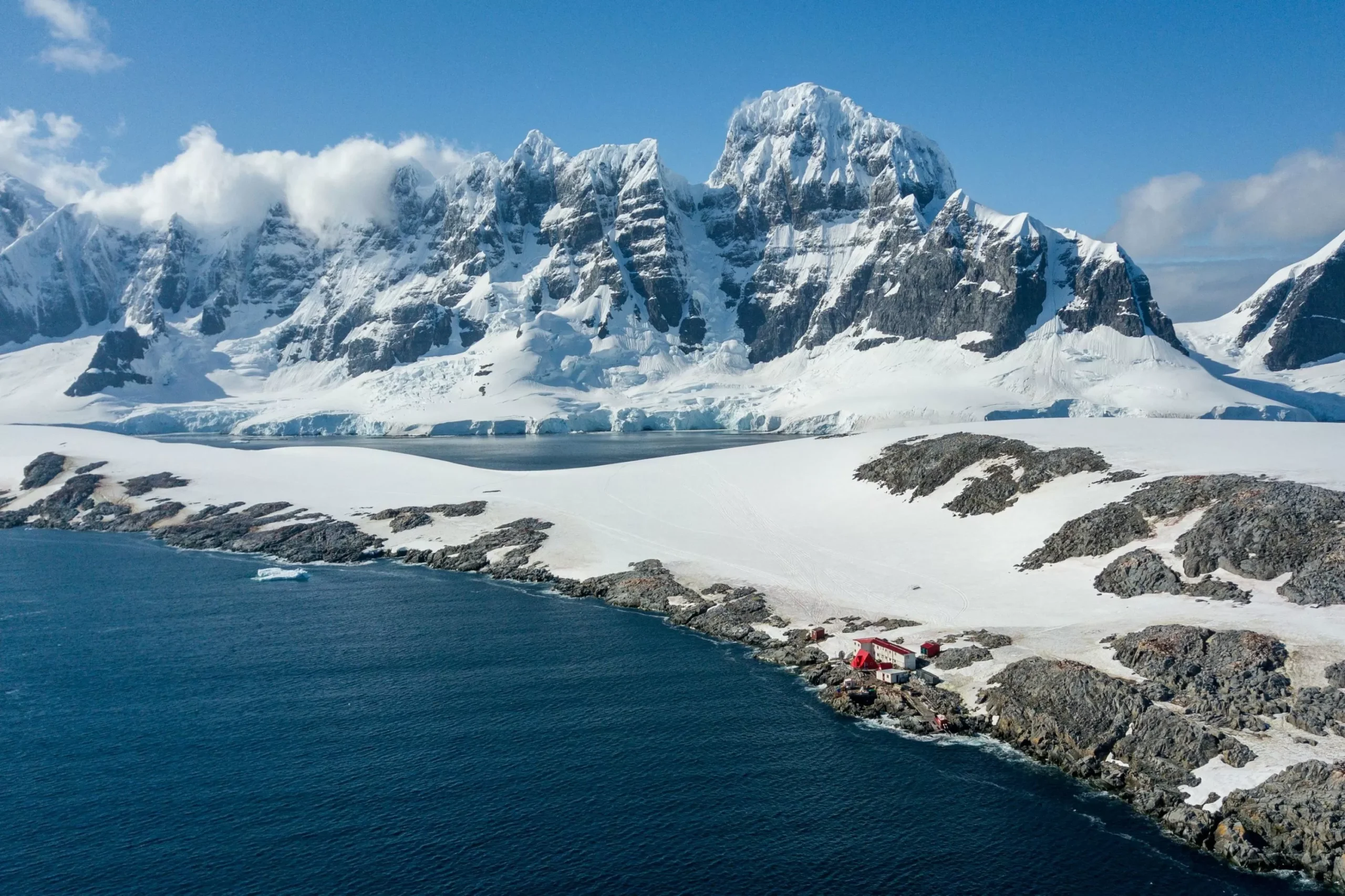
Antarctica, the frozen continent at the bottom of the world, has long been known as one of the most pristine and untouched places on Earth. However, recent reports have raised concerns about the increasing number of tourists and expanding research projects, leading to pollution in this fragile environment. Scientists have issued a warning about the detrimental impact of human activity on Antarctica, urging for immediate action to protect this unique ecosystem.
Antarctica, often referred to as the “Last Continent”, has been a source of fascination and curiosity for many people around the world. Its vast, icy landscape is home to a diverse range of wildlife, including penguins, seals, whales, and other species found nowhere else on the planet. For decades, scientists have been conducting research in this remote region, providing valuable insights into the Earth’s history and understanding of climate change.
However, in recent years, the number of tourists visiting Antarctica has increased significantly. The International Association of Antarctica Tour Operators reported that over 56,000 tourists visited Antarctica during the 2018-2019 season, a 53% increase from the previous year. This trend is expected to continue in the coming years, with many tour companies offering luxury cruises and expeditions to experience the untouched beauty of Antarctica.
While tourism can bring economic benefits to the region, it also comes with a significant environmental cost. The increasing number of tour ships along the Antarctic coastline has led to the release of pollutants into the pristine waters, threatening the delicate marine ecosystem. Cruise ships also discharge waste, including sewage, into the ocean, contaminating the water and causing harm to marine life.
In addition to tourism, the growing number of research projects in Antarctica is also contributing to pollution in the region. While scientific research is crucial for understanding and protecting this unique ecosystem, it also generates waste and pollution. The use of fossil fuels in research stations and the disposal of hazardous materials have a significant impact on the environment and wildlife.
Scientists warn that the combined impact of tourism and research activity is causing irreparable damage to Antarctica. The continent’s delicate ecosystem is already facing the effects of climate change, and pollution further exacerbates the situation. The melting of ice shelves, loss of sea ice, and changes in ocean temperatures are all consequences of human activity in this remote region.
It is essential to take immediate action to protect Antarctica and preserve its pristine environment for future generations. Governments, tour operators, and research institutions must work together to implement strict regulations and guidelines for human activity in Antarctica. This includes limiting the number of tourists and enforcing strict waste management practices on tour ships and research stations.
Tourists also have a crucial role to play in protecting Antarctica. It is essential to educate visitors about the fragile nature of this region and the impact of their actions on the environment. Responsible tourism practices, such as choosing eco-friendly tour operators and following guidelines for waste disposal, can go a long way in reducing pollution in Antarctica.
Furthermore, research projects must prioritize sustainability and adopt greener practices. Alternative energy sources and waste management strategies can significantly reduce the ecological footprint of research activities in Antarctica. It is also crucial to monitor the impact of research projects on the environment and take necessary measures to mitigate any negative effects.
The recent warning from scientists is a wake-up call for all of us to take action to protect Antarctica. This continent is not just a tourist destination or a site for research, but a fragile ecosystem that must be preserved for its unique biodiversity and scientific significance. Let us all come together to protect Antarctica and ensure that it remains a symbol of untouched beauty for generations to come.