

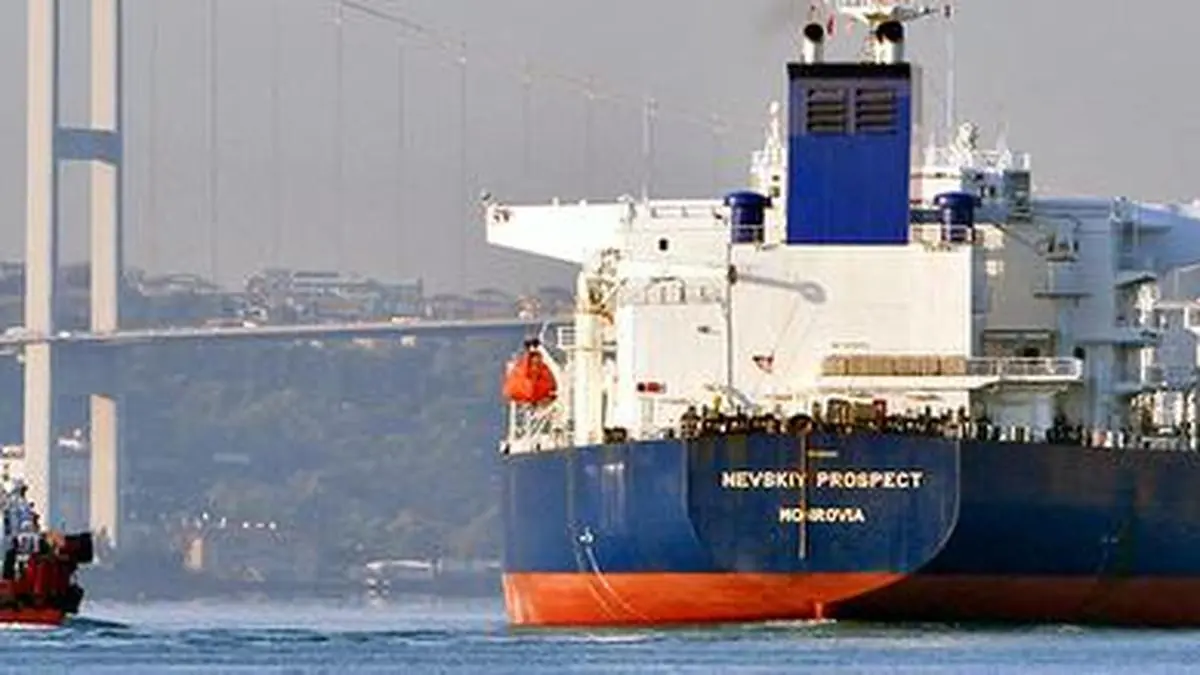
In a recent announcement, President Donald Trump has issued a stern warning to countries that continue to buy oil from Russia. The US President has threatened to impose heavy tariffs and penalties on these countries for their continued reliance on Russian oil. This has resulted in a major shift in the Indian oil market, with refiners now turning to Middle Eastern and West African suppliers.
President Trump’s warning comes at a time when the US is pushing for its allies to reduce their dependence on Russian energy resources. The US and Russia have been at odds over various political and economic issues, and the recent sanctions imposed by the US on Russia have only exacerbated the tensions between the two countries.
India, which is one of the largest importers of oil in the world, has been heavily reliant on Russian oil in the past. However, the recent warnings from President Trump have prompted Indian refiners to diversify their sources of oil. The shift towards Middle Eastern and West African suppliers is a strategic move by India in response to the increasing pressure from the US.
The Indian government has taken a proactive approach to ensure the country’s energy security by diversifying its oil sources. This move not only reduces India’s reliance on Russian oil but also strengthens its ties with other oil-producing countries. This is a positive step towards creating a more balanced and sustainable energy market for India.
The shift towards Middle Eastern and West African suppliers is also beneficial for India in terms of cost. These regions are known for their competitive prices and high-quality oil, which will result in significant cost savings for the Indian refiners. This will also have a positive impact on the Indian economy, as it will help to reduce the import bill and boost the country’s foreign exchange reserves.
Moreover, the move towards these new suppliers will also open up new avenues for trade and investment between India and these regions. This will not only benefit the oil industry but also have a ripple effect on other sectors of the economy, creating new opportunities for growth and development.
The Indian government has also been actively promoting renewable energy sources, and this shift towards other oil suppliers aligns with their long-term goal of reducing the country’s carbon footprint. By diversifying its oil sources, India is taking a step towards a more sustainable and greener energy future.
Additionally, this strategic move by India sends a strong message to the international community that the country is not solely dependent on any one country for its energy needs. This will not only boost India’s image as a major player in the global energy market but also strengthen its position in international negotiations and discussions.
In conclusion, President Trump’s warning of heavy tariffs and penalties for countries buying oil from Russia has prompted India to diversify its oil sources to Middle Eastern and West African suppliers. This move not only reduces India’s reliance on Russian oil but also has multiple benefits, including cost savings, strengthening of ties with other countries, and promoting a more sustainable energy future. It is a strategic and positive step taken by India towards ensuring its energy security and promoting a more balanced and competitive global energy market.