
India, a major buyer of Russian oil, has long enjoyed a strong and stable relationship with the Kremlin. However, recent developments have left the country feeling blindsided and uncertain about the future of this partnership. Both Washington and Brussels have taken a more aggressive approach towards Russia, leaving India in a difficult position as it navigates its energy needs and geopolitical alliances.
For years, India has relied on Russian oil to fuel its growing economy. In fact, Russia is the second-largest supplier of crude oil to India, accounting for around 15% of its total imports. This close energy relationship has been mutually beneficial, with Russia gaining a reliable market for its oil and India securing a steady supply of energy to power its industries.
However, the dynamics of this relationship have shifted in recent times. The United States, under the leadership of President Joe Biden, has taken a tougher stance towards Russia, imposing sanctions and threatening further action over issues such as human rights violations and election interference. This has put India in a difficult position, as it tries to balance its strategic partnership with the US while also maintaining its energy ties with Russia.
Similarly, the European Union has also adopted a more confrontational approach towards Russia, imposing sanctions and criticizing its actions in Ukraine and Syria. This has added to India’s dilemma as it tries to maintain its strong economic ties with the EU while also keeping its energy supply from Russia intact.
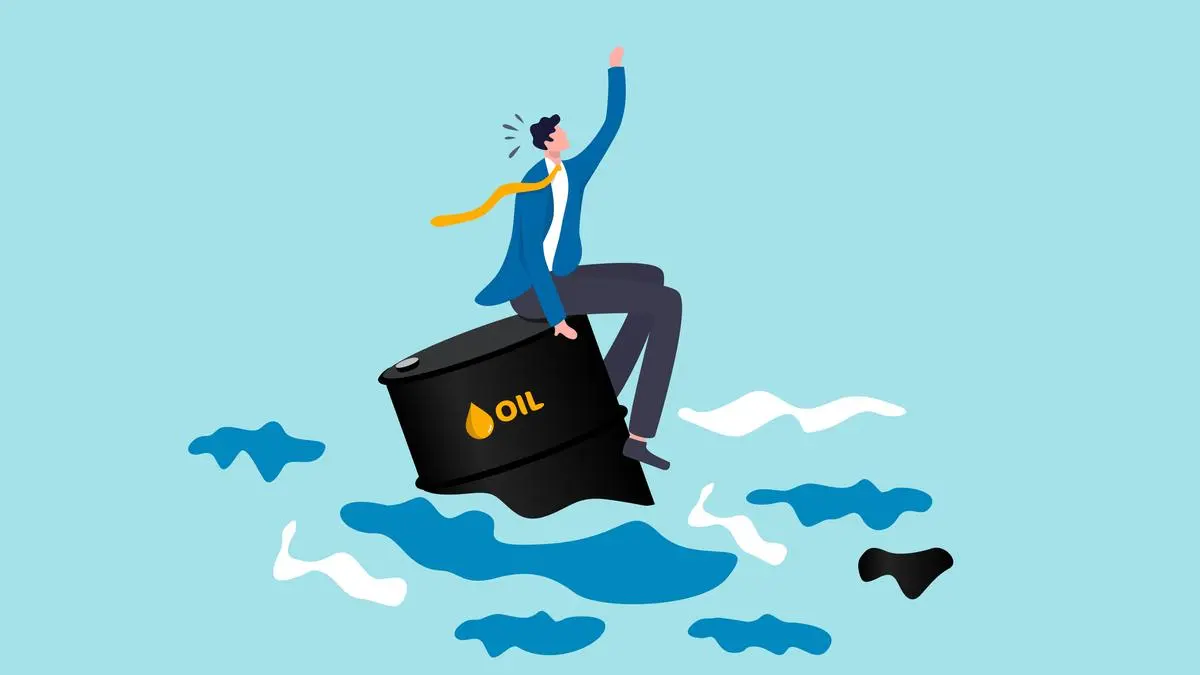
The situation has been further complicated by the fact that India is currently facing a surge in energy demand due to its rapid economic growth. This has led to an increase in oil imports, making it even more reliant on Russian oil. At the same time, India is also looking to diversify its energy sources and reduce its dependence on any one country. This has led to the country exploring alternative options such as increasing imports from the Middle East and investing in renewable energy.
Despite these challenges, India remains committed to its partnership with Russia. The two countries have a long history of cooperation in various fields, including defense, space, and nuclear energy. The recent visit of Russian Foreign Minister Sergey Lavrov to India further highlighted the strong ties between the two nations, with discussions on expanding cooperation in various sectors.
Moreover, India and Russia have also been working together to find ways to mitigate the impact of US sanctions on their bilateral trade. One such example is the use of national currencies in their trade transactions, reducing their reliance on the US dollar.
India also recognizes the importance of maintaining good relations with both the US and the EU, and has been actively engaging with them to find a balance between its various partnerships. Prime Minister Narendra Modi’s recent virtual summit with EU leaders and his upcoming visit to the US in September are a testament to India’s efforts to strengthen its ties with these key players on the global stage.
In conclusion, India finds itself in a challenging position as it navigates the changing dynamics of its relationship with Russia. While the more aggressive approach from the US and the EU has caused some uncertainty, India remains committed to maintaining its strong partnership with Russia. The country is also taking steps to diversify its energy sources and strengthen its ties with other key players in the global arena. With a strategic and balanced approach, India can continue to benefit from its partnership with Russia while also maintaining its relationships with other countries.