

A Growing Concern: How Rocket Launches May Be Compromising the Ozone Layer’s Recovery
The Earth’s ozone layer is a vital shield that protects us from the harmful ultraviolet rays of the sun. For decades, this protective layer has been under threat due to human activities such as the use of chlorofluorocarbons (CFCs) in refrigerators and aerosols. However, with the implementation of the Montreal Protocol in 1987, which aimed to phase out the production and consumption of ozone-depleting substances, the ozone layer has shown signs of recovery. But, recent scientific studies have shown that a new threat is emerging – rocket launches.
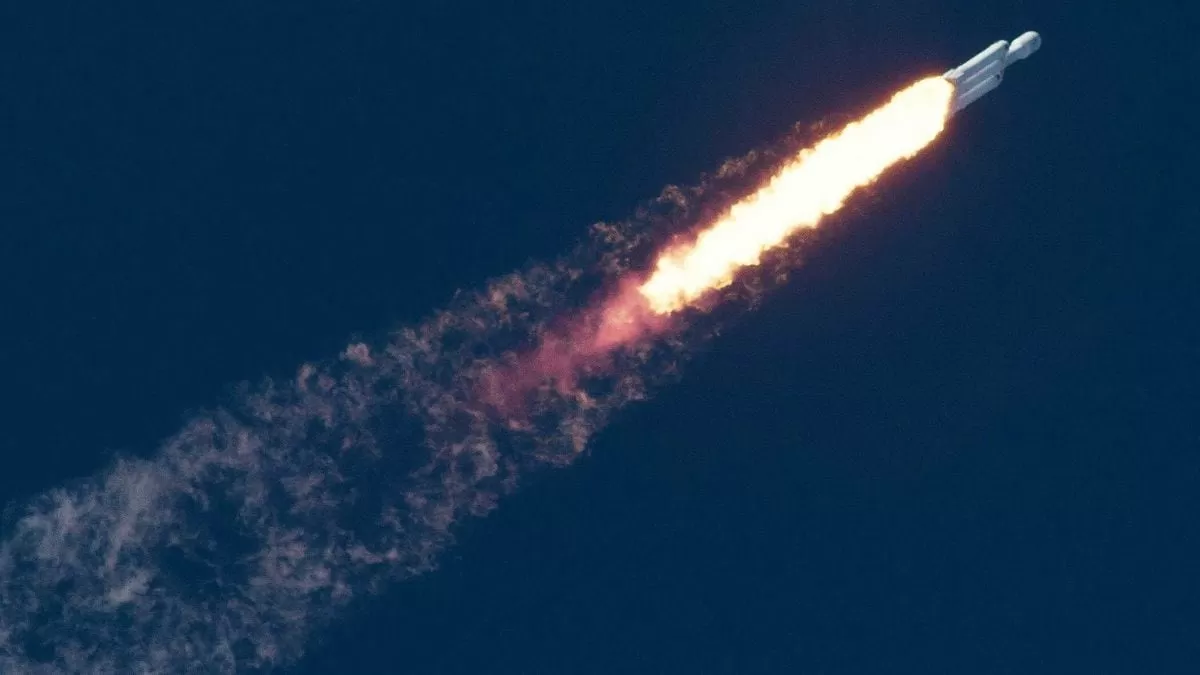
According to these studies, the growing number of rocket launches is releasing chlorine and soot into the atmosphere, which can have long-term impacts on the ozone layer’s recovery. In addition, pollutants released during satellite re-entry are also contributing to this problem. This is a cause for concern as the space industry is growing at a rapid pace, with more and more countries and private companies venturing into space exploration.
The use of rockets for space launches has been increasing over the years, and with it, the release of harmful substances into the atmosphere. The chlorine in rocket fuel, when released into the stratosphere, can react with ozone molecules, depleting the ozone layer. Soot, on the other hand, can absorb sunlight and heat up the atmosphere, leading to changes in atmospheric circulation and potentially affecting the ozone layer’s recovery process.
The space industry is urged to act now to address this issue before it becomes a major environmental problem. This can be achieved through a combination of regulations, innovation, and the use of cleaner fuels.
Regulations play a crucial role in controlling the release of harmful substances into the atmosphere. The International Civil Aviation Organization (ICAO) has already set standards for aircraft emissions, and it is now time for the space industry to follow suit. Governments and international organizations must work together to develop and implement regulations that limit the amount of chlorine and soot released during rocket launches. This will not only protect the ozone layer but also reduce the overall environmental impact of space activities.
Innovation is also key to addressing this issue. The space industry must invest in research and development to find new, cleaner fuels that can be used for rocket launches. Many companies are already working on developing alternative fuels, such as liquid hydrogen, which produces water vapor instead of soot when burned. The use of such fuels can significantly reduce the environmental impact of rocket launches.
Moreover, the space industry can also look into new technologies that can capture the pollutants released during satellite re-entry. These technologies can convert the pollutants into harmless substances before they reach the Earth’s surface, thus preventing any potential damage to the ozone layer.
It is also important for the space industry to work towards more sustainable practices. This includes reducing the number of unnecessary launches and properly disposing of old satellites to avoid the release of pollutants during re-entry. Companies must also prioritize the use of reusable rockets, which can significantly reduce the amount of waste and pollutants released into the atmosphere.
The good news is that some companies are already taking steps to address this issue. For instance, SpaceX has announced plans to use liquid oxygen and methane as propellants for their rockets, which are considered to be cleaner fuels compared to traditional rocket fuels. Other companies, such as Blue Origin and Rocket Lab, are also working towards developing more environmentally friendly rocket technologies.
In conclusion, while the ozone layer has shown signs of recovery, the growing number of rocket launches is a cause for concern. The space industry must take immediate action to address this issue through regulations, innovation, and the use of cleaner fuels. It is our responsibility to protect the Earth’s natural defenses, and the space industry must play its part in ensuring a sustainable future for generations to come. Let us act now, before it’s too late.