

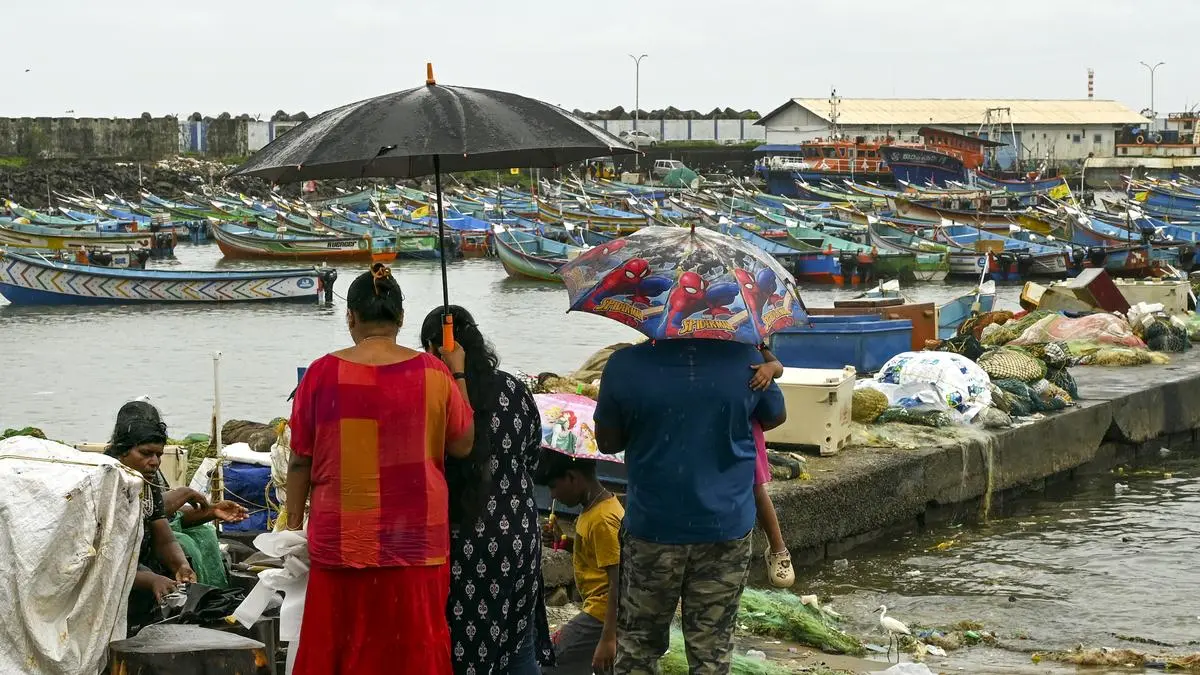
The monsoon season in India has always been a crucial time for the country’s agriculture and overall economy. The amount of rainfall during this season can make or break the success of crops and the livelihood of millions of people. That’s why the recent announcement by the India Meteorological Department (IMD) about the overall increase in seasonal rainfall has been met with much optimism and hope.
According to the IMD, the overall seasonal rainfall from June 1 has increased by 10% compared to last year. This is a significant improvement and a welcome relief after the past few years of below-average rainfall. However, the IMD also reported that 9 out of the 36 meteorological subdivisions in the country are still facing a deficiency in rainfall. While this may seem like a cause for concern, it is important to note that this number has decreased from 15 subdivisions last year.
The increase in overall seasonal rainfall is a promising sign for the country’s agriculture sector. The timely and sufficient rainfall is crucial for the growth of crops and the replenishment of groundwater reserves. This will not only benefit the farmers but also have a positive impact on the economy as a whole. With a good monsoon season, we can expect an increase in agricultural output and a boost in rural consumption.
The IMD’s prediction of a normal monsoon season has also brought much-needed relief to the government. In the past, a deficient monsoon season has led to an increase in food prices and a strain on the country’s economy. This year, with the overall increase in rainfall, we can hope for a stable and steady economy.
The IMD has also reported that the rainfall in the northwest and central parts of the country has been above normal, while the southern peninsula and northeast India have received below-normal rainfall. This highlights the need for proper distribution of rainfall across the country. The government must take necessary measures to ensure that all regions receive sufficient rainfall to avoid any adverse effects on agriculture and the economy.
The increase in seasonal rainfall can also have a positive impact on the water crisis that many parts of the country are facing. With proper management and conservation, this rainfall can help replenish water reserves and alleviate the water scarcity in many areas. This will not only benefit the agriculture sector but also improve the living conditions of the people.
It is also important to note that the overall increase in seasonal rainfall does not mean that we can let our guard down. The monsoon season is unpredictable, and we must continue to be prepared for any extreme weather conditions. The government must continue to monitor the situation and take necessary steps to mitigate any potential risks.
In conclusion, the overall increase in seasonal rainfall is a positive development for the country. It brings hope for a good harvest, a stable economy, and relief from the water crisis. However, we must not forget that there are still 9 subdivisions facing a deficiency in rainfall. The government must work towards ensuring that all regions receive sufficient rainfall and take necessary measures to mitigate any potential risks. Let us all hope for a bountiful monsoon season and a prosperous future for our country.