

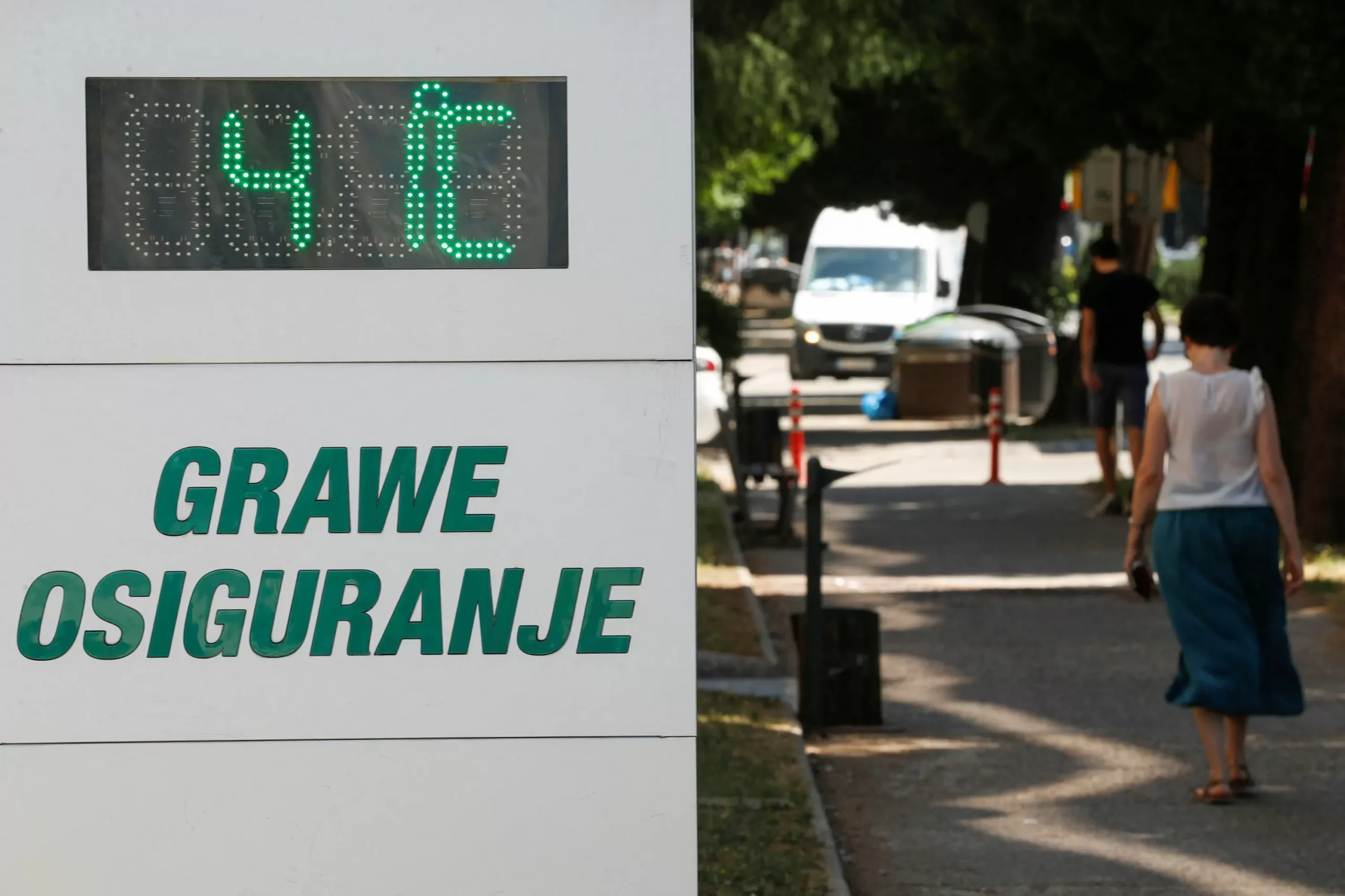
The recent heat wave that swept across Europe has left a devastating impact, claiming the lives of around 2,300 people in just 12 cities. This alarming statistic was revealed in a rapid scientific analysis published on Wednesday by the World Weather Attribution (WWA) and Climate Central.
The heat wave, which lasted for two weeks and ended last week, brought record-breaking temperatures to many parts of Europe. Countries such as France, Germany, Spain, and Italy experienced scorching heat, with temperatures reaching up to 45 degrees Celsius in some areas. This extreme weather event has been attributed to climate change, which has been causing more frequent and intense heat waves in recent years.
The rapid scientific analysis conducted by WWA and Climate Central used data from weather stations in 12 major European cities to determine the number of heat-related deaths during the heat wave. The results were alarming, with an estimated 2,300 people losing their lives due to heat-related causes. This number is expected to rise as more data becomes available.
The impact of this heat wave was felt across all age groups, with the elderly and young children being the most vulnerable. The extreme heat also took a toll on the healthcare system, with hospitals and emergency services struggling to cope with the influx of heat-related cases. The heat wave also had a significant economic impact, with businesses suffering losses due to reduced productivity and increased energy consumption for cooling.
But amidst this tragedy, there is a glimmer of hope. The rapid scientific analysis also revealed that the number of heat-related deaths could have been much higher if not for the measures taken by governments and individuals to combat the heat wave. These measures included the opening of cooling centers, distribution of water and fans to vulnerable populations, and the implementation of heatwave warning systems.
The fact that the number of heat-related deaths was lower than expected is a testament to the effectiveness of these measures. It also highlights the importance of being prepared for extreme weather events, especially in the face of climate change. As the world continues to warm, we can expect more frequent and intense heat waves, making it crucial for governments and individuals to take proactive measures to protect vulnerable populations.
The rapid scientific analysis also serves as a wake-up call for governments to take immediate action to address climate change. The heat wave in Europe is just one example of the devastating impact of global warming, and it is high time for world leaders to come together and take concrete steps to reduce carbon emissions and mitigate the effects of climate change.
But it’s not just up to governments to make a change. As individuals, we can also play a significant role in reducing our carbon footprint and mitigating the effects of climate change. Simple actions like using public transportation, reducing energy consumption, and supporting sustainable practices can make a big difference in the long run.
The heat wave in Europe may have ended, but its impact will be felt for a long time. The loss of 2,300 lives is a tragic reminder of the urgent need to address climate change and take proactive measures to protect our planet and its inhabitants. Let us use this wake-up call to come together and make a positive change for the future. It is not too late to act, and every small step counts towards creating a better and more sustainable world for generations to come.