

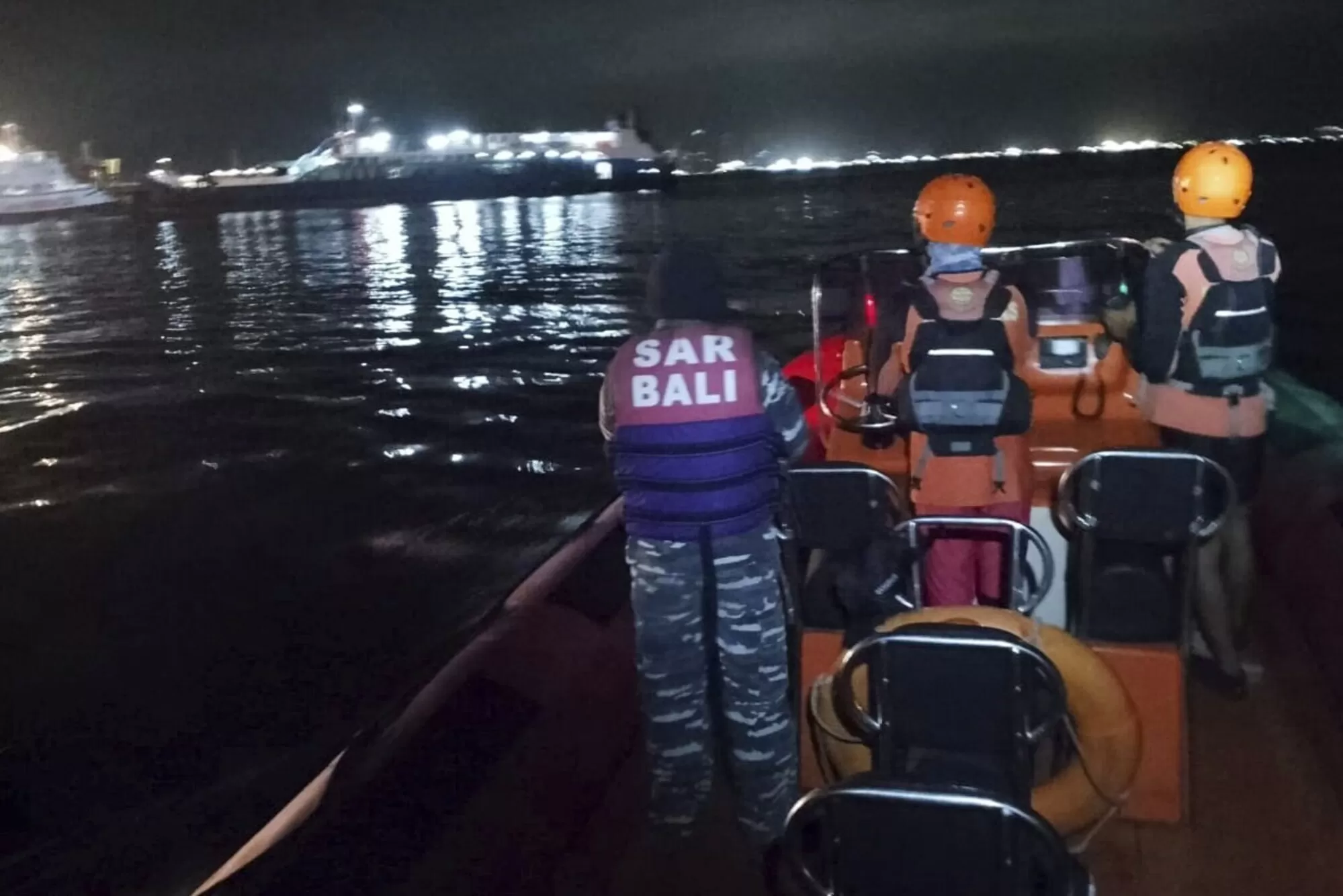
Ferry tragedies are a common occurrence in Indonesia, a beautiful archipelago consisting of more than 17,000 islands. These islands are interconnected by ferries, making them an essential mode of transportation for the people of Indonesia. However, despite their convenience, ferry accidents have become a pressing issue in the country. This is mainly due to the lack of safety regulations and their poor implementation, resulting in devastating tragedies.
In recent years, there have been numerous ferry accidents in Indonesia, claiming the lives of hundreds of people. In 2018 alone, there were at least five major ferry accidents, causing the deaths of more than 100 people. These numbers are alarming and have raised concerns about the safety standards of ferries in Indonesia.
One of the main reasons for these tragedies is the lack of stringent safety regulations. In Indonesia, ferries are often used as a means of transport for both passengers and goods. However, safety regulations for these ferries are not as strict as they should be. This is mainly due to the fact that many ferry operators prioritize profits over the safety of their passengers. As a result, they may compromise on essential safety measures, such as regular maintenance and proper training for the crew members.
Moreover, safety regulations can lapse due to the sheer number of ferries operating in Indonesia. With over 17,000 islands, ferries are a vital means of transportation for people living in remote areas. However, this also means that there are a large number of ferries in operation, making it challenging to monitor and enforce safety regulations effectively. This can lead to negligence and oversight, which can have tragic consequences.
Another contributing factor to ferry tragedies in Indonesia is the lack of proper infrastructure and equipment. Many ferries are old and poorly maintained, and they lack essential safety equipment such as life jackets and emergency rafts. In the event of an accident, this can prove to be fatal for passengers. Furthermore, inadequate infrastructure such as poorly constructed piers and insufficient navigational aids can also increase the risk of accidents.
The Indonesian government has acknowledged the severity of this issue and has taken steps to improve safety standards for ferries. In 2018, the government launched a new regulation that requires all ferries to undergo regular inspections and obtain a safety certificate before they can operate. The government has also increased the penalty for ferry operators who fail to comply with safety regulations, in hopes of deterring them from neglecting safety measures.
Despite these efforts, more needs to be done to prevent ferry tragedies in Indonesia. The government must ensure that safety regulations are strictly enforced and that ferry operators prioritize the safety of their passengers. This can be achieved by conducting regular inspections and providing proper training to ferry crew members. Additionally, the government should also invest in improving the infrastructure and equipment for ferries to ensure safe and reliable transportation for the people.
Moreover, it is also essential for the public to be aware of safety measures when traveling on ferries. Passengers must demand that the ferry they are traveling on has all the necessary safety equipment and that the crew is well-trained. They should also follow safety protocols, such as wearing life jackets and avoiding overcrowded ferries.
In conclusion, ferry tragedies in Indonesia are a cause for concern and must be addressed with urgency. The government and ferry operators must work together to ensure that strict safety regulations are in place and enforced. It is also crucial for the public to play their part in ensuring their safety when traveling on ferries. With these efforts, we can hope to see a significant reduction in the number of ferry accidents in Indonesia and ensure safe and reliable transportation for all.