

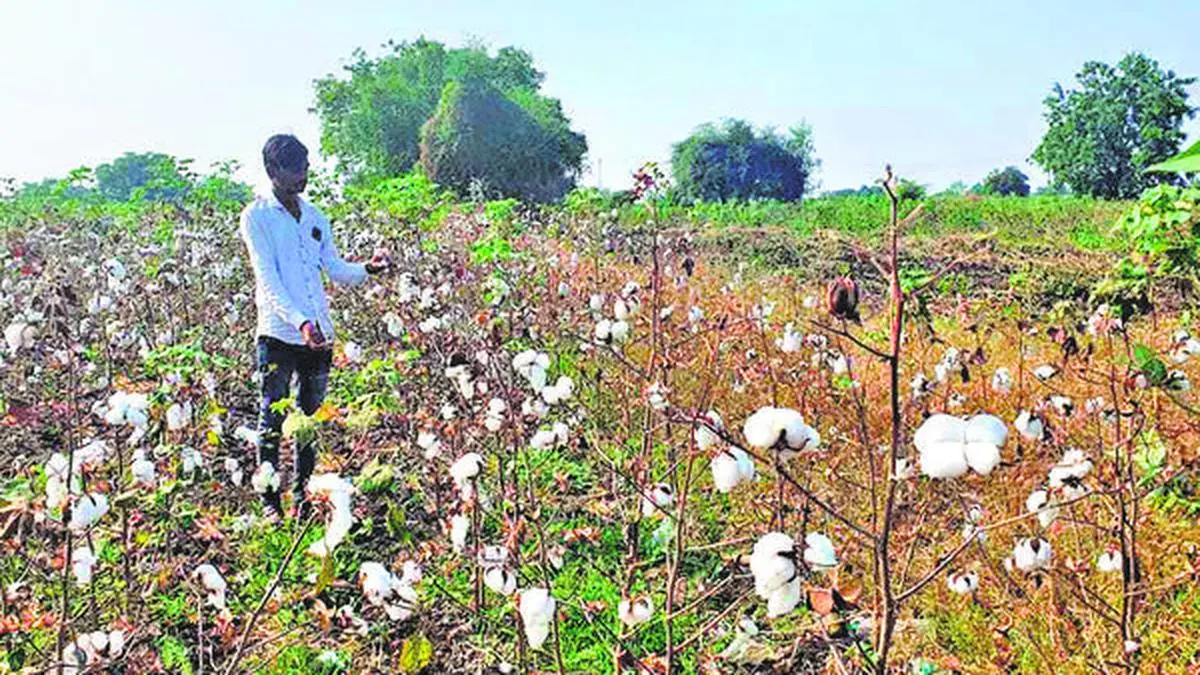
Coverage of crops in Telangana has been a major concern for farmers in recent years. The state has been facing a severe water crisis, resulting in deficient rainfall and affecting the growth of crops. This has led to a decrease in the yield of various crops, causing distress among farmers. However, amidst this challenging situation, there is a glimmer of hope for some farmers as they consider shifting to groundnut cultivation in Gujarat.
Telangana, known for its rich agricultural land, has been facing a drought-like situation for the past few years. The state has been heavily dependent on monsoon rains for irrigation, and the erratic rainfall patterns have caused a significant impact on crop production. The situation has been worsened by the depletion of groundwater levels, making it difficult for farmers to sustain their crops. As a result, many farmers have been forced to abandon their traditional crops and look for alternative options.
In this scenario, the state government has been taking various measures to support the farmers. The government has introduced several schemes and initiatives to promote sustainable agriculture and provide financial assistance to farmers. However, the deficient rain has been a major hurdle in the success of these efforts.
Amidst this crisis, some farmers in Telangana have found a ray of hope in groundnut cultivation in Gujarat. Groundnut, also known as peanut, is a popular crop in Gujarat and has been a major source of income for farmers in the state. The crop requires less water and is well-suited for the arid climate of Gujarat. This has caught the attention of some farmers in Telangana, who are now considering shifting to groundnut cultivation.
The idea of shifting to a different state for cultivation may seem daunting, but for these farmers, it is a risk worth taking. They see it as an opportunity to sustain their livelihood and provide for their families. The success stories of groundnut farmers in Gujarat have inspired them to take this step. They believe that with proper guidance and support, they can also achieve similar results.
The state government of Telangana has also been supportive of this decision. The government has been providing necessary assistance and training to farmers who are interested in shifting to groundnut cultivation. They have also been in talks with the government of Gujarat to facilitate the process and ensure a smooth transition for the farmers.
The shift to groundnut cultivation not only offers a solution to the water crisis but also opens up new opportunities for farmers. Groundnut is a versatile crop that has a high demand in the market. It is used in various industries, including food, oil, and cosmetics. This provides farmers with a diverse range of options to sell their produce and earn a better income.
Moreover, groundnut cultivation is also environmentally friendly. The crop requires less water and is known to improve soil fertility, making it a sustainable option for farmers. This aligns with the government’s efforts to promote sustainable agriculture and reduce the impact of climate change.
The decision to shift to groundnut cultivation may not be an easy one, but it is a step towards a better future for these farmers. It is a testament to their resilience and determination to overcome the challenges they face. With the support of the government and their fellow farmers, they are confident that they can make this transition successful.
In conclusion, the deficient rain in Telangana has been a major setback for farmers, but it has also opened up new opportunities for them. The shift to groundnut cultivation in Gujarat may be a small step, but it has the potential to bring about significant changes in the lives of these farmers. It is a testament to their determination and the government’s efforts to support them. With this positive outlook, we can hope for a brighter future for the farmers of Telangana.