

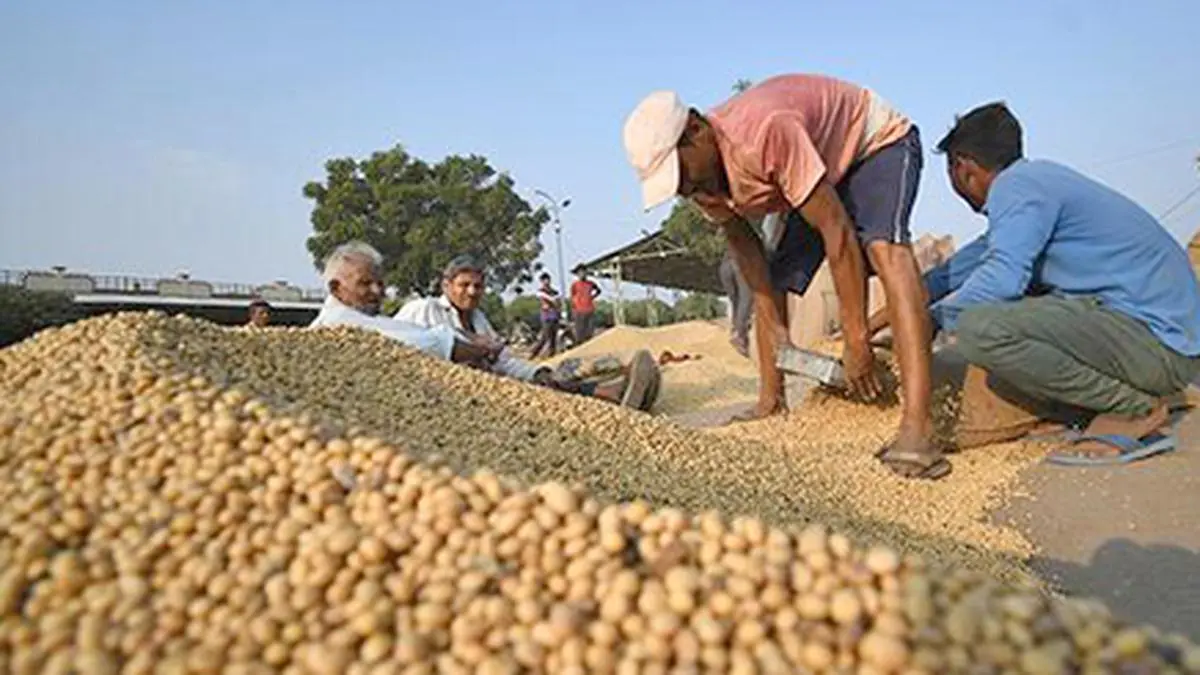
Over the past five years, the global trade volume of grains and oilseeds has seen a steady increase, with a Compound Annual Growth Rate (CAGR) of 3.2% and 2.4% respectively. This is a positive trend that highlights the growing demand for these essential commodities in the global market.
Grains and oilseeds are vital for the world’s food supply, and their trade volume is a key indicator of the health of the agricultural sector. The fact that their trade volume has been consistently increasing over the past five years is a testament to the resilience and strength of this industry.
One of the main reasons for this growth in trade volume is the increasing population and changing dietary habits. As the world’s population continues to grow, so does the demand for food. Grains and oilseeds, being staple food items, are in high demand, and this trend is expected to continue in the coming years.
Moreover, with the rise of health-conscious consumers, there has been a shift towards a more plant-based diet, leading to an increased demand for oilseeds. These nutrient-rich seeds are used to produce cooking oils, which are a healthier alternative to animal-based fats. This has further fueled the growth in trade volume of oilseeds.
Another factor contributing to the increase in trade volume is the growing popularity of international trade agreements and partnerships. These agreements have made it easier for countries to import and export grains and oilseeds, leading to a more interconnected global market. This has opened up new opportunities for farmers and traders, allowing them to reach a wider customer base and increase their profits.
The rise of technology and innovation in the agricultural sector has also played a significant role in boosting trade volume. With the use of advanced farming techniques and machinery, farmers are now able to produce higher yields, resulting in a surplus of grains and oilseeds for export. This has not only increased trade volume but has also made these commodities more affordable for consumers.
Furthermore, the increasing awareness about the benefits of sustainable farming practices has led to a rise in the production of organic grains and oilseeds. This has created a niche market for these products, with consumers willing to pay a premium for them. As a result, the trade volume of organic grains and oilseeds has also seen a significant increase in the past five years.
The growth in trade volume of grains and oilseeds has not only benefited the agricultural sector but has also had a positive impact on the global economy. It has created job opportunities, improved the standard of living for farmers, and contributed to the overall economic growth of countries involved in the trade.
Moreover, the increase in trade volume has also led to a more stable and diverse food supply. With the ability to import and export grains and oilseeds, countries are less reliant on their own production, reducing the risk of food shortages during times of natural disasters or other crises.
In conclusion, the CAGR of 3.2% in grains and 2.4% in oilseeds over the past five years is a clear indication of the growing demand for these commodities in the global market. This trend is expected to continue in the coming years, driven by factors such as population growth, changing dietary habits, and advancements in technology. The increase in trade volume not only benefits the agricultural sector but also has a positive impact on the global economy and food security. It is a promising sign for the future of the grains and oilseeds industry and a testament to its resilience and adaptability in the face of changing market dynamics.