

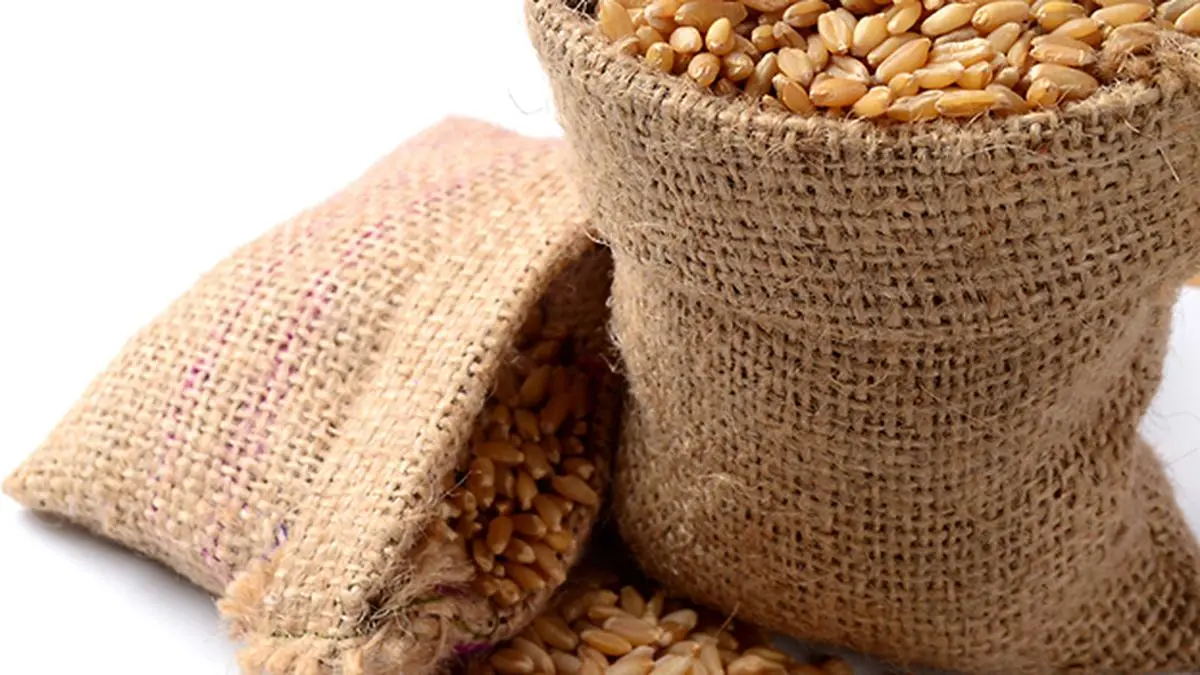
The Indian government has made a commendable decision to end the wheat procurement process on May 27, after successfully purchasing a whopping 29.82 million tonnes (mt) of wheat. This decision has been met with great appreciation and is a testament to the government’s commitment towards the welfare of farmers and the overall growth of the agricultural sector.
The wheat procurement process is an important aspect of the government’s efforts to support farmers and ensure food security in the country. It involves the purchase of wheat from farmers at a minimum support price (MSP) set by the government. This not only provides a fair price to the farmers for their produce but also helps in maintaining a stable market price for wheat.
The decision to end the procurement process comes at a crucial time when the country is facing the challenges posed by the COVID-19 pandemic. Despite the disruptions caused by the pandemic, the government has managed to procure a record amount of wheat, which is a testament to its efficient and proactive approach.
The government’s decision to end the procurement process is also a reflection of the positive impact of its various policies and initiatives in the agricultural sector. The implementation of the Pradhan Mantri Kisan Samman Nidhi (PM-KISAN) scheme, which provides direct income support to farmers, has been a game-changer for small and marginal farmers. The introduction of the Kisan Credit Card scheme has also provided easy access to credit for farmers, enabling them to invest in their farms and increase their productivity.
Moreover, the government’s focus on increasing the minimum support price for crops has also played a crucial role in motivating farmers to produce more. The recent increase in the MSP for wheat by Rs. 50 per quintal is a testament to the government’s commitment towards the welfare of farmers.
The decision to end the wheat procurement process also reflects the government’s confidence in the current state of the agricultural sector. The country has witnessed a record production of wheat this year, with estimates suggesting a production of over 107 million tonnes. This is a result of the government’s efforts to promote the use of modern technology and techniques in agriculture, along with providing timely and adequate irrigation facilities.
The government’s decision to end the procurement process will also have a positive impact on the country’s economy. With the procurement process almost coming to an end, the government will now be able to focus on other important aspects of the agricultural sector, such as storage, transportation, and distribution. This will not only ensure the smooth supply of wheat but also help in reducing wastage and increasing efficiency.
In conclusion, the decision to end the wheat procurement process is a significant step towards achieving the government’s goal of doubling farmers’ income by 2022. It is a clear indication of the government’s commitment towards the welfare of farmers and the overall growth of the agricultural sector. The record procurement of wheat this year is a testament to the success of the government’s policies and initiatives, and we can only hope that this trend continues in the future. Let us all join hands in applauding the government’s efforts and continue to support our farmers in their journey towards a prosperous and self-reliant India.