

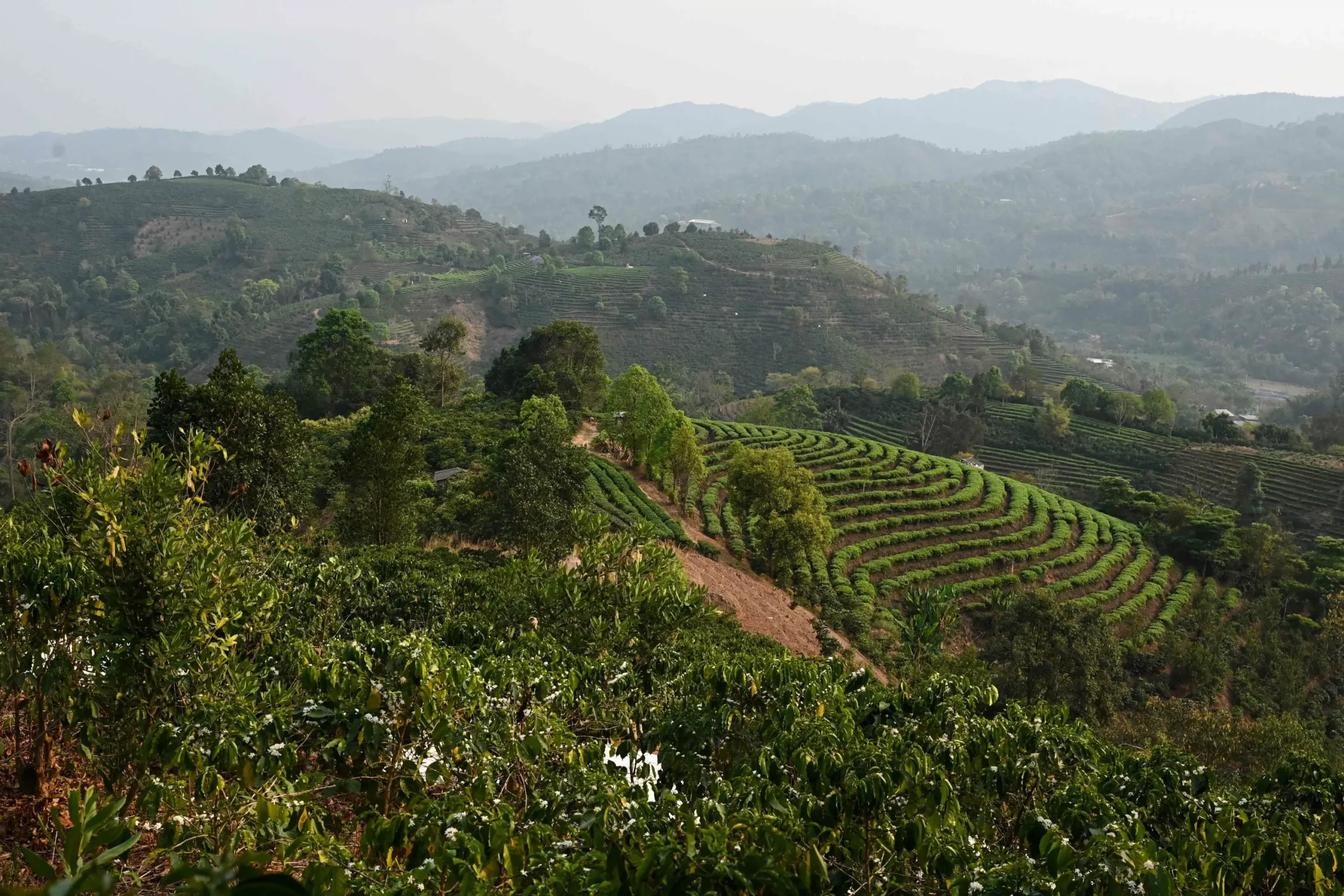
The Food and Agriculture Organization of the United Nations (FAO) has recently issued a stark warning about the future of tea cultivation worldwide. According to the organization, the global tea industry is facing numerous challenges that could potentially threaten its sustainability and profitability in the long run. As a result, urgent action is needed to address these issues and ensure the future of this beloved beverage.
Ayşegül Selışık, assistant FAO Representative in Turkey, highlighted the importance of tea as a major source of income for millions of people around the world. She stated, “Tea is not just a drink, it is a way of life for many communities. It provides employment opportunities, supports livelihoods, and contributes to the economic growth of many countries. Therefore, it is crucial that we take immediate action to safeguard the future of tea cultivation.”
One of the main challenges facing the tea industry is climate change. Rising temperatures, changing rainfall patterns, and extreme weather events are all affecting tea production in various parts of the world. In some regions, droughts have led to a decrease in tea yields, while in others, heavy rains have caused landslides and damaged tea plantations. These unpredictable weather patterns not only affect the quantity of tea produced but also its quality.
Moreover, the FAO has also expressed concerns about the aging tea plantations in many countries. The average age of tea bushes in some major tea-producing countries is over 50 years, which is well beyond their productive lifespan. This has resulted in a decline in tea production and quality, as well as an increase in production costs. To address this issue, the FAO is calling for the rejuvenation of old tea plantations and the adoption of modern, sustainable farming practices.
Another major concern is the lack of access to markets and fair prices for small-scale tea farmers. Many tea-producing countries are facing challenges in exporting their tea due to trade barriers and competition from other countries. This has led to a decrease in income for small-scale farmers, who are often the most vulnerable in the tea industry. The FAO is working with governments and other stakeholders to improve market access and ensure fair prices for small-scale tea farmers.
In addition to these challenges, the FAO has also highlighted the need for better research and development in the tea sector. This includes developing new tea varieties that are more resistant to climate change and pests, as well as improving processing techniques to enhance the quality of tea. The organization is also promoting sustainable practices such as organic farming and integrated pest management to reduce the use of harmful chemicals in tea production.
The FAO has called for a collaborative effort from all stakeholders in the tea industry to address these challenges and ensure the future of tea cultivation. This includes governments, farmers, traders, and consumers. Governments need to provide support and incentives for farmers to adopt sustainable practices and invest in research and development. Traders and consumers can also play a role by promoting sustainable and ethical tea production and consumption.
The FAO has also emphasized the importance of consumer awareness and education. Consumers can make a difference by choosing sustainably produced tea and supporting small-scale farmers. By doing so, they can contribute to the preservation of the environment and the livelihoods of tea farmers.
In conclusion, the FAO’s warning about the future of tea cultivation is a wake-up call for all of us. We must take immediate action to address the challenges facing the tea industry and ensure its sustainability for future generations. Let us all join hands and work towards a brighter future for tea cultivation, a beverage that has been a part of our lives for centuries.