

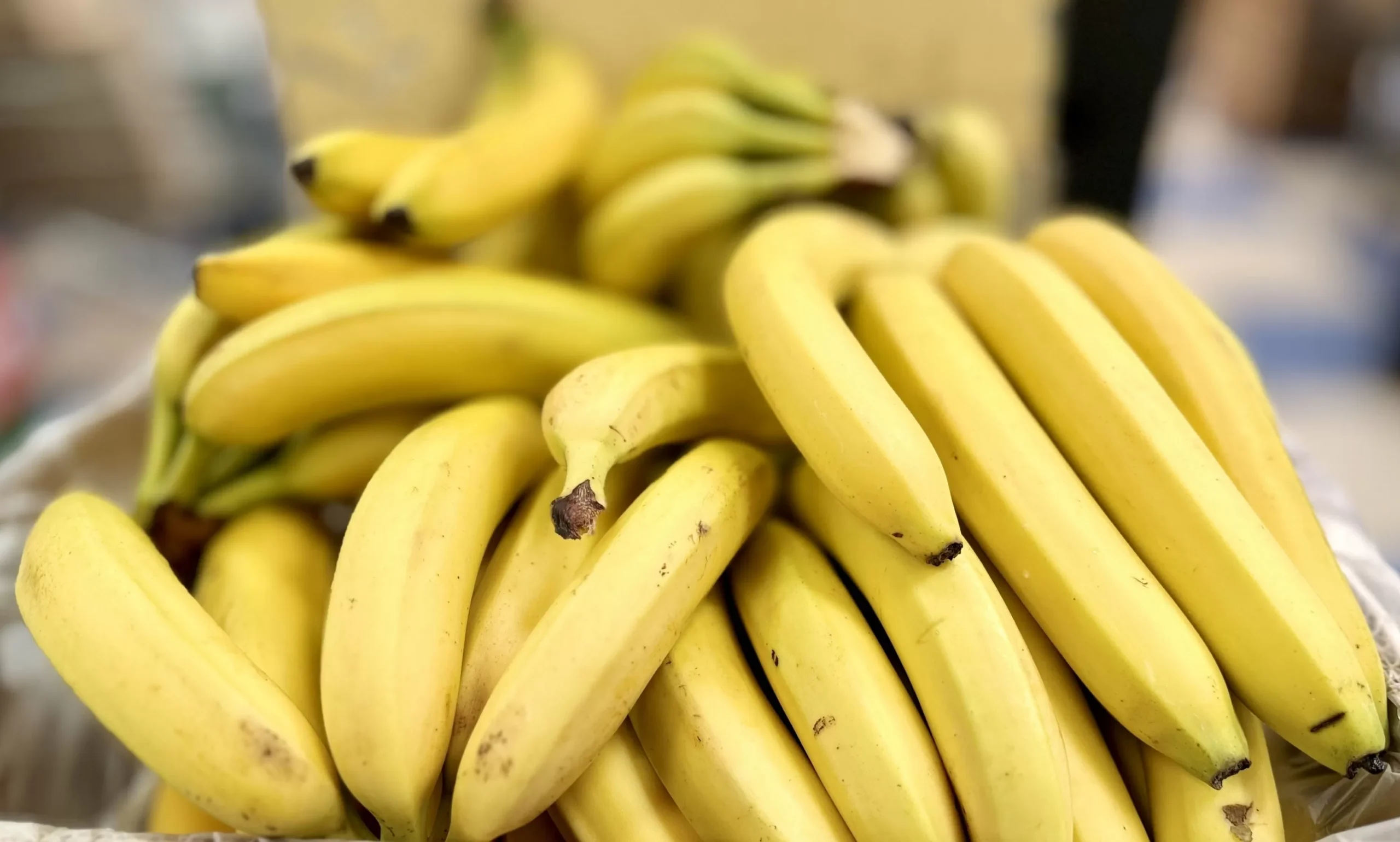
A recent study conducted by the Food and Agriculture Organization (FAO) reveals a concerning future for banana production in Latin America and the Caribbean. According to the study, nearly two-thirds of the banana-growing areas in these regions may become unsuitable for cultivation by 2080, due to the impact of climate change. This revelation has raised concerns among the banana industry and calls for immediate action to mitigate the effects of climate change.
Bananas are one of the most popular and important food crops in Latin America and the Caribbean, with millions of people depending on it for their livelihoods. This fruit is not only a staple food for many but also a significant contributor to the economies of these regions. However, the study predicts that if no measures are taken to combat climate change, the production of bananas will decline significantly in the coming years.
The study points out that the rise in global temperatures and changes in rainfall patterns have already started affecting banana production. One of the major challenges faced by banana growers is the increase in the frequency and severity of extreme weather events such as hurricanes, floods, and droughts. These natural disasters have a devastating impact on banana plantations, destroying crops and disrupting the production cycle.
Additionally, climate change has led to the spread of pests and diseases, further threatening banana production. The notorious Panama disease, which is responsible for wiping out entire banana plantations, has already caused massive losses in countries like Colombia and Costa Rica. With the rise in temperatures and changes in humidity and rainfall, the conditions are becoming more favorable for the growth and spread of such diseases.
Furthermore, the study highlights that the increase in temperatures has caused a reduction in the land suitable for banana cultivation. As per the study, the ideal temperature for banana growth is between 26°C and 30°C. However, with the predicted rise in temperatures, many of the banana-growing areas will surpass this threshold, making it unsuitable for banana production. This will result in a decline in banana yields and quality, affecting the livelihoods of millions of people and the economies of these regions.
The findings of this study act as a wake-up call for the banana industry and governments of Latin America and the Caribbean. Urgent action is needed to reduce the carbon footprint and mitigate the effects of climate change. The FAO suggests implementing sustainable farming practices, such as agroforestry and intercropping, to increase the resilience of banana plantations to extreme weather events. Also, the use of drought-resistant banana varieties and pest management techniques can help combat the effects of climate change.
Moreover, there is a need for international cooperation and support to fund research and development of climate-smart technologies for banana production. The private sector, including banana companies, can also play a crucial role in investing in sustainable practices and reducing their carbon emissions.
But it’s not just the responsibility of governments and the private sector. Individuals can also contribute to reducing their carbon footprint by making small changes in their daily lives, such as reducing energy consumption, using public transportation, and practicing sustainable agriculture in their own backyards.
While the study reveals a grim future for banana production in Latin America and the Caribbean, it also presents an opportunity to take immediate action and make a positive impact. The banana industry has always been resilient, and with prompt action and international cooperation, it can continue to thrive despite the challenges posed by climate change.
In conclusion, the recent study by FAO serves as a reminder that climate change is a global challenge that requires collective efforts to combat its effects. The decline in banana production in Latin America and the Caribbean is just one example of the impact of climate change on agriculture. It’s time to act now and take steps towards a sustainable future, not just for bananas, but for all of us.