

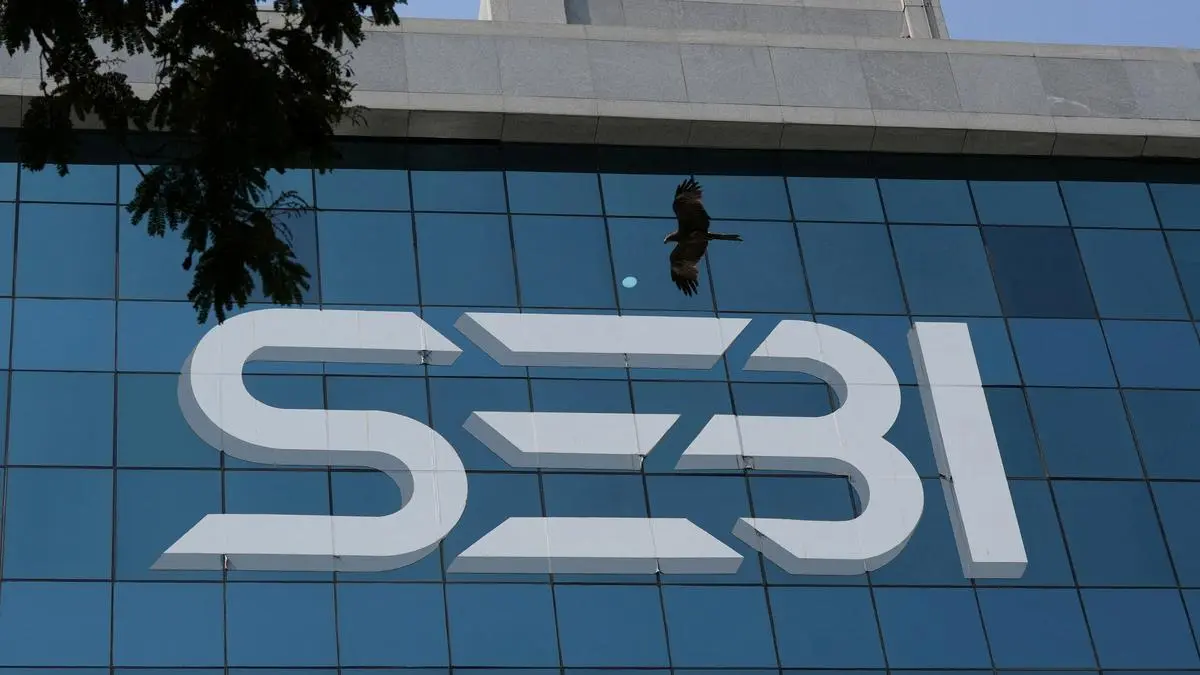
In recent years, the stock market has become a popular avenue for retail investors to grow their wealth. With the rise of online trading platforms and easy access to financial information, more and more people are trying their hand at trading in the stock market. However, a recent study by the Securities and Exchange Board of India (SEBI) has revealed a shocking truth – 9 out of 10 retail investors lose money while trading in F&O instruments. This has prompted SEBI to take regulatory steps to protect the interests of retail investors.
F&O (Futures and Options) instruments are financial derivatives that allow investors to speculate on the future price movements of underlying assets such as stocks, currencies, and commodities. These instruments are highly leveraged, which means that investors can make large profits with a small amount of capital. However, they also come with a high level of risk, and if not used wisely, can result in significant losses.
The SEBI study, which was conducted over a period of two years, analyzed the trading patterns of retail investors in the F&O segment. It found that a staggering 90% of these investors had incurred losses, with an average loss of 15%. This is a cause for concern as it not only affects the financial well-being of these investors but also has a negative impact on the overall market sentiment.
In light of these findings, SEBI has taken several regulatory steps to protect the interests of retail investors. The first and most significant step is the introduction of a new framework for margin requirements. Under this framework, brokers are required to collect upfront margins from their clients for all open positions in the F&O segment. This will ensure that investors have sufficient funds to cover their losses in case of adverse market movements.
SEBI has also tightened the eligibility criteria for trading in F&O instruments. Retail investors are now required to have a minimum net worth of Rs. 2 lakh to trade in the F&O segment. This will ensure that only those investors who have the necessary financial knowledge and risk appetite are allowed to trade in these high-risk instruments.
Another important step taken by SEBI is the introduction of a compulsory mock trading session for all new investors before they are allowed to trade in the F&O segment. This will help new investors to familiarize themselves with the trading platform and understand the risks involved in trading in F&O instruments.
SEBI has also directed stock exchanges to conduct regular surveillance and monitoring of the F&O segment to detect any market manipulation or fraudulent activities. This will help to maintain the integrity of the market and protect the interests of retail investors.
These regulatory steps taken by SEBI are a welcome move and will go a long way in protecting the interests of retail investors. It is essential to understand that trading in F&O instruments requires a high level of knowledge, experience, and risk management skills. It is not a get-rich-quick scheme, and investors should not be lured by the promise of high returns.
As a retail investor, it is crucial to educate yourself about the market and understand the risks involved before venturing into trading in F&O instruments. It is also advisable to seek the guidance of a financial advisor who can help you make informed investment decisions.
In conclusion, the SEBI study has shed light on the alarming number of retail investors losing money in the F&O segment. The regulatory steps taken by SEBI are a step in the right direction to protect the interests of these investors. However, it is also the responsibility of investors to educate themselves and make wise investment decisions. With the right knowledge and guidance, retail investors can make the most of the opportunities offered by the stock market and achieve their financial goals.