

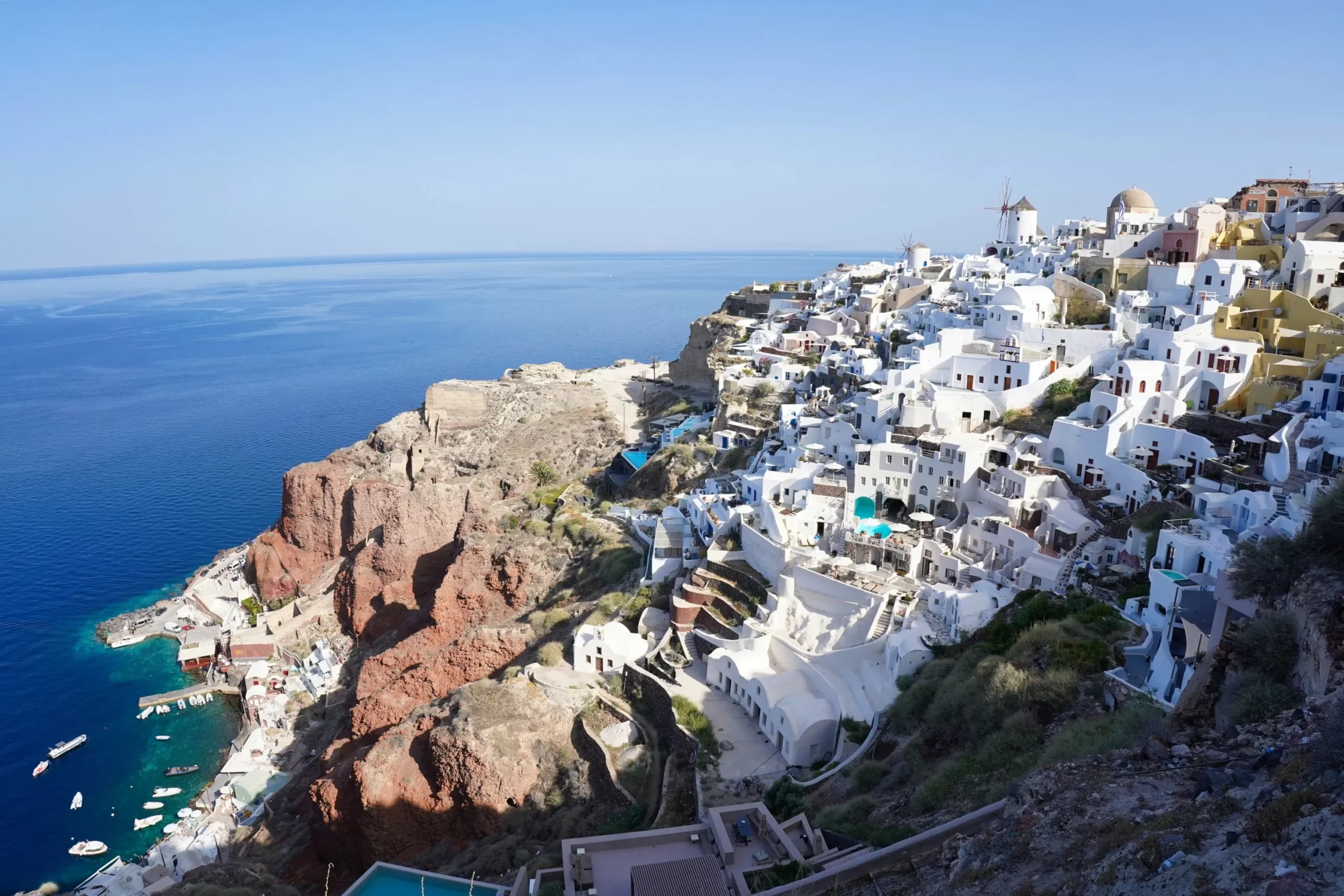
Santorini, a charming island located in the Aegean Sea, is known worldwide for its breathtaking scenery, unique architecture, and rich history. But what most people don’t know is that this iconic landscape is actually a result of a massive volcanic eruption that took place thousands of years ago. Today, the same natural forces that shaped Santorini continue to attract millions of tourists each year, making it Greece’s most famous tourist island.
Situated in the southern Aegean Sea, Santorini is a part of the Cyclades island group and is approximately 200 kilometers southeast of the Greek mainland. The island is a popular destination for honeymooners, families, and solo travelers, offering something for everyone. From picturesque villages to stunning beaches and delicious cuisine, Santorini has it all. But it’s the island’s unique topography that truly sets it apart from other tourist destinations.
The story of Santorini’s volcanic past begins over 3,600 years ago when the island was known as Thera. At the time, Thera was a bustling Minoan settlement with a thriving economy and a population of over 30,000 people. However, on one fateful day, everything changed. An enormous volcanic eruption, estimated to be four to five times stronger than the infamous Mount Vesuvius eruption, tore through the island, leaving behind a caldera (a large volcanic crater) and drastically altering the landscape.
The eruption caused a massive explosion, with ash, rocks, and pumice being thrown into the air at incredible speeds, reaching as high as 36 kilometers. The force of the eruption also created a giant tsunami that devastated the nearby coastlines of Crete and other Aegean islands. The effects of this catastrophic event were felt across the Mediterranean and even as far as Egypt.
The caldera that was left behind by the eruption is what gives Santorini its iconic crescent shape. The caldera is partially submerged, creating a stunning natural harbor that is now one of the most photographed spots on the island. The towering cliffs, which range from 100 to 300 meters high, have been shaped by layers of volcanic ash and lava, creating a unique geological landscape that can’t be found anywhere else in the world.
But the volcanic eruption didn’t just leave behind a breathtaking landscape; it also left a lasting impact on the island’s culture and architecture. The ash and pumice that covered the island preserved many of the buildings, artifacts, and frescoes from the Minoan era. Today, visitors can explore the well-preserved ancient city of Akrotiri, often referred to as the “Pompeii of the Aegean,” which provides a glimpse into the daily life of the Minoan civilization.
Furthermore, the volcanic soil of Santorini is incredibly rich in minerals, making it ideal for agriculture. The island is renowned for its unique white wines, often referred to as “Vinsanto,” which are made from the grapes grown in the volcanic soil. The mineral-rich soil also produces some of the most delicious fruits and vegetables, making Santorini a foodie’s paradise.
In addition to its geological and historical significance, Santorini also offers a variety of activities for tourists to enjoy. Visitors can hike along the volcanic cliffs and take in the stunning views of the caldera, relax on the black, red, and white sand beaches, or explore the traditional villages of Fira, Oia, and Imerovigli. The island also has a vibrant nightlife, with a plethora of bars and restaurants offering delicious local cuisine and refreshing cocktails.
As one of the most popular tourist destinations in Greece, Santorini has a robust tourism industry that is vital to the island’s economy. The island welcomes millions of tourists each year, and this number continues to grow. With its unique landscape, rich history, and warm hospitality, it’s not hard to see why Santorini is a must-visit destination for travelers from all over the world.
In conclusion, Santorini’s iconic landscape owes its beauty and charm to a catastrophic event that occurred thousands of years ago. The volcanic eruption that shaped the island has left a lasting impact on its culture, architecture, and economy, making it a truly unique and fascinating destination. So, if you’re looking for a vacation spot that offers both natural and cultural wonders, look no further than Santorini, Greece’s most famous tourist island.