

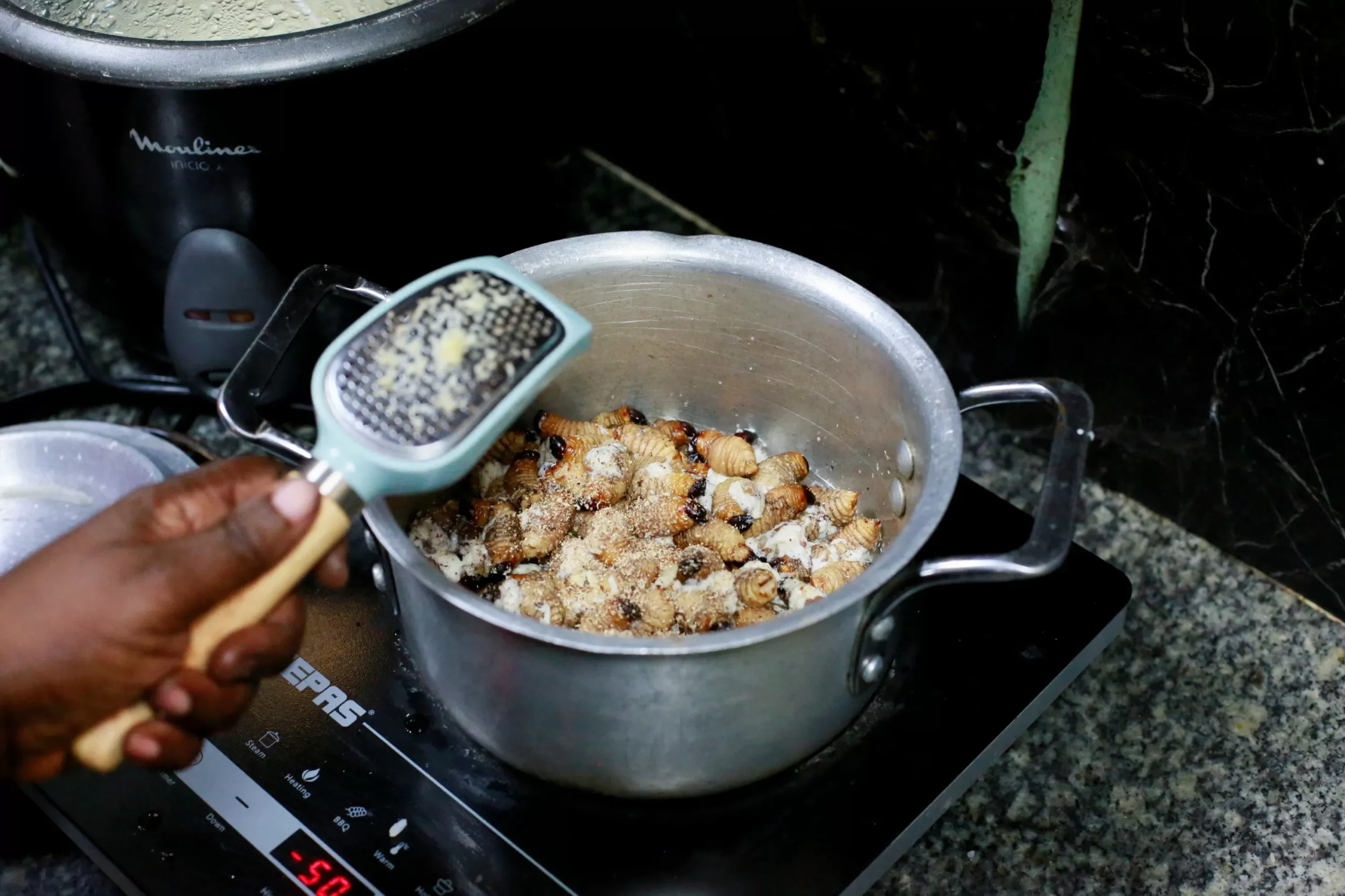
Singapore, known for its diverse and vibrant food culture, has taken a bold step towards expanding its culinary landscape. The country has reportedly approved 16 insect species, including grasshoppers, cicadas, and superworms, for consumption as food. This move has sparked a lot of interest and curiosity among food enthusiasts and has been met with positive reactions from the public.
The decision to approve these insect species as food was made by the Singapore Food Agency (SFA) after conducting thorough research and consultation with experts. The SFA has stated that these insects are safe for consumption and are a sustainable source of protein and nutrients. This move aligns with Singapore’s goal of promoting sustainable food sources and reducing its reliance on traditional meat sources.
Insects have been consumed as food in many cultures around the world for centuries. They are a rich source of protein, vitamins, and minerals, making them a nutritious addition to any diet. Insects are also low in fat and have a smaller carbon footprint compared to traditional meat sources, making them an environmentally friendly option.
The 16 approved insect species include crickets, mealworms, grasshoppers, and black soldier flies. These insects can be consumed in various forms, such as whole, ground into powder, or incorporated into dishes like burgers, pasta, and even ice cream. This opens up a whole new world of possibilities for chefs and food entrepreneurs to experiment with these unique ingredients and create innovative dishes.
One of the main concerns surrounding the consumption of insects is the “yuck” factor. However, the SFA has assured the public that these insects are safe for consumption and have been raised in hygienic conditions. They have also stated that the insects will undergo strict quality control measures to ensure their safety and quality.
The approval of these insect species as food has also been met with enthusiasm from the local farming community. Insects require less space, water, and feed compared to traditional livestock, making them a more sustainable and cost-effective option for farmers. This move could potentially open up new opportunities for local farmers and contribute to Singapore’s goal of achieving food self-sufficiency.
Moreover, the consumption of insects can also have a positive impact on the environment. As the world’s population continues to grow, traditional meat sources are becoming increasingly unsustainable. Insects, on the other hand, have a much smaller environmental footprint and can be produced in large quantities without causing harm to the environment.
The approval of these insect species as food also aligns with the growing trend of alternative protein sources. With the rise of plant-based and lab-grown meat alternatives, the consumption of insects fits right in with the changing food landscape. It provides a sustainable and nutritious option for those looking to reduce their meat consumption or follow a more environmentally friendly diet.
The SFA has also stated that they will continue to monitor and assess the safety and quality of these insect species. They have also encouraged the public to only consume insects from approved sources and to follow proper food safety practices when handling and preparing them.
The news of Singapore approving 16 insect species for consumption has garnered attention from around the world. Many countries are also exploring the potential of insects as a sustainable food source, and Singapore’s move could serve as a model for others to follow.
In conclusion, Singapore’s decision to approve 16 insect species for consumption as food is a bold and progressive move towards promoting sustainable and alternative food sources. It not only opens up new opportunities for the local food industry but also contributes to the country’s goal of achieving food self-sufficiency and reducing its environmental impact. With proper regulations and quality control measures in place, the consumption of insects can become a norm in Singapore’s diverse and vibrant food culture.