

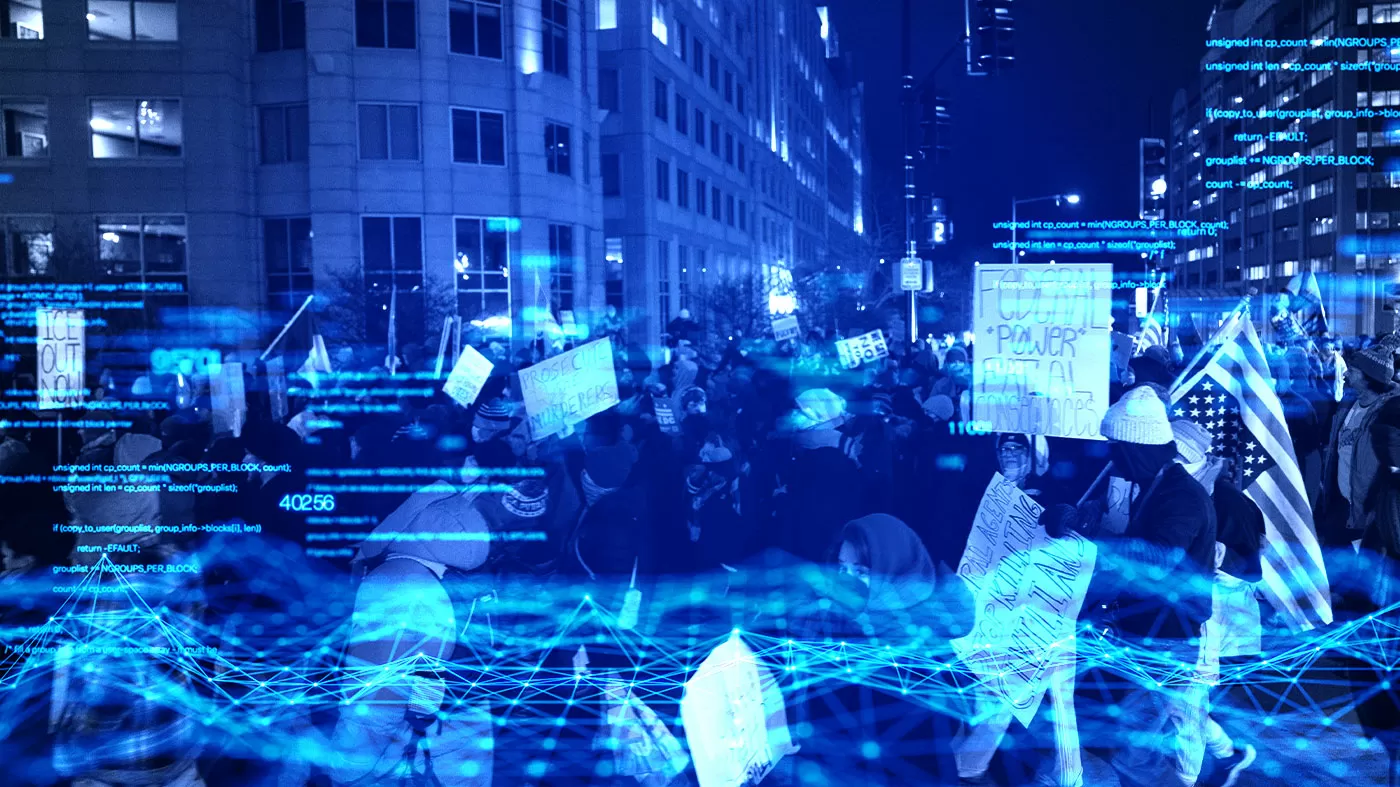
The Trump administration’s approach to immigration has been a contentious issue since the beginning of his presidency. With a strong focus on border security and cracking down on illegal immigration, the administration has faced criticism from Democrats and civil liberties advocates. Now, with the deployment of various technologies to support its deportation efforts, the administration is facing even more pushback.
The Department of Homeland Security (DHS) has been at the forefront of the administration’s immigration policies, and they have recently received funding to implement new tools to aid in their efforts. These tools include facial recognition technology, biometric data collection, and social media monitoring. While the administration argues that these technologies are necessary for national security and to identify individuals who may pose a threat, many are concerned about the potential abuse of power and violation of civil liberties.
One of the most controversial technologies being used by DHS is facial recognition. This technology allows for the identification of individuals through their facial features, and it has been used at airports and border crossings to screen travelers. However, the use of this technology has expanded to include immigration raids and arrests. This has raised concerns about the accuracy of the technology and the potential for false identifications, leading to the wrongful detention and deportation of innocent individuals.
In addition to facial recognition, DHS has also been collecting biometric data, such as fingerprints and DNA, from individuals in their custody. This data is then stored in a massive database, which has raised concerns about privacy and the potential for this information to be shared with other government agencies. Furthermore, the administration has also been monitoring social media platforms in an effort to identify and track individuals who may be involved in illegal activities or have ties to terrorist organizations. While this may seem like a necessary measure, it has raised concerns about the violation of privacy and the potential for targeting individuals based on their political beliefs or associations.
The use of these technologies has sparked pushback from Democrats and civil liberties advocates, who argue that the administration is overstepping its boundaries and potentially abusing its power. They fear that these tools could be used to target and intimidate individuals who are exercising their right to protest or speak out against the administration’s immigration policies. There are also concerns about the lack of oversight and transparency in the use of these technologies, as well as the potential for discrimination and racial profiling.
In response to these concerns, several Democratic lawmakers have introduced legislation to limit the use of facial recognition technology and require more oversight and accountability for its use. They argue that while national security is important, it should not come at the cost of sacrificing civil liberties and privacy rights.
Civil liberties advocates have also been vocal in their opposition to the use of these technologies, with organizations such as the American Civil Liberties Union (ACLU) filing lawsuits against DHS for violating the privacy rights of individuals. They argue that the use of these technologies without proper safeguards and oversight is a violation of the Fourth Amendment, which protects against unreasonable searches and seizures.
The Trump administration has defended the use of these technologies, stating that they are necessary for national security and to enforce immigration laws. They argue that these tools have been successful in identifying and apprehending individuals who pose a threat to the country. However, the concerns raised by Democrats and civil liberties advocates cannot be ignored, and it is important for the administration to address these concerns and ensure that these technologies are not being used to violate the rights of individuals.
In conclusion, the deployment of various technologies by the Trump administration to support its deportation efforts has sparked pushback from Democrats and civil liberties advocates. While the administration argues that these tools are necessary for national security, there are valid concerns about the potential abuse of power and violation of civil liberties. It is crucial for the administration to address these concerns and ensure that these technologies are being used responsibly and with proper oversight. National security is important, but it should not come at the cost of sacrificing our fundamental rights and freedoms.