

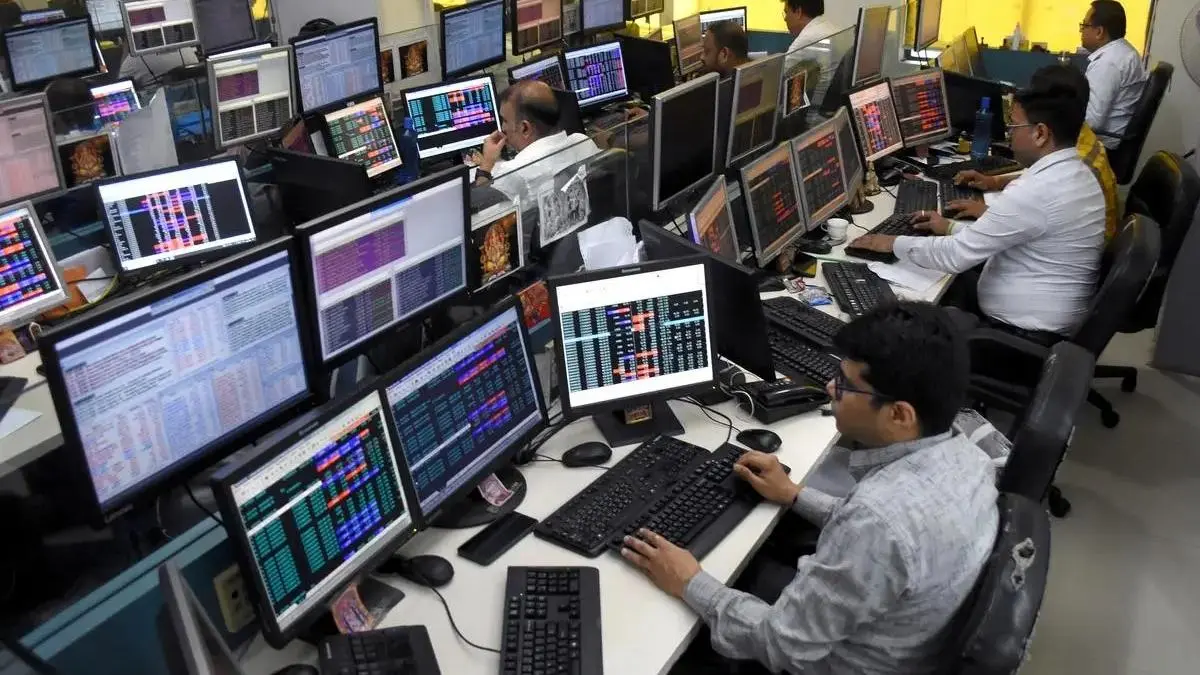
The Nigerian Stock Exchange (NSE) has long been a symbol of the country’s economic growth and development. It is a hub of activity, with investors from all over the world flocking to its doors to trade and invest in the country’s promising companies. However, recent reports have shown a worrying trend – the average daily turnover at the NSE has been slipping sharply. This news has caused concern among investors and analysts, but it is important to understand the reasons behind this decline and how the NSE is working to address them.
According to data from the NSE, the average daily turnover in the first quarter of 2021 was 4.4 billion naira, a significant decrease from the 7.7 billion naira recorded in the same period last year. This decline can be attributed to a number of factors, including the impact of the COVID-19 pandemic, the country’s economic recession, and the recent devaluation of the naira. These factors have created a challenging environment for investors, leading to a decrease in trading activity at the NSE.
The COVID-19 pandemic has had a profound impact on the global economy, and Nigeria has not been spared. The country’s GDP contracted by 1.92% in 2020, and this has had a ripple effect on the stock market. Many companies have seen a decline in their revenues and profits, which has led to a decrease in their stock prices. This has made investors cautious, and they are holding on to their investments instead of actively trading. As a result, the average daily turnover at the NSE has been affected.
In addition to the pandemic, the country’s economic recession has also played a role in the decline of the average daily turnover at the NSE. The recession, which was officially declared in November 2020, has led to a decrease in consumer spending and business activities. This has had a direct impact on the performance of companies listed on the NSE, as their revenues and profits have been affected. As a result, investors are not as confident in the market, and this has led to a decrease in trading activity.
Another factor that has contributed to the decline in the average daily turnover at the NSE is the recent devaluation of the naira. In March 2020, the Central Bank of Nigeria devalued the naira by 15%, which has made it more expensive for foreign investors to trade on the NSE. This has led to a decrease in foreign investment in the market, which has had a direct impact on the average daily turnover.
While these factors have contributed to the decline in the average daily turnover at the NSE, it is important to note that the NSE is taking proactive steps to address the situation. The exchange has launched various initiatives to attract more investors and increase trading activity. These include the launch of a new trading platform, X-PO, which is designed to improve the efficiency and speed of trading. The NSE has also introduced new products, such as the Exchange Traded Funds (ETFs), to diversify the market and provide more investment opportunities for investors.
In addition, the NSE has been working closely with the government and other stakeholders to address the economic challenges facing the country. The exchange has been advocating for policies that will stimulate economic growth and attract more investment to the market. It has also been engaging with listed companies to provide support and guidance on how to navigate the current economic climate.
Despite the decline in the average daily turnover at the NSE, there is still a lot of potential for growth and development in the market. The NSE remains one of the most vibrant and attractive exchanges in Africa, with a diverse range of listed companies and a strong regulatory framework. The recent decline in trading activity is a temporary setback, and the NSE is confident that with the right measures in place, it will bounce back and continue to drive economic growth in Nigeria.
In conclusion, the decline in the average daily turnover at the NSE is a cause for concern, but it is important to understand the reasons behind it and the efforts being made to address the situation. The NSE remains a key player in Nigeria’s economic growth and development, and with its proactive approach and strong fundamentals, it is well-positioned to overcome the current challenges and continue to thrive in the future. Investors can be assured that the NSE is working tirelessly to create a conducive environment for trading and investment, and the future of the exchange remains bright.