

Leptospirosis is a serious zoonotic disease that has been gaining attention in recent years due to its potential to be fatal to dogs within just two days of showing symptoms. This disease is caused by a type of bacteria called Leptospira, which is found in the urine of infected animals such as rats, mice, and other wildlife. It is important for dog owners to be aware of this disease and take necessary precautions to protect their furry companions.
Leptospirosis is a bacterial infection that can affect both humans and animals. However, dogs are particularly susceptible to this disease as they are often exposed to contaminated water or soil while playing outdoors. The bacteria can enter their body through cuts or scratches on their skin, or through their mucous membranes. Once inside, the bacteria can spread rapidly through the bloodstream and attack vital organs such as the liver, kidneys, and lungs.
The symptoms of leptospirosis in dogs can vary and may not always be obvious. Some common signs to look out for include fever, lethargy, loss of appetite, vomiting, diarrhea, and muscle pain. In more severe cases, dogs may also experience difficulty breathing, jaundice, and bleeding disorders. If left untreated, the disease can progress rapidly and lead to kidney and liver failure, which can be fatal.
One of the biggest challenges with leptospirosis is that it can be difficult to diagnose. The symptoms are similar to many other diseases, and the bacteria can be challenging to detect in routine blood tests. Therefore, it is crucial for dog owners to seek immediate veterinary care if they notice any of the symptoms mentioned above. Early detection and treatment can significantly improve the chances of survival for dogs with leptospirosis.
Fortunately, there are steps that dog owners can take to prevent their furry friends from contracting this deadly disease. The first and most crucial step is to vaccinate your dog against leptospirosis. The vaccine is highly effective in preventing the disease and is recommended for all dogs, especially those who spend a lot of time outdoors. It is essential to follow your veterinarian’s recommended vaccination schedule and keep your dog’s shots up to date.
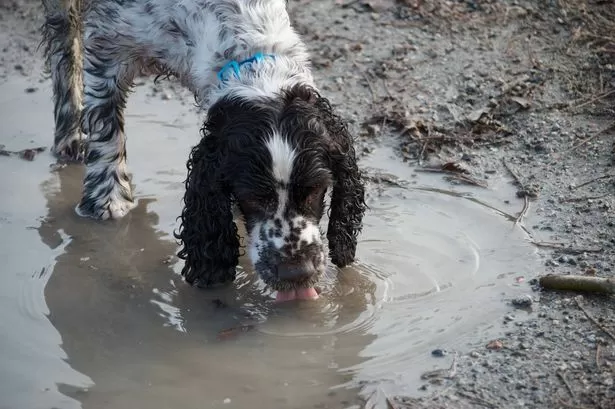
In addition to vaccination, there are other preventive measures that dog owners can take to reduce the risk of their dogs getting infected with leptospirosis. These include avoiding areas with standing water, keeping your dog away from wild animals, and ensuring that they do not drink from puddles or streams. If your dog has access to a pool or pond, make sure to regularly change the water and keep it clean. It is also crucial to practice good hygiene and wash your hands after handling your dog or their waste.
If you suspect that your dog may have come into contact with contaminated water or soil, it is essential to take them to the veterinarian immediately. Your veterinarian may recommend a blood test to check for the presence of the bacteria, and if diagnosed early, treatment can begin promptly. Treatment for leptospirosis typically involves antibiotics and supportive care to manage the symptoms and prevent complications.
In conclusion, leptospirosis is a serious disease that can be fatal to dogs within just two days of showing symptoms. As dog owners, it is our responsibility to be aware of this disease and take necessary precautions to protect our furry companions. Vaccination, good hygiene, and avoiding areas with standing water can significantly reduce the risk of our dogs contracting this deadly disease. Remember, early detection and treatment are crucial in saving your dog’s life. So, if you notice any symptoms, do not hesitate to seek veterinary care. Let’s work together to keep our dogs safe and healthy.