

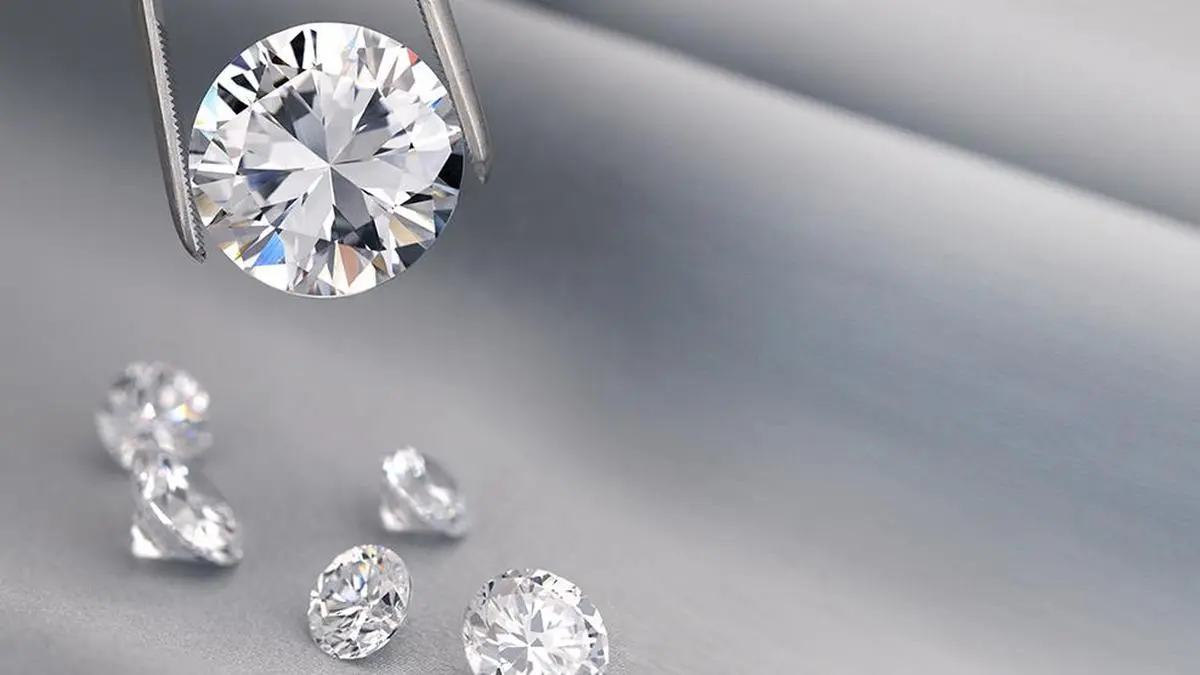
The world of diamonds has always been surrounded by a certain level of exclusivity and sophistication. It is a symbol of luxury, beauty, and eternal love. However, in recent years, there has been a growing demand for clarity and transparency in the diamond industry. This has led to the adoption of a new standard by the International Organization for Standardization (ISO). The ISO has introduced the IS 19469:2025, which states that the word “diamond” applies exclusively to natural diamonds only.
This new standard has been adopted by the Bureau of Standards in order to meet the changing demands of the consumers and to ensure ethical and responsible practices within the diamond industry. The bureau has recognized the need for a universally accepted definition of a diamond in order to protect consumers from being misled by the use of the term “diamond” for other types of stones.
The IS 19469:2025 standard defines a natural diamond as “a mineral consisting essentially of pure carbon crystallized in the isometric system.” This means that only diamonds that are formed naturally in the Earth’s mantle are considered to be true diamonds. The bureau has also specified that this standard applies to both rough and polished diamonds, regardless of their size, shape, or color.
This new standard has been welcomed by the diamond industry and has received positive feedback from consumers as well. It brings much-needed clarity and sets a benchmark for the industry to follow. In the past, there have been instances where synthetic diamonds or lab-grown diamonds were marketed and sold as “real” diamonds. This not only deceives consumers but also undermines the value and rarity of natural diamonds.
By adopting the IS 19469:2025 standard, the bureau has taken a significant step towards preserving the integrity of the diamond industry. It ensures that consumers can be confident in their purchase, knowing that the diamond they are buying is indeed a natural, rare, and precious stone. This standard also aims to promote fair competition within the industry and encourages responsible sourcing of diamonds.
The bureau has also acknowledged that the use of the term “diamond” for synthetic or lab-grown diamonds can be misleading and deceptive. These diamonds may have similar physical and chemical properties to natural diamonds, but they are produced in a laboratory setting rather than being formed naturally. Therefore, it is essential to differentiate between the two in order to protect the interests of consumers and the reputation of the diamond industry.
The adoption of the IS 19469:2025 standard is a huge step forward towards building consumer trust and promoting ethical practices in the diamond industry. It also aligns with the United Nations Sustainable Development Goals, which aim to ensure responsible production and consumption practices.
This standard is not only beneficial for the diamond industry, but it also has a positive impact on the environment. The mining of natural diamonds can have adverse effects on the environment, such as land degradation and water pollution. By promoting the use of natural diamonds only, the bureau is contributing towards sustainable mining practices and reducing the environmental footprint of the industry.
In conclusion, the Bureau of Standards has made a commendable decision by adopting the IS 19469:2025 standard, which defines the word “diamond” exclusively for natural diamonds only. This will not only bring clarity and transparency to the diamond industry but also foster ethical practices and promote sustainable development. It is a positive step towards creating a more responsible and trustworthy diamond market that benefits both consumers and the environment.