

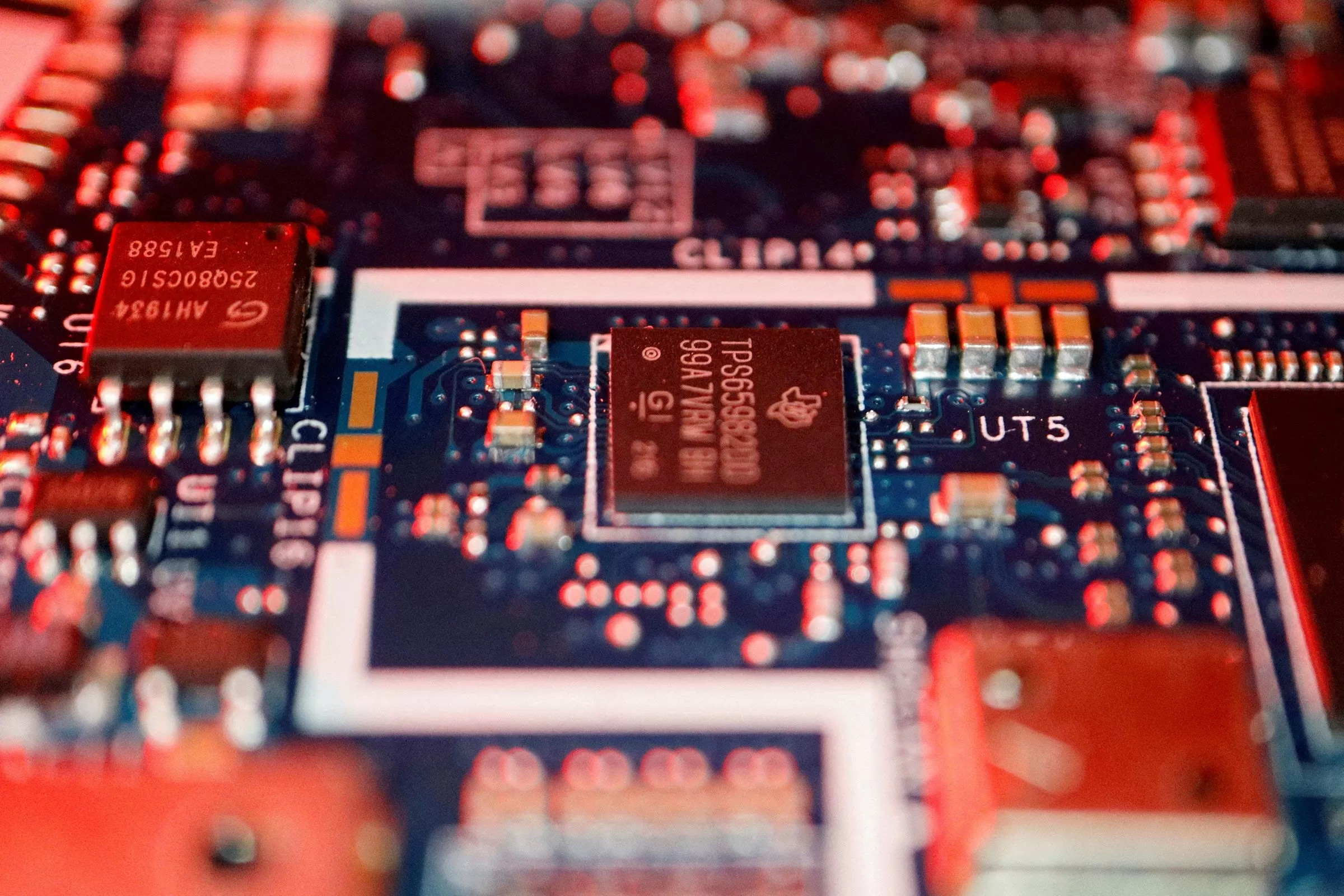
President Donald Trump has once again taken a bold step towards strengthening the United States’ position in the global technology market. On Wednesday, the White House announced a new 25% tariff on “certain advanced computing chips”, including Nvidia’s H200 and AMD’s MI325X. This move is a clear indication of the President’s commitment to boost domestic production and reduce reliance on foreign imports.
The decision to impose tariffs on these specific chips is a strategic one. These chips are critical components in advanced computing technology and are used in a wide range of products, from smartphones to self-driving cars. By implementing tariffs on these chips, the US is sending a strong message to the world that it is serious about protecting its technological prowess.
But what exactly does this mean for the US technology industry? First and foremost, it will encourage companies like Nvidia and AMD to increase their production capabilities within the US. This will not only create more jobs for Americans but also reduce the country’s dependence on foreign suppliers. In the long run, this will lead to a stronger and more self-sufficient technology sector in the US.
Furthermore, the new tariffs will also help level the playing field for domestic chip manufacturers. In recent years, China has heavily subsidized its own chip industry, making it difficult for US companies to compete. By imposing tariffs, the US is taking a stand against unfair trade practices and protecting its own businesses.
It’s worth noting that the new tariffs are not a blanket measure and some exceptions have been made. Chips imported for the purpose of supporting the US’s technological supply chain will be exempt. This means that companies importing chips for research and development purposes will not be affected by the tariffs. This exemption shows that the US is not trying to isolate itself from the global market, but rather, it is seeking to strengthen its own capabilities.
The decision to impose tariffs on these advanced computing chips has not been without controversy. Some critics argue that it will lead to higher prices for consumers and hurt US companies that rely on these chips for their products. However, the White House has clarified that the tariffs are targeted and will not have a significant impact on the prices of end-products. In fact, the administration believes that this move will ultimately benefit the US economy by creating a more competitive and innovative environment for domestic companies.
This is not the first time President Trump has used tariffs to protect American industries. In the past, he has imposed tariffs on steel and aluminum to boost domestic production and create jobs. And these measures have been successful. The steel industry, for example, has seen a resurgence in the US, with new mills opening and jobs being created.
In the same way, the new tariffs on advanced computing chips will encourage domestic production and create a level playing field for US companies. This will not only benefit the technology industry but also have a positive ripple effect on the overall economy.
In conclusion, President Trump’s decision to impose tariffs on certain advanced computing chips is a strategic move to strengthen the US’s position in the global technology market. It will encourage domestic production, level the playing field for US companies, and ultimately benefit the economy. This bold step once again demonstrates the President’s commitment to putting America first and securing a brighter future for the country.