

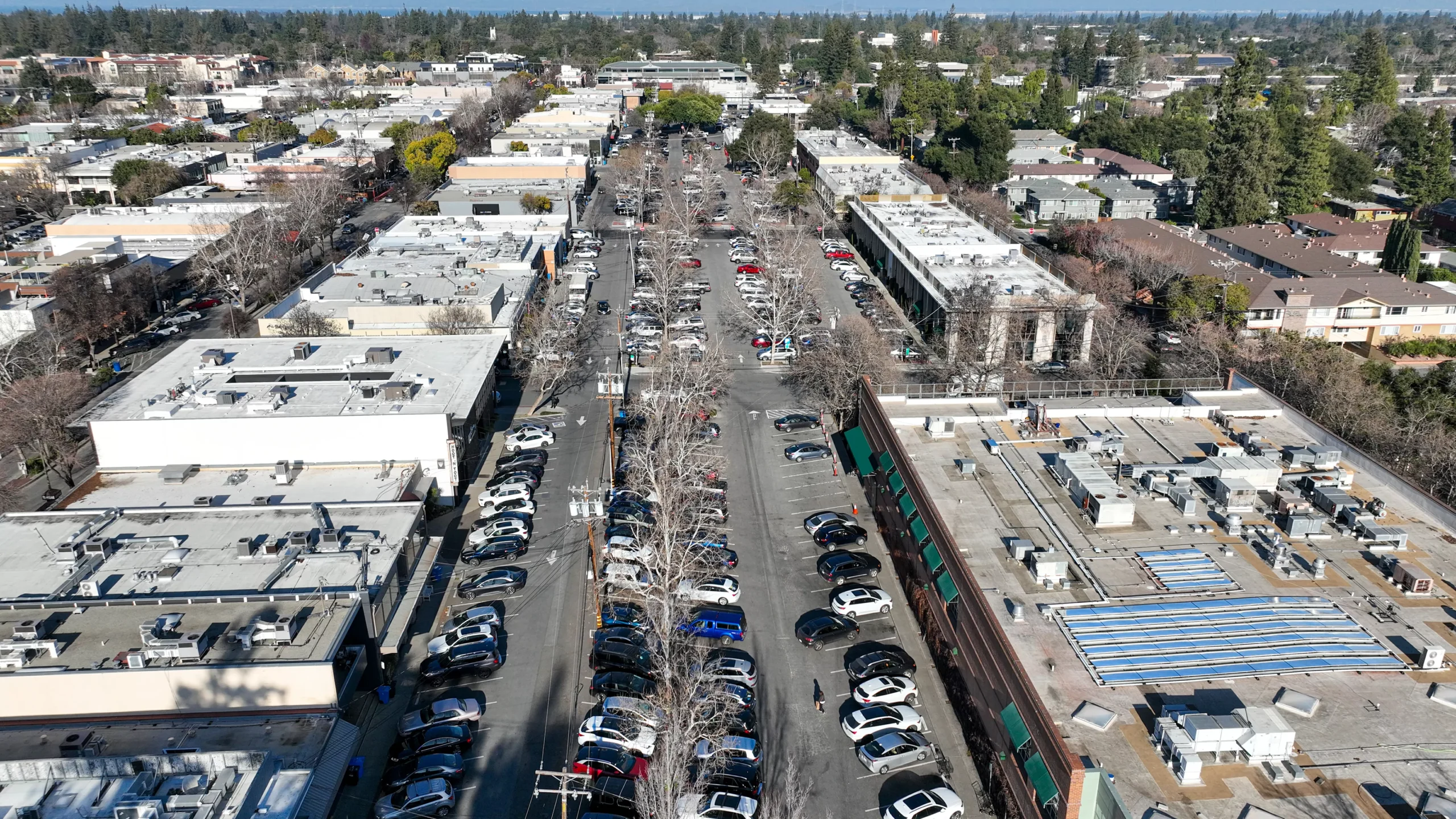
Menlo Park, a small city in the heart of Silicon Valley, is known for its beautiful neighborhoods, vibrant community, and thriving tech industry. But with the ever-growing demand for housing in the Bay Area, the city is facing a new challenge – the need to plan for nearly 3,000 new homes by 2031.
This may seem like a daunting task for a city with a population of just over 34,000, but Menlo Park is rising up to the challenge with a positive and proactive approach. The city council has recently approved a new housing plan that aims to address the housing shortage while also preserving the unique character of the city.
The plan, known as the Housing Element Update, is a comprehensive strategy that outlines how Menlo Park will accommodate the projected growth in population and housing demand over the next decade. It includes a mix of affordable and market-rate housing, as well as strategies to promote sustainable and inclusive development.
One of the key goals of the plan is to provide housing options for people of all income levels. This is a pressing issue in the Bay Area, where skyrocketing housing prices have made it difficult for many to find affordable homes. Menlo Park’s plan includes provisions for affordable housing units, as well as incentives for developers to include affordable units in their projects.
In addition to addressing the need for affordable housing, the plan also focuses on creating a diverse and inclusive community. This means not only providing housing for people of different income levels, but also for people of different backgrounds and lifestyles. The plan encourages the development of different types of housing, such as multi-family units, co-housing, and accessory dwelling units, to cater to the diverse needs of the community.
The city is also taking steps to ensure that the new housing developments are sustainable and environmentally friendly. This includes promoting green building practices, encouraging the use of renewable energy sources, and incorporating green spaces and public transportation options into the developments. By doing so, Menlo Park is not only addressing the housing shortage, but also working towards a more sustainable future.
Furthermore, the plan also takes into consideration the impact of the new housing developments on the existing infrastructure and services. The city is working closely with the school district to ensure that there will be enough capacity to accommodate the new residents, and with the transportation agencies to improve the transportation network in the city.
The Housing Element Update is a result of extensive community engagement and input. The city held numerous public meetings and workshops to gather feedback and ideas from residents, community organizations, and stakeholders. This collaborative approach has allowed the city to develop a plan that reflects the needs and aspirations of the community.
The approval of the Housing Element Update is a significant milestone for Menlo Park. It not only demonstrates the city’s commitment to addressing the housing crisis, but also its ability to plan for the future in a responsible and inclusive manner. The plan is a testament to the city’s strong leadership and vision, and it sets an example for other cities in the Bay Area to follow.
Of course, there may be concerns and challenges that come with such a large-scale housing plan. Some residents may worry about the impact on traffic and congestion, while others may be concerned about the changing landscape of their neighborhood. However, it is important to remember that the city is taking a proactive approach to address these issues and mitigate any potential negative impacts.
Moreover, the new housing developments will bring numerous benefits to the city. They will not only provide much-needed housing options, but also stimulate economic growth and create job opportunities. The increased population will also support local businesses and services, making Menlo Park an even more vibrant and thriving community.
In conclusion, Menlo Park’s plan to add nearly 3,000 new homes by 2031 is a positive and necessary step towards addressing the housing shortage in the Bay Area. The city’s comprehensive and inclusive approach to planning for the future is commendable and sets an example for others to follow. With this plan in place, Menlo Park is well on its way to becoming a more sustainable, diverse, and livable city for all its residents.