

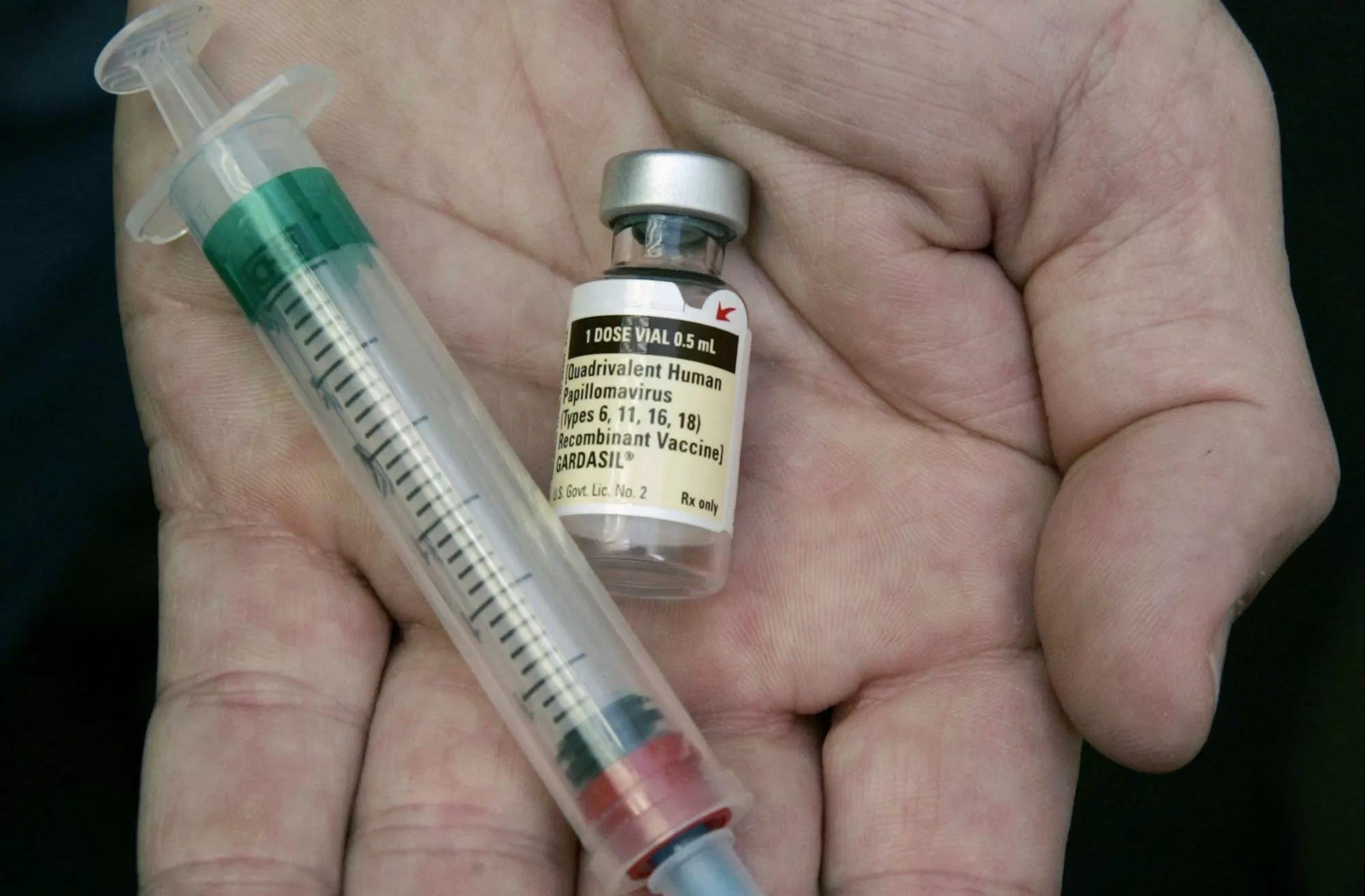
Human papillomavirus (HPV) is one of the most common sexually transmitted infections in the world. It is estimated that nearly 80 million people in the United States are currently infected with HPV, and about 14 million new cases are reported each year. HPV is known to cause various types of cancers, including cervical, vaginal, and anal cancer, as well as genital warts. However, there is good news for those who are at risk of contracting this virus. A recent study has shown that a single HPV shot can provide about 97% protection, which is similar to the protection offered by two doses.
The study, published in the Journal of the National Cancer Institute, analyzed data from over 1.6 million women aged 15 to 19 years who received the HPV vaccine between 2006 and 2017. The researchers found that a single dose of the HPV vaccine was 97% effective in preventing cervical cancer, which is the most common type of cancer caused by HPV. This is comparable to the 97.5% effectiveness of two doses of the vaccine.
This finding is significant because it suggests that a single dose of the HPV vaccine may be just as effective as the recommended two doses. This could potentially reduce the cost and inconvenience of receiving the vaccine, as well as increase the number of people who are protected against HPV. Currently, the Centers for Disease Control and Prevention (CDC) recommends that children receive two doses of the HPV vaccine at ages 11 or 12, with a six-month interval between doses. However, the study’s findings may lead to a change in this recommendation.
The HPV vaccine is a safe and effective way to protect against HPV and the cancers it can cause. It works by helping the body develop immunity to the virus, which prevents infection and the development of related diseases. The vaccine is most effective when given before a person becomes sexually active, as it is primarily transmitted through sexual contact. However, it can still be beneficial for those who are already sexually active, as they may not have been exposed to all the types of HPV covered by the vaccine.
The study’s findings are particularly important for countries with limited resources, where it may be challenging to administer two doses of the HPV vaccine to every child. A single dose could provide significant protection and potentially save lives. Additionally, this could also benefit individuals who may have missed their second dose or were unable to complete the full course of the vaccine.
It is also worth noting that the study found that the protection offered by a single dose of the HPV vaccine lasted for at least six years. This is a promising finding, as it suggests that the vaccine’s effectiveness may last longer than previously thought. However, more research is needed to determine the long-term effectiveness of a single dose of the HPV vaccine.
The study’s results have been met with enthusiasm by health experts and organizations. Dr. Julia Brotherton, medical director of Australia’s National HPV Vaccination Program Register, stated, “This is a game-changer for cervical cancer prevention.” The American Cancer Society also released a statement saying that the study’s findings “provide strong evidence that a single dose of HPV vaccine is effective in preventing cervical cancer.”
In conclusion, the study’s findings have shown that a single HPV shot can provide about 97% protection, similar to two doses. This is a significant development in the fight against HPV and the cancers it causes. It could potentially lead to changes in the recommended dosing schedule and make the vaccine more accessible to those who need it. The HPV vaccine is a safe and effective way to protect against HPV and its related diseases, and this study further reinforces its importance. It is crucial for individuals to get vaccinated and for governments to continue promoting and supporting HPV vaccination programs. Let us take this opportunity to protect ourselves and our loved ones from the dangers of HPV.