
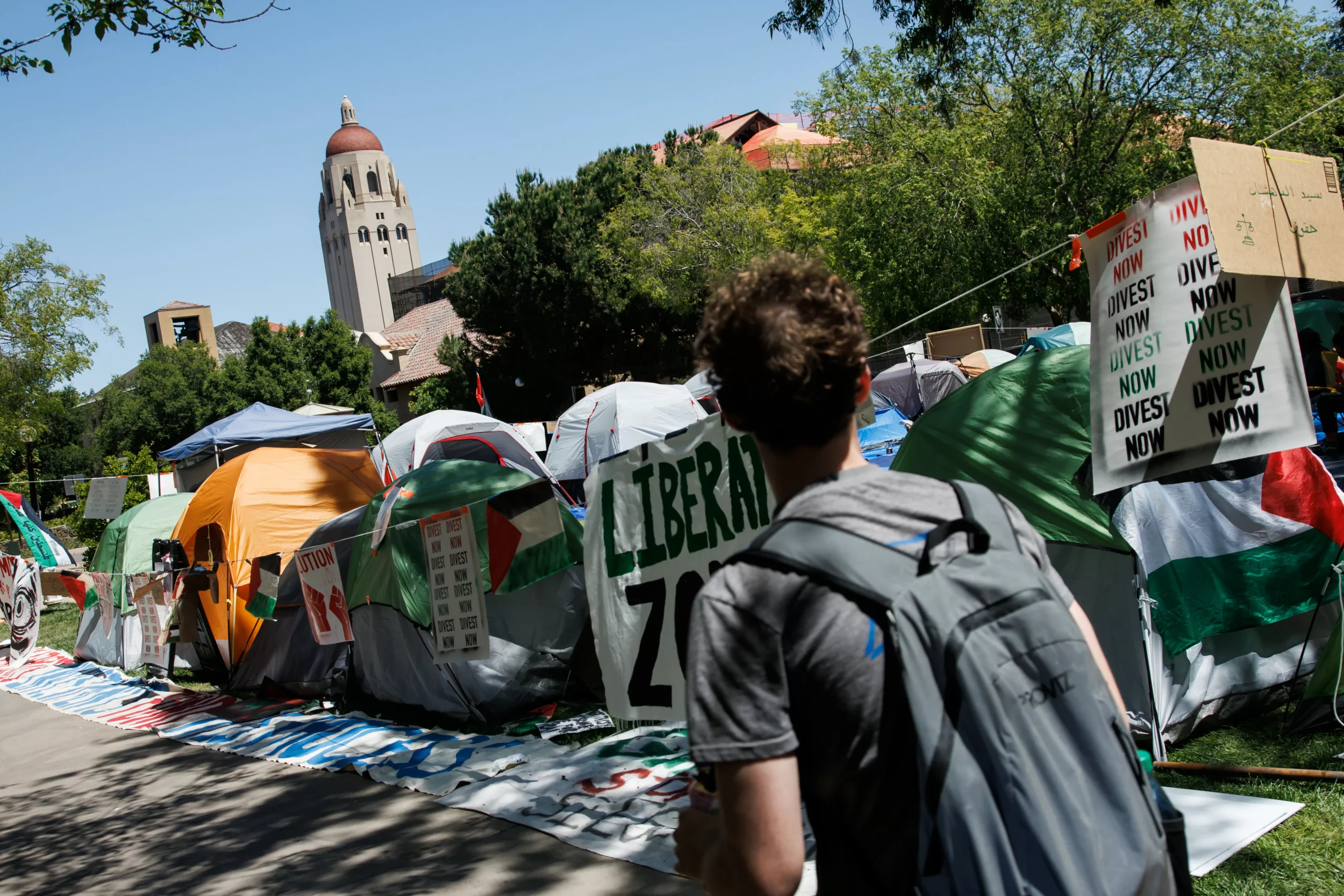
Student newspapers across the world play a crucial role in providing a platform for students to voice their opinions and concerns. They serve as a medium for students to freely express their thoughts on various issues, ranging from campus events to national and global affairs. However, recent events have raised concerns over the freedom of speech and expression in the academic world.
In an alarming trend, some students have had their visas revoked or denied due to their criticism of the Israeli government’s policies. This has sparked a debate on whether these actions violate the fundamental right to free speech and expression.
The issue came to light when a student newspaper published an article condemning the Israeli government’s actions in Palestine. The article, written by a student of Palestinian descent, called for a boycott of Israeli products and services in protest against the ongoing human rights violations in the region.
The article received a lot of attention and sparked a heated discussion on campus. However, soon after its publication, the student writer received a notification stating that their visa was being revoked due to their criticism of the Israeli government.
This incident has raised concerns among the student community, questioning the limitations on free speech and expression. The student newspaper has issued a statement condemning the visa cancellations, stating that it goes against the principles of a democratic society.
Freedom of speech and expression is a fundamental right that allows individuals to freely express their thoughts and opinions. It is a cornerstone of any democratic society and is vital for the growth and progress of a nation. As students, we are encouraged to be critical thinkers and engage in discussions and debates to learn and grow. However, when our voices are silenced or censored, it hinders our ability to think and express ourselves freely.
The revocation of visas due to criticism of the Israeli government’s policies is not an isolated incident. There have been several cases reported, where students and academics have faced similar consequences for speaking out against the Israeli government. This raises questions about the extent of academic freedom and the influence of external entities in silencing voices.
These actions not only go against the principles of free speech but also have a chilling effect on the academic environment. Students may feel hesitant to express their viewpoints, fearing consequences such as visa cancellations. This restricts the diversity of opinions and hinders healthy debates and discussions on important issues.
Furthermore, it also raises concerns about the protection of academic freedom and the role of educational institutions in safeguarding the rights of students. Universities and colleges should be spaces where students feel encouraged to express themselves and engage in critical thinking. The revocation of visas over criticism of the Israeli government sets a dangerous precedent, and it is the responsibility of educational institutions to protect the rights of their students.
It is essential to differentiate between criticism of a government’s policies and hate speech. In this case, the student newspaper’s article was a peaceful call for a boycott, which is a valid form of protest under the principles of free speech. The revocation of visas does not only limit the students’ freedom of expression but also their right to peaceful protest.
The student newspaper’s article has also received support from various student organizations and activists who stand in solidarity with the affected student. They have condemned the visa cancellations and called for an end to the violation of free speech rights.
In conclusion, the visa cancellations over criticism of the Israeli government’s policies are a violation of the fundamental right to free speech and expression. Educational institutions must protect the academic freedom of their students and encourage healthy debates and discussions on campus. It is crucial to uphold the principles of free speech in a democratic society, and any attempts to silence voices should be condemned. Let us strive for an inclusive and diverse academic environment where all opinions are respected and valued.