

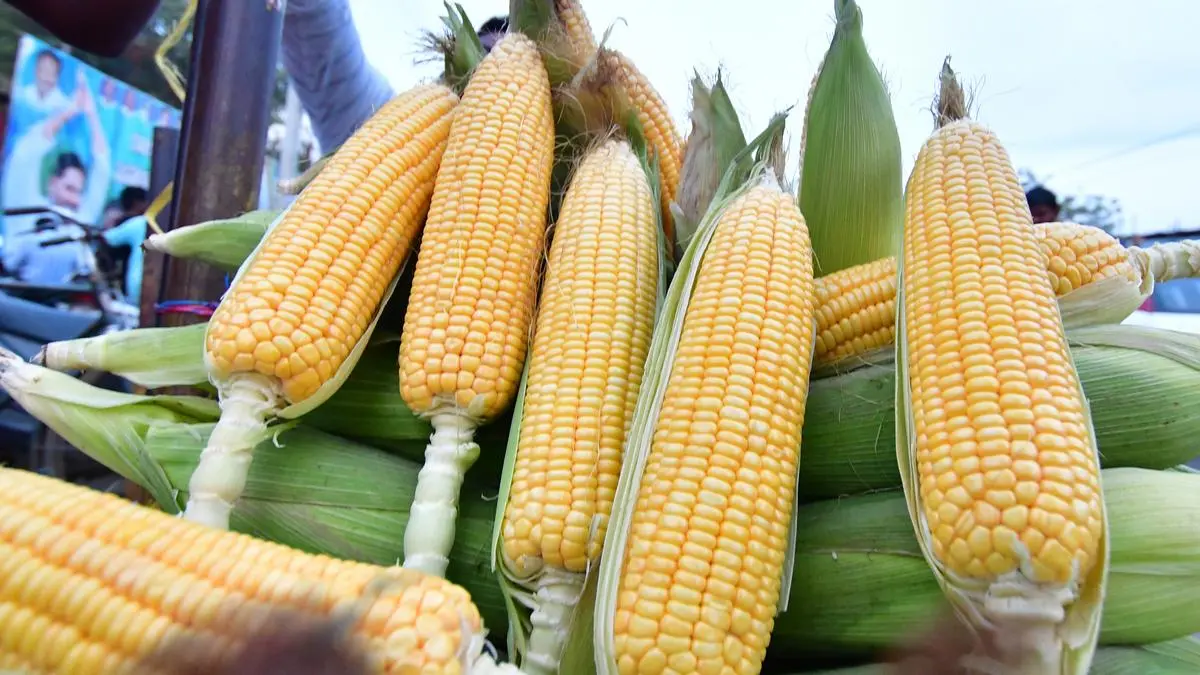
The Indian Council of Agricultural Research (ICAR) has been at the center of a heated debate between its horticulture and crops divisions over the research and promotion of baby corn and sweet corn. The controversy has sparked discussions among experts and farmers alike, with both sides presenting compelling arguments. While the horticulture division believes that the cultivation of these crops can bring significant economic benefits, the crops division argues that it may have adverse effects on the environment and traditional farming practices.
The horticulture division of ICAR has been actively promoting the cultivation of baby corn and sweet corn as a means to diversify and increase farmers’ income. They argue that these crops have a high demand in the market and can fetch a good price, especially in the export market. Moreover, they claim that the cultivation of these crops requires less water and can be grown in a shorter period, making it a profitable option for farmers.
On the other hand, the crops division of ICAR has raised concerns about the impact of these crops on the environment and traditional farming practices. They argue that the cultivation of baby corn and sweet corn requires intensive use of chemical fertilizers and pesticides, which can have harmful effects on the soil and water bodies. They also believe that the promotion of these crops may lead to the neglect of other important crops, leading to a decrease in biodiversity.
The debate between the two divisions has intensified in recent years, with the horticulture division pushing for more research and promotion of these crops, while the crops division has been advocating for a cautious approach. This has led to a divide within ICAR, with some experts supporting the horticulture division’s stance, while others side with the crops division.
The controversy has also caught the attention of farmers, who are the ones directly affected by the decisions made by ICAR. While some farmers have welcomed the idea of cultivating baby corn and sweet corn, others are hesitant to switch from their traditional crops. They fear that the cultivation of these crops may not be as profitable as claimed and may require more resources and labor.
In light of the ongoing debate, ICAR has formed a committee to study the feasibility and impact of promoting baby corn and sweet corn cultivation. The committee comprises experts from both the horticulture and crops divisions, as well as representatives from the farming community. The committee is expected to present its findings and recommendations in the coming months.
Meanwhile, the controversy has also sparked discussions among experts and farmers on the need for sustainable and eco-friendly farming practices. Many believe that instead of promoting the cultivation of a few high-value crops, ICAR should focus on promoting a diverse range of crops that are suitable for different regions and can provide a steady income for farmers.
It is essential to note that both baby corn and sweet corn have their benefits and drawbacks. While they may bring economic benefits, their cultivation should be done with caution, taking into consideration the environmental and social impact. ICAR must strike a balance between promoting these crops and ensuring the sustainability of traditional farming practices.
In conclusion, the controversy in ICAR over baby corn and sweet corn research has brought to light the need for a comprehensive and sustainable approach to agriculture. While the horticulture division’s efforts to diversify and increase farmers’ income are commendable, it is crucial to consider the potential impact on the environment and traditional farming practices. The ongoing debate and discussions among experts and farmers are a positive step towards finding a solution that benefits all stakeholders. It is hoped that ICAR will make a well-informed decision that will pave the way for a more sustainable and prosperous future for Indian agriculture.